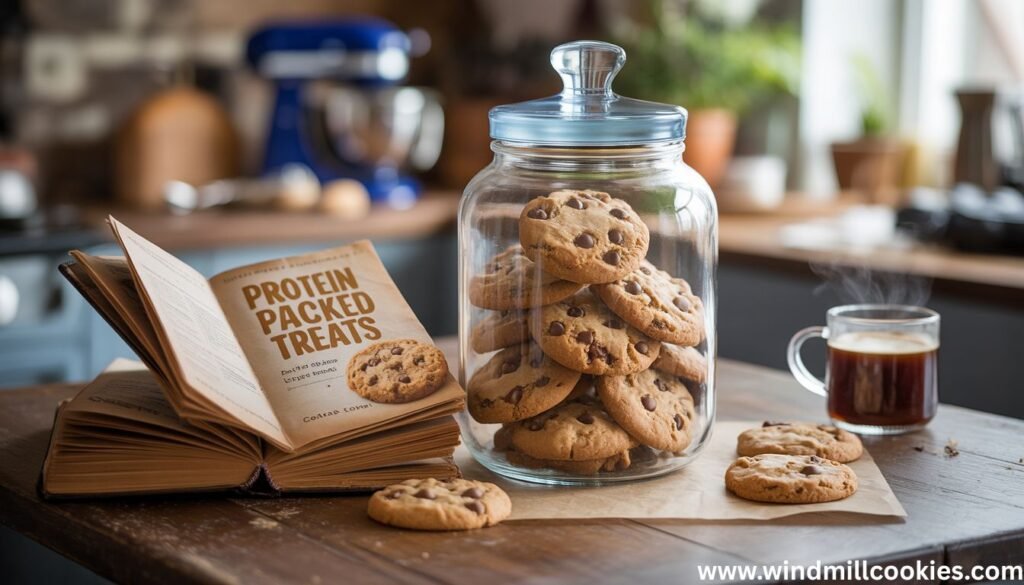

I still remember the first time I tried to turn a classic chocolate chip cookie into something more “nutritious.” The result was edible, but barely. Dry, chalky, and nowhere near the comforting cookies I grew up baking on weekends.
Over the years, though, I learned how to balance protein-rich ingredients with real flavor and proper technique. This protein chocolate chip cookies recipe is the result of that journey.
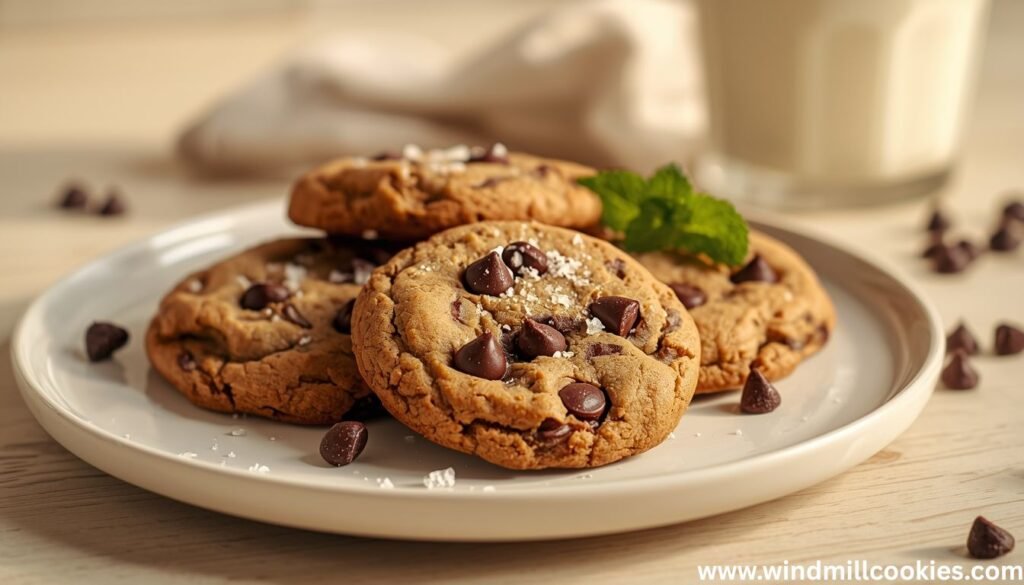
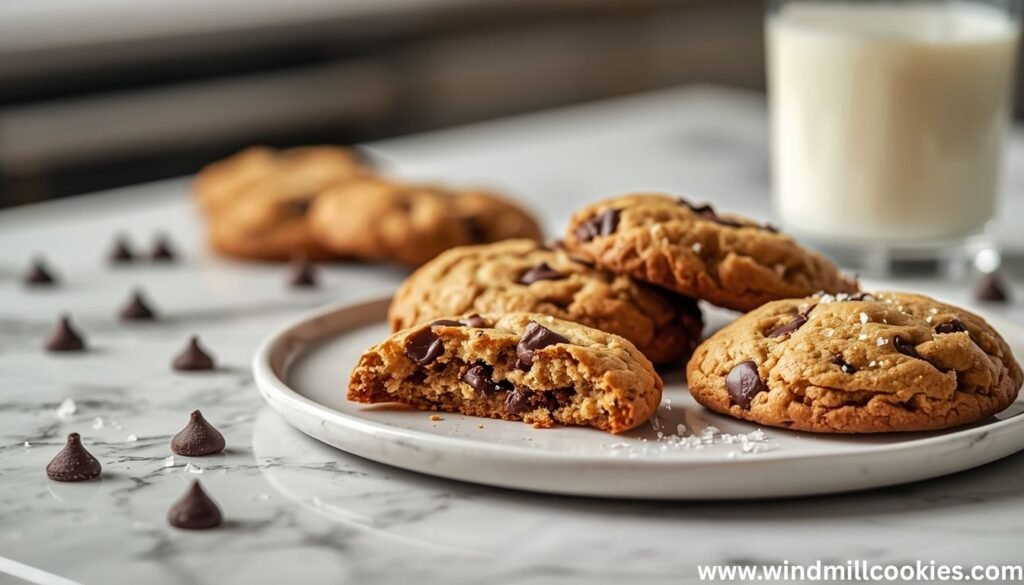
It’s a cookie that actually tastes like a cookie, with soft centers, crisp edges, and pools of melted chocolate while still delivering a meaningful protein boost.
Whether you’re trying to fuel workouts, balance blood sugar, or want a smarter sweet treat, this recipe proves you don’t have to sacrifice texture or taste.
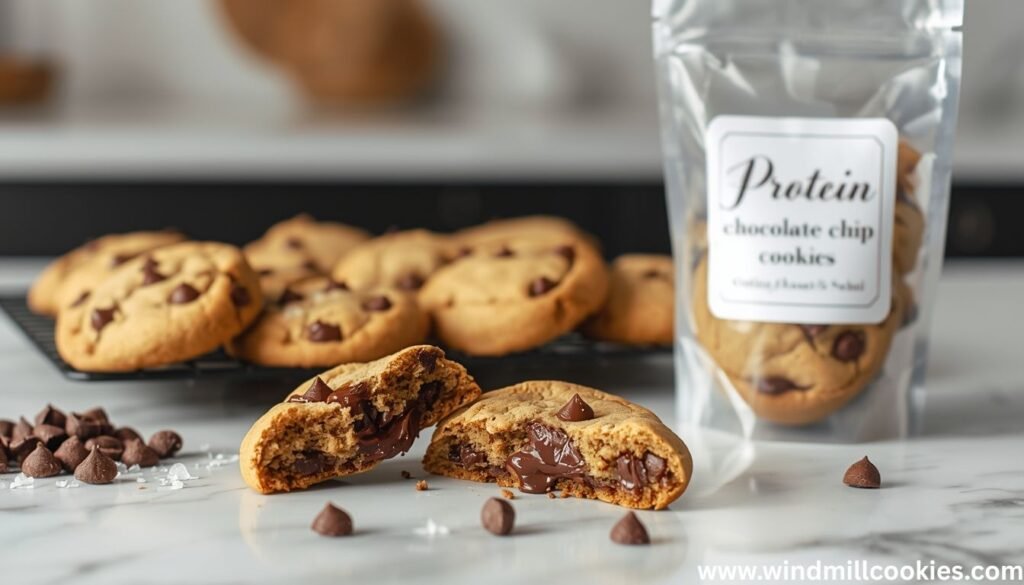
What Is a Protein Chocolate Chip Cookies Recipe?
A protein chocolate chip cookies recipe is a higher-protein version of the classic cookie, made by incorporating protein-rich ingredients such as protein powder, nut butter, Greek yogurt, or eggs.
The goal is to increase protein content while maintaining the familiar cookie experience. Unlike traditional chocolate chip cookies that rely heavily on refined flour and sugar, protein cookies focus on a better macronutrient balance.
They often contain less sugar, more fiber, and significantly more protein per serving. What sets this recipe apart is balance. Many high-protein cookie recipes turn dense or rubbery once baked.
This version stays soft and chewy, with a structure that mimics bakery-style cookies, no protein aftertaste, no dryness, and no complicated techniques.
Why You’ll Love This Recipe
- Soft, chewy centers with lightly crisp edges
- Naturally higher in protein without tasting “healthy.”
- Easy one-bowl recipe with simple pantry ingredients
- Customizable for gluten-free, dairy-free, or refined sugar–free diets
- Perfect as a post-workout snack, dessert, or meal-prep treat

Ingredients Overview
Below is everything you need to make the best protein chocolate chip cookies at home, plus why each ingredient matters.
- Almond flour – 1½ cups (150 g): Adds moisture, tenderness, and a naturally gluten-free base.
- Vanilla protein powder – ½ cup (60 g): Boosts protein content and structure. Whey or plant-based both work.
- Baking soda – ½ teaspoon: Helps the cookies rise and spread properly.
- Fine sea salt – ¼ teaspoon: Balances sweetness and enhances chocolate flavor.
- Unsalted butter, melted – ¼ cup (56 g): Provides richness and classic cookie flavor. Coconut oil can be substituted.
- Natural peanut butter – ⅓ cup (80 g): Adds protein, healthy fats, and chewiness.
- Brown sugar or coconut sugar – ⅓ cup (65 g): Creates moisture and a soft texture.
- Large egg – 1: Binds the dough and adds protein.
- Pure vanilla extract – 1 teaspoon: Rounds out the flavor.
- Dark chocolate chips – ½ cup (85 g): Use dairy-free if needed.
Substitution Notes
- Dairy-free protein cookies: Use coconut oil and dairy-free chocolate.
- Vegan protein cookies: Use a flax egg and plant-based protein powder.
- low-carb protein cookies: Reduce sugar and use sugar-free chocolate chips.
Step-by-Step Instructions
Preheat and Prepare
Start by preheating your oven to 350°F (175°C). This temperature is crucial for achieving soft centers and lightly crisp edges, especially when baking protein-based dough.
While the oven heats, line a large baking sheet with parchment paper or a silicone baking mat to prevent sticking and ensure even browning.
Measure all ingredients in advance for a smooth workflow. You’ll need 1½ cups (150 g) almond flour, ½ cup (60 g) protein powder, ¼ cup (56 g) melted butter, and ⅓ cup (80 g) peanut butter ready at room temperature.
Accurate measuring improves texture, consistency, and bake performance. This simple preparation step sets the foundation for bakery-quality protein chocolate chip cookies every time.
Mix Dry Ingredients
In a medium mixing bowl, combine 1½ cups (150 g) almond flour, ½ cup (60 g) vanilla protein powder, ½ teaspoon baking soda, and ¼ teaspoon fine sea salt.
Whisk thoroughly until the mixture looks light, uniform, and free of any clumps. This step is essential for an even rise, a balanced structure, and a smooth cookie crumb.
Properly blended dry ingredients prevent pockets of protein powder, which can cause dryness or uneven baking. Take a moment to break up any lumps with your whisk or fingertips.
A well-mixed dry base ensures consistent texture, better moisture retention, and bakery-style protein chocolate chip cookies with reliable results in every batch.
Combine Wet Ingredients
In a large mixing bowl, add ¼ cup (56 g) melted unsalted butter, ⅓ cup (80 g) natural peanut butter, and ⅓ cup (65 g) brown sugar or coconut sugar. Whisk until the mixture becomes smooth, glossy, and well blended.
This creates a rich flavor base and chewy cookie texture. Next, whisk in 1 large egg and 1 teaspoon pure vanilla extract.
Mix until fully incorporated and slightly thickened. Properly combining the wet ingredients ensures even sweetness, balanced moisture, and consistent structure throughout the dough.
A smooth wet mixture helps the protein chocolate chip cookies bake evenly with soft centers and no gritty texture.
Make the Dough
Slowly add the prepared dry mixture to the wet ingredients. Use a spatula to fold gently until a thick, cohesive dough forms. Avoid overmixing, as protein-rich dough can become dense if worked too much.
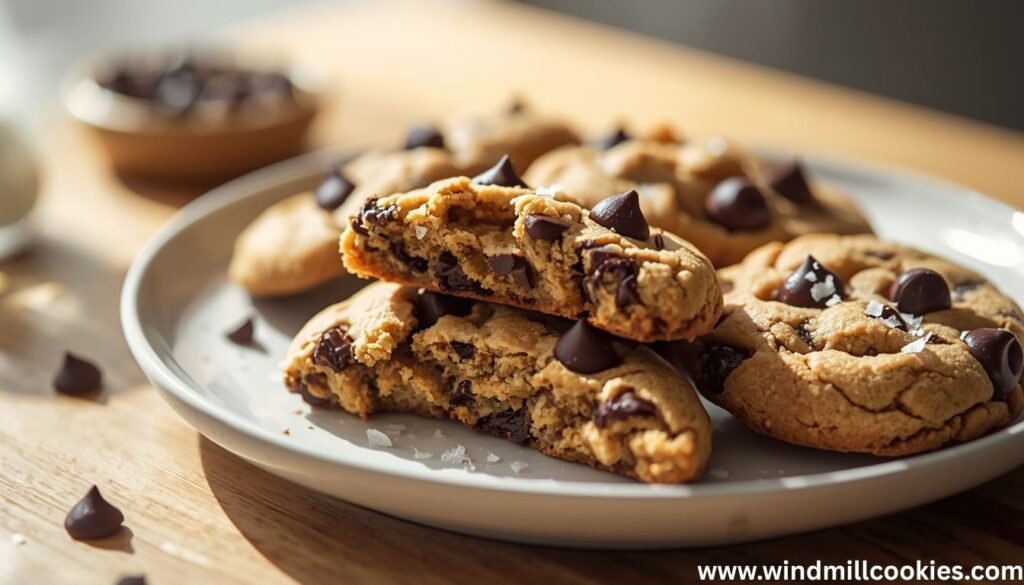
At this stage, the texture should feel soft, slightly sticky, and easy to scoop. Once combined, fold in ½ cup (85 g) dark chocolate chips, distributing them evenly for consistent chocolate in every bite.
If the dough feels too dry, let it rest for 5 minutes to allow the almond flour and protein powder to absorb moisture. This step is key for soft texture, proper spread, and bakery-style protein chocolate chip cookies with reliable results.

Shape the Cookies
Using a cookie scoop or tablespoon, portion 1½ tablespoons of dough per cookie for even baking and consistent size. Roll each portion gently between your palms, then place on the prepared baking sheet, leaving about 2 inches of space between cookies for proper spread.
Lightly press the tops to slightly flatten the dough. Protein cookie dough does not spread as much as traditional dough, so this step helps create even thickness and soft centers.
If desired, press a few extra dark chocolate chips (from the ½ cup total) onto the tops for a bakery-style finish. Proper shaping ensures uniform texture, visual appeal, and perfectly baked protein chocolate chip cookies every time.
Bake
Place the baking sheet on the center rack of your preheated oven at 350°F (175°C). Bake the cookies for 10 to 12 minutes, watching closely during the final minutes.
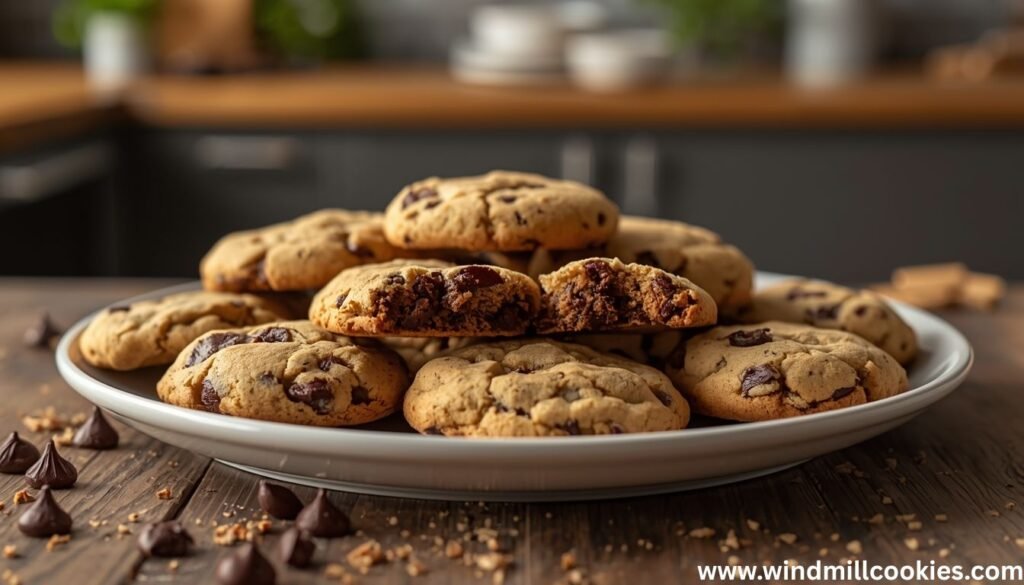
The edges should look set and lightly golden, while the centers remain soft and slightly underbaked. This timing is essential for chewy texture and moist protein cookies.
Avoid overbaking, as protein-based dough continues to firm up after leaving the oven. If you used ½ cup (85 g) dark chocolate chips, they should appear melted and glossy on top.
Proper baking time ensures balanced structure, rich flavor, and bakery-quality protein chocolate chip cookies with tender centers.
Cool
Remove the baking sheet from the oven and let the cookies rest on the pan for 10 minutes. This cooling stage is crucial, as protein cookies are delicate when hot and need time to set properly.
During this time, the melted ½ cup (85 g) dark chocolate chips will settle, creating a rich, glossy finish and locking in moisture.
After resting, transfer the cookies carefully to a wire rack to cool completely. This step prevents soggy bottoms and helps maintain soft centers with lightly crisp edges.
Allowing the cookies to cool fully enhances flavor, texture, and structure, resulting in perfectly set protein chocolate chip cookies every time.
Expert Tips for Best Results
Use ½ cup (60 g) high-quality protein powder with a neutral or vanilla flavor to avoid an overpowering aftertaste. Whey protein creates softer cookies, while plant-based protein produces a thicker bite.
Measure accurately for consistent results. Do not overbake. Pull cookies at 10–12 minutes when centers look slightly soft.
They will continue to set while cooling. For extra moisture, ensure ¼ cup (56 g) of melted butter and ⅓ cup (80 g) of peanut butter are fully blended.
Let the dough rest for 5 minutes before baking to improve texture. These steps guarantee soft, chewy, bakery-style protein chocolate chip cookies every time.
- Choose the right protein powder: Whey protein gives softer cookies, while plant-based protein creates a slightly thicker texture.
- Do not overbake: Protein cookies continue cooking after removal from the oven. Pull them early.
- Weigh ingredients if possible: Protein powder brands vary in density.
- Rest the dough: Letting the dough sit for 5 minutes improves moisture absorption.
- Avoid overmixing: This prevents tough or gummy cookies.
Variations & Substitutions
For flavor variety, replace ½ cup (85 g) dark chocolate chips with sugar-free chips, white chocolate chips, or chopped nuts. Add ½ teaspoon cinnamon or 1 tablespoon cocoa powder for a deeper flavor without extra sugar.
For dietary needs, swap ¼ cup (56 g) of butter with coconut oil for dairy-free cookies. Use almond butter or sunflower seed butter in place of ⅓ cup (80 g) peanut butter if needed.
To make vegan protein cookies, replace 1 large egg with a flax egg and use plant-based protein powder. These simple swaps keep the cookies soft, chewy, and high-protein without sacrificing texture or taste.
Flavor Variations
- Add ½ teaspoon cinnamon for warmth
- Stir in chopped walnuts or pecans
- Use white chocolate protein chips for a dessert-style cookie
Dietary Adaptations
- Gluten-free protein cookies: Already gluten-free using almond flour
- Dairy-free protein cookies: Use coconut oil and dairy-free chocolate
- Vegan protein cookies: Use flax egg and vegan protein powder
Sweetener Swaps
- Maple syrup (¼ cup) can replace sugar, though cookies will spread more
- Monk fruit sweetener works for low-sugar diets

Storage & Make-Ahead Instructions
Room Temperature: Store cookies in an airtight container for up to 3 days.
Refrigeration: Keep refrigerated for up to 7 days for maximum freshness.
Freezing: Freeze baked cookies for up to 3 months. Thaw at room temperature or warm briefly in the microwave.
Make-Ahead Dough: Cookie dough can be refrigerated for 48 hours or frozen in pre-scooped portions.
Frequently Asked Questions (FAQ)
Are protein chocolate chip cookies healthy?
They are healthier than traditional cookies due to higher protein and better ingredient balance, but still a treat.
Can I use whey protein in baking cookies?
Yes, whey protein works very well in this recipe and creates softer cookies.
Why are my protein cookies dry?
Overbaking or using too much protein powder can cause dryness. Measure carefully.
Can I make protein cookies without peanut butter?
Yes, almond butter or sunflower seed butter works asa substitutes.
How much protein is in each cookie?
Each cookie contains approximately 8–10 grams of protein, depending on the ingredients used.
Can I make these cookies low-carb?
Yes, use almond flour, sugar-free sweetener, and low-carb chocolate chips.
Do protein cookies need refrigeration?
Not required, but refrigeration extends freshness.
Final Thoughts & Serving Suggestions
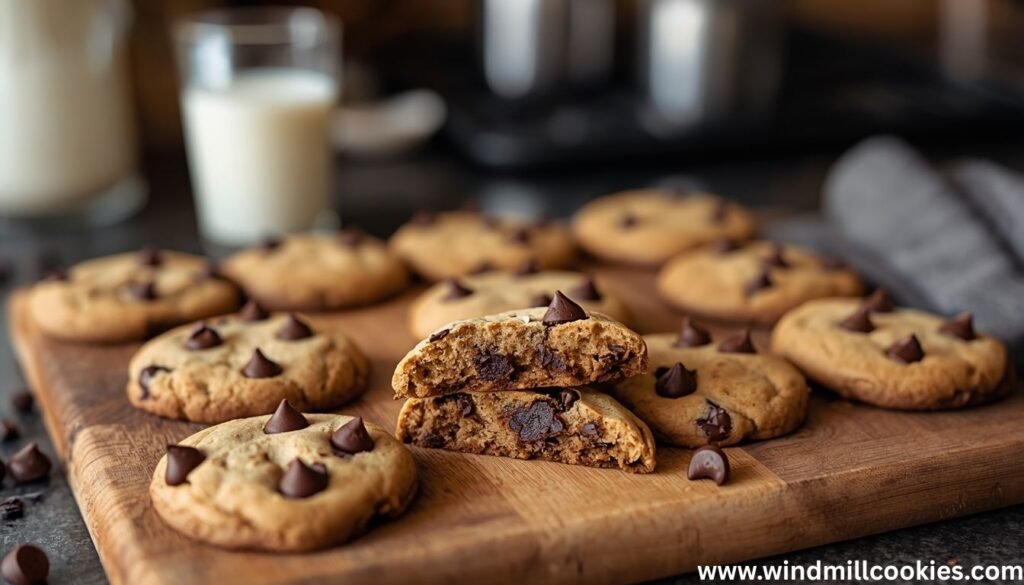
This protein chocolate chip cookies recipe proves that functional baking can still feel indulgent. I love serving these cookies slightly warm with a glass of almond milk or packing them as a post-workout snack.
They’re also perfect for lunchboxes, road trips, or late-night cravings when you want something sweet but balanced.
If you’ve struggled to find a protein cookie that truly satisfies, this recipe is a changer. Bake a batch, customize it to your taste, and enjoy cookies that fuel your body and your cravings at the same time.