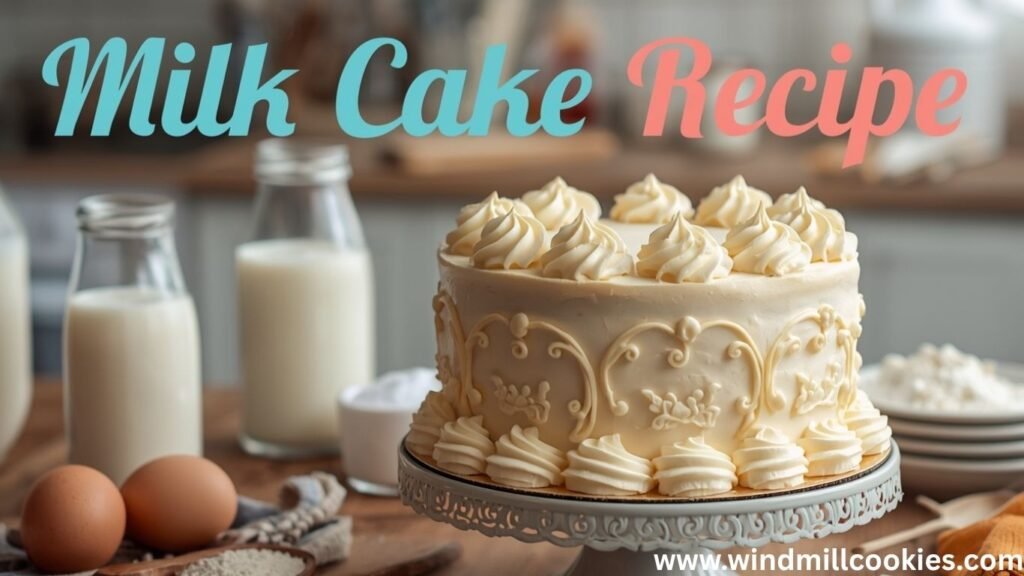

One recipe that has stayed close to my heart is this milk cake recipe. It’s incredibly soft, delicately sweet, and soaked with milky goodness that melts in your mouth.
Growing up, desserts made with milk were always a symbol of comfort and celebration in my home. Whether it was a festive gathering or a simple family dinner, there was always something rich, creamy, and satisfying on the table.
What I love most about this recipe is how simple ingredients come together to create something truly indulgent. Over time, I’ve tested and refined this version to ensure it’s foolproof, beginner-friendly, and delivers bakery-style results every single time.
If you’re looking for an easy milk cake that feels luxurious yet comforting, this recipe will quickly become your favorite.
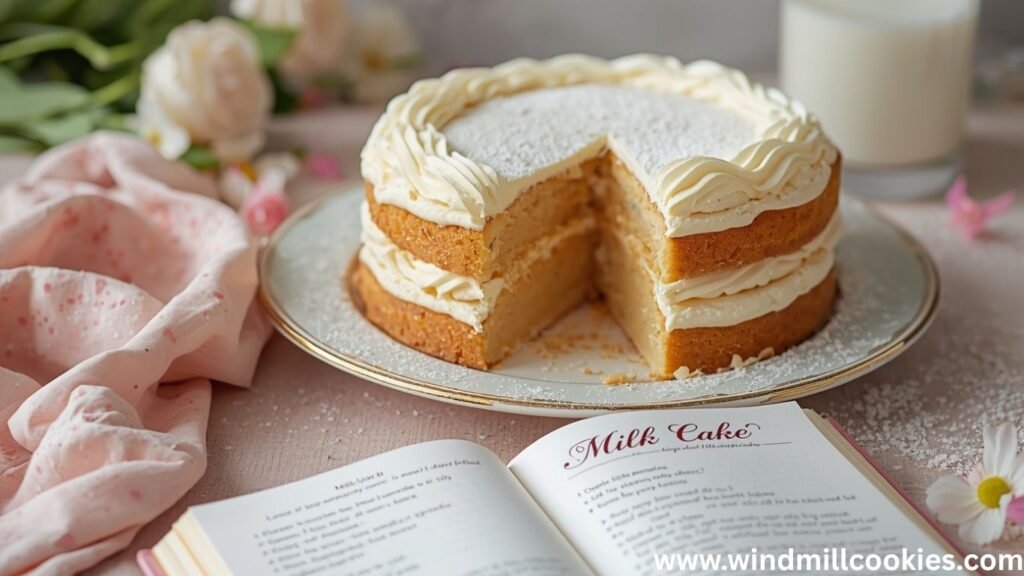
What Is Milk Cake Recipe?
A milk cake is a soft, sponge-like dessert made primarily with flour, sugar, eggs, and milk, then soaked or enriched with a creamy milk mixture. It’s known for its moist texture and rich flavor.
This cake has roots in various cultures. Some versions resemble tres leches cake, while others are closer to traditional South Asian milk-based sweets.
What makes this version unique is its balance; it’s not overly sweet, yet it’s rich enough to feel indulgent.
Unlike regular sponge cakes, this homemade milk cake is soaked after baking, giving it a tender, melt-in-the-mouth texture that stands out from typical dry cakes.
Why You’ll Love This Recipe
- Ultra soft and moist texture that stays fresh for days
- Made with simple pantry ingredients
- Perfect balance of sweetness and creaminess
- Beginner-friendly with easy steps
- Customizable with flavors like vanilla, cardamom, or saffron
- Ideal for celebrations, tea time, or everyday dessert
- Works well as an egg or eggless milk cake variation
Ingredients Overview
Here’s everything you need to make the best milk cake recipe:
Dry Ingredients
- All-purpose flour – 1 cup
Provides structure to the cake - Baking powder – 1 teaspoon
Helps the cake rise evenly - Salt – 1/4 teaspoon
Enhances overall flavor
Wet Ingredients
- Eggs – 3 large
Creates a light and airy texture - Granulated sugar – 3/4 cup
Adds sweetness and moisture - Milk – 1/2 cup
Forms the base flavor - Vegetable oil or melted butter – 1/3 cup
Keeps the cake soft and moist - Vanilla extract – 1 teaspoon
Adds depth of flavor
Milk Soaking Mixture
- Whole milk – 1 cup
- Condensed milk – 1/2 cup
- Evaporated milk (optional) – 1/2 cup
Optional Toppings
- Whipped cream – 1 cup
- Crushed nuts (pistachios or almonds) – 2 tablespoons
Substitutions
- Eggless milk cake: replace eggs with 1/2 cup yogurt
- Dairy-free: use almond milk and coconut condensed milk
- Gluten-free: use a 1:1 gluten-free flour blend
Step-by-Step Instructions
Preheat and Prepare
Preheat oven to 180°C (350°F) for even baking. This step ensures a perfect rise and soft texture. Prepare an 8-inch pan by greasing it with 1 tablespoon of oil or butter and lining it with parchment for easy release.
Measure ingredients precisely. Use 1 cup of flour, 1 teaspoon of baking powder, and 1/4 teaspoon of salt. Accurate quantity guarantees consistent results.
Keep 3 eggs, 3/4 cup sugar, 1/2 cup milk, and 1/3 cup oil ready at room temperature for smooth mixing. Organize tools before starting.
Use clean bowls and a whisk or mixer for better control. Proper setup saves time and avoids mistakes, giving a flawless, bakery-style milk cake base.
Mix Dry Ingredients
In a clean bowl, combine 1 cup all-purpose flour, 1 teaspoon baking powder, and 1/4 teaspoon salt. This simple blend builds the perfect base for a soft, airy milk cake.
Sift the mixture once or twice for a lump-free texture. This step creates a light, smooth crumb and ensures even rising. Proper sifting also helps the cake stay fluffy and delicate.
Whisk gently to distribute ingredients evenly. Balanced mixing guarantees consistent flavor in every bite. Keep the dry mix ready before adding to wet ingredients for a seamless, foolproof baking process that delivers bakery-quality results every time.
Beat Eggs and Sugar
In a large bowl, add 3 eggs and 3/4 cup sugar. Beat using a hand mixer or whisk until the mixture turns pale, thick, and fluffy. This step is key to a light, airy milk cake texture.
Whip for 4–5 minutes until soft peaks form. Proper beating adds volume and creates a smooth, creamy base. The sugar must dissolve fully for a silky batter.
Use room temperature eggs for best results. Cold eggs reduce volume and affect texture. A well-beaten mixture ensures a soft, spongy cake with a perfect rise and delicate crumb every time.
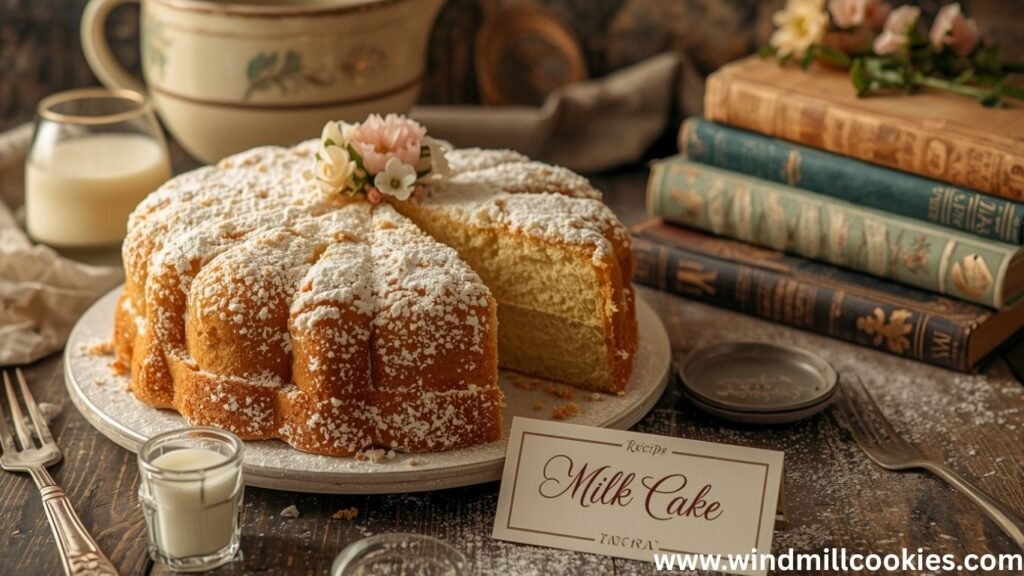
Add Wet Ingredients
Pour in 1/2 cup milk, 1/3 cup oil or melted butter, and 1 teaspoon vanilla extract into the fluffy egg mixture. Mix gently until smooth and fully combined. This step builds rich flavor and ensures a moist, tender milk cake.
Stir slowly to keep the airy texture intact. Overmixing at this stage can reduce volume and affect softness. A light hand creates a silky, well-balanced batter.
Use room temperature milk for better blending. Warm ingredients help create a uniform mixture, giving your cake a soft crumb and bakery-style finish with every bite.
Combine Batter
Add the prepared dry mix (1 cup flour, 1 teaspoon baking powder, 1/4 teaspoon salt) into the wet mixture in batches. Gently fold in a spatula for a smooth, airy batter.
Mix slowly to keep volume intact. Overmixing makes the cake dense, so use light strokes and stop once no dry streaks remain. This step ensures a soft, fluffy texture in the milk cake.
Scrape sides and fold evenly for a uniform blend. A well-combined batter creaperfect rise and fine crumb. Keep the mixture light and silky for bakery-style results every time.
Bake the Cake
Pour the smooth batter into the prepared 88-inch pan, spreading evenly for uniform baking. Tap the pan lightly to remove air bubbles and ensure a fine, even crumb.
Place in a preheated oven at 180°C (350°F). Bake for 25–30 minutes until the top turns golden, and a toothpick inserted in the center comes out clean. This ensures a perfectly cooked, soft sponge.
Avoid opening the oven early, as it can collapse the cake. Proper baking time locks in moisture and structure. A well-baked base is essential for absorbing the milk mixture and achieving that rich, melt-in-the-mouth texture.
Prepare Milk Mixture
In a bowl, combine 1 cup whole milk, 1/2 cup condensed milk, and 1/2 cup evaporated milk. Whisk until smooth and creamy. This rich blend creates the signature moist texture of milk cake.
Mix well to balance sweetness and flavor. The condensed milk adds depth, while whole milk keeps it light and smooth. This perfect ratio ensures a soft, melt-in-mouth result.
Use chilled or room temperature milk for easy absorption. A well-prepared mixture enhances taste and gives the cake its luxurious, bakery-style finish with every bite.
Soak the Cake
Once baked, let the cake cool slightly for 10 minutes. Using a fork or skewer, gently poke holes across the surface. This step helps the cake absorb the milk mixture deeply.
Slowly pour the prepared milk mixture (1 cup whole milk, 1/2 cup condensed milk, 1/2 cup evaporated milk) over the warm cake. Add in stages for even soaking and rich flavor.
Allow each layer to absorb before adding more. This method ensures a soft, moist texture without sogginess. Proper soaking creates a creamy, melt-in-mouth milk cake with a perfect balance and bakery-style finish.
Chill
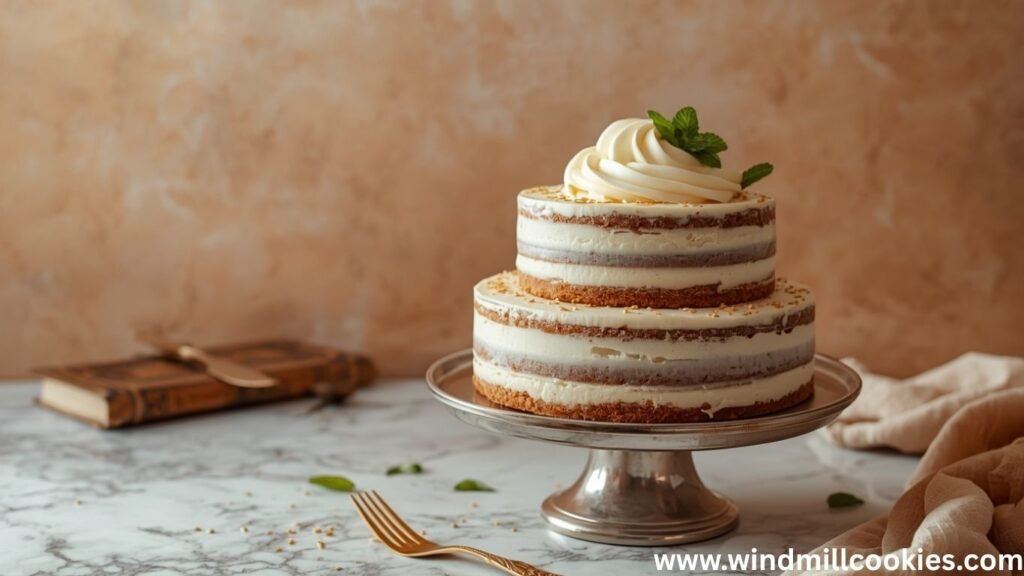
Transfer the soaked cake to the refrigerator and chill for at least 2–3 hours. This resting time allows the milk mixture (1 cup whole milk, 1/2 cup condensed milk, 1/2 cup evaporated milk) to fully absorb, creating a rich, creamy texture.
Cover the pan to prevent drying and maintain freshness. Proper chilling enhances flavor and sets the structure, giving clean slices and a smooth finish.
For best results, chill overnight. A well-chilled milk cake tastes deeper, softer, and more indulgent, delivering that perfect melt-in-mouth experience with every bite.
Add Toppings
Once chilled, finish your milk cake with luscious toppings for extra indulgence. Spread 1 cup whipped cream evenly over the surface for a creamy, airy layer that complements the moist cake perfectly.
Sprinkle 2 tablespoons crushed nuts, such as pistachios or almonds, for a satisfying crunch and vibrant visual appeal. Nuts also enhance flavor, giving each bite a nutty richness.
For a decorative touch, you can drizzle chocolate syrup or scatter fresh fruit slices like strawberries or mango. These finishing touches elevate the cake to a bakery-style presentation, making it irresistible for celebrations or casual treats alike.
Expert Tips for Best Results
To achieve a perfectly moist milk cake, always use room-temperature ingredients. This ensures even mixing and a smoother batter.
Do not overmix the batter once you add flour. Overmixing develops gluten, making the cake dense instead of soft.
Pour the milk mixture gradually. This helps the cake absorb evenly without becoming soggy.
Let the cake chill properly. This step enhances flavor and texture, making each bite rich and creamy.
Avoid overbaking. A dry sponge will not absorb the milk mixture properly.
Use full-fat milk for the best taste and richness.
Variations & Substitutions
For a flavored milk cake, add 1/2 teaspoon cardamom powder or a few strands of saffron soaked in milk. This creates a traditional and aromatic twist.
To make a chocolate milk cake, replace 2 tablespoons of flour with cocoa powder and add chocolate syrup to the milk mixture.
For a lighter version, reduce sugar slightly and use low-fat milk, though the richness will be less.
A fruit milk cake variation works beautifully with fresh strawberries or mango slices layered on top.
For a completely eggless milk cake recipe, substitute eggs with yogurt or a mix of milk and vinegar.
Storage & Make-Ahead Instructions
At Room Temperature: the cake can sit for uto 6o6 hours in a cool environment.
For Refrigeration: store it in an airtight container for up to 3–4 days. The flavor actually improves as it rests.
To Freeze: wrap individual slices tightly and store for up to 1 month. Thaw overnight in the refrigerator before serving.
You can make the sponge a day in advance and soak it the next day for convenience.
Frequently Asked Questions (FAQ)
What makes a milk cake moist?
The milk soaking mixture is the key. It infuses the sponge with moisture and richness.
Can I make milk cake without eggs?
Yes, you can use yogurt or a milk-vinegar mixture as a substitute for eggs.
Why is my milk cake dry?
Overbaking or not using enough milk mixture can result in a dry texture.
Can I use only one type of milk?
Yes, but combining condensed and regular milk gives the best flavor and texture.
How long should I soak the cake?
Let it soak for at least 2–3 hours, but overnight is even better.
Can I make this cake ahead of time?
Absolutely. It’s actually better when made a day ahead.
Is milk cake served warm or cold?
It is best served chilled for the perfect creamy texture.
Final Thoughts / Serving Suggestions
This milk cake recipe is one of those desserts that feels both simple and luxurious at the same time. It’s perfect for family gatherings, festive occasions, or even as a special weekend treat.
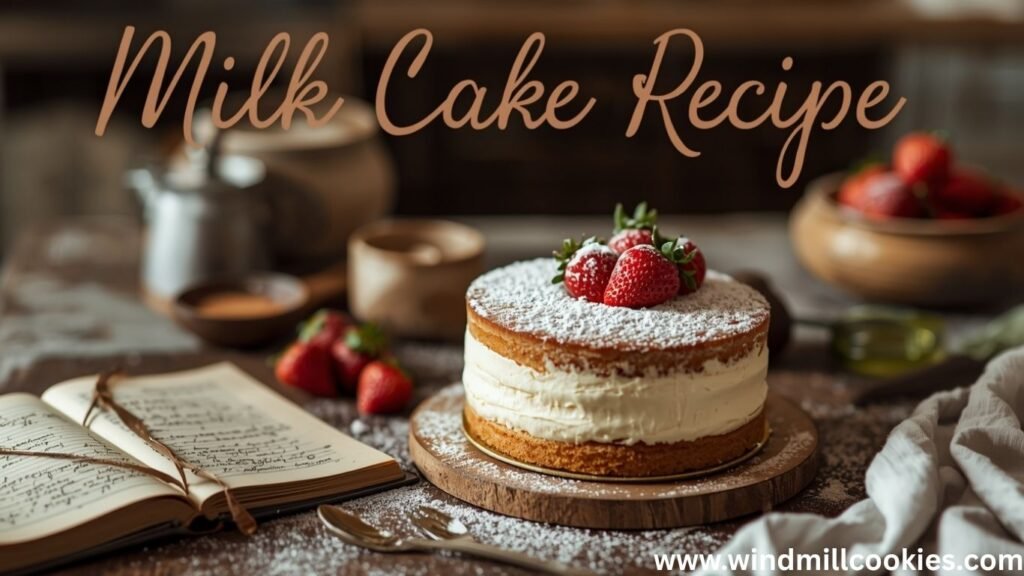
I love serving it chilled with a cup of tea or coffee, topped with fresh cream and a sprinkle of nuts. You can also pair it with fruits for a refreshing contrast.
If you’re new to baking or just want a reliable, crowd-pleasing dessert, this easy milk cake will never disappoint. Once you try it, it’s bound to become a regular in your kitchen.