

The first time I baked a Madeleine, I was fascinated by how something so simple could feel so elegant. These delicate little shell-shaped cakes are famous in French bakeries, yet they’re surprisingly easy to make at home.
When the batter hits the hot pan and the buttery aroma begins filling the kitchen, it instantly feels like a Parisian café moment.
I love baking madeleines when I want something special but not overly complicated. They’re light, soft, slightly crisp around the edges, and incredibly buttery. Paired with coffee or tea, they create a small but luxurious treat.
What makes this Madeleine cookies recipe especially wonderful is that it requires only basic pantry ingredients, yet delivers bakery-quality results.
Whether you’re baking for guests, a weekend brunch, or simply craving a classic French dessert, these madeleines will never disappoint.

What Is a Madeleine Cookie Recipe?
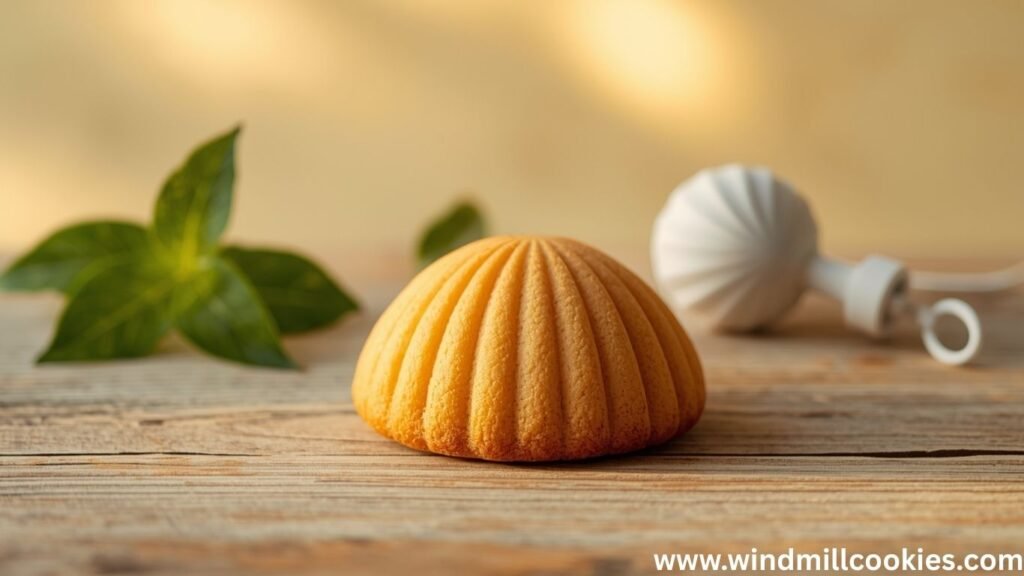
Madeleines are small French butter cakes traditionally baked in a shell-shaped mold. Although many people call them cookies, their texture is actually closer to a light sponge cake.
This famous pastry originates from the Lorraine region of France, where it became a beloved tea-time treat. Classic madeleines are known for their delicate crumb, golden edges, and signature “hump” that forms during baking.
A traditional French-madeleine recipe typically includes butter, eggs, sugar, flour, and lemon zest for subtle brightness.
What makes Madeleines different from other cookies?
- They use a cake-like batter, not cookie dough
- They are baked in a special shell pan
- They have a light sponge texture with crisp edges
Because of this unique structure, madeleines sit perfectly between a cookie, a sponge cake, and a small butter cake.
Why You’ll Love This Recipe
There are many reasons this homemade Madeleine cookies recipe is one of my favorite classic desserts.
• Light and buttery texture: soft interior with slightly crisp edges
• Simple ingredients: made with common baking staples
• Elegant presentation: beautiful shell shape looks bakery-worthy
• Quick baking time: ready in under 30 minutes
• Perfect tea-time dessert: pairs beautifully with coffee or tea
• Versatile flavor base: easy to customize with chocolate, citrus, or vanilla
• Beginner-friendly: great introduction to classic French baking
If you enjoy delicate desserts like sponge cakes or tea cookies, you’ll absolutely love these classic madeleines.
Ingredients Overview
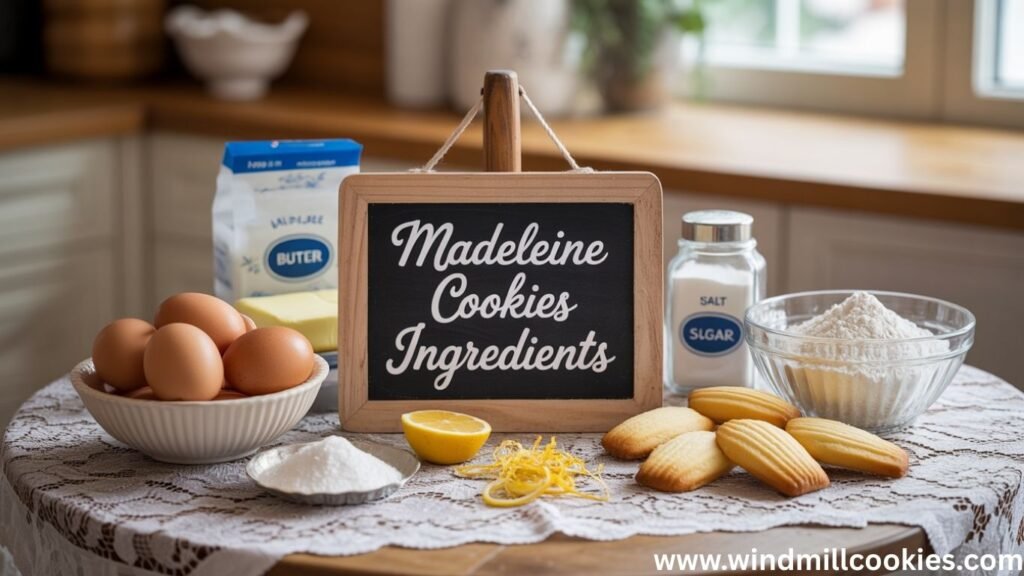
A traditional Madeleine cookie recipe uses a short ingredient list, but quality matters for the best flavor and texture.
- Unsalted Butter – ½ cup (113 g): Butter gives madeleines their rich flavor and tender crumb. Use melted and slightly cooled butter.
- Substitute: Dairy-free butter can work if needed.
- Large Eggs – 2: Eggs create the airy structure and sponge-like texture.
- Tip: Room-temperature eggs mix more smoothly.
- Granulated Sugar – ½ cup (100 g): Sugar sweetens the batter while helping achieve a delicate crust.
- All-Purpose Flour – ¾ cup (95 g): Flour provides structure for the cake-like texture.
- Substitute: Gluten-free 1:1 baking flour can be used.
- Baking Powder – 1 teaspoon: This helps create the signature madeleine hump.
- Vanilla Extract – 1 teaspoon: Adds warm, aromatic flavor.
- Lemon Zest – 1 teaspoon: Traditional French madeleines often include citrus for freshness. Optional but recommended.
- Salt – ¼ teaspoon: Balances the sweetness and enhances flavor.
Optional Finishing Ingredient
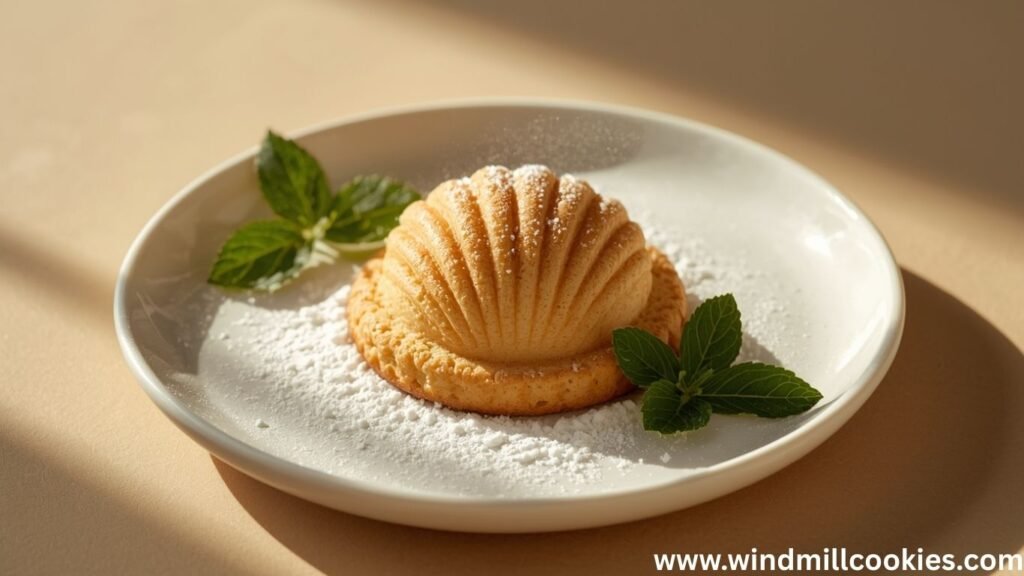
Powdered Sugar: For dusting. This classic finishing touch adds a beautiful bakery appearance.
Step-by-Step Instructions
Prepare the Pan
Start by preheating your oven to 375°F (190°C) for perfectly baked madeleines. A properly prepared pan is essential for achieving the classic shell shape and golden edges.
Brush each mold of the madeleine pan with 1 tablespoon melted unsalted butter, making sure every curve is coated well.
Next, lightly dust the molds with 1 teaspoonof all-purpose flour. Gently tap the pan to remove excess flour. This simple step prevents sticking and helps the delicate cakes release easily after baking.
For even better results, refrigerate the prepared pan for 10 minutes before filling. A chilled pan combined with the batter helps create the signature light, fluffy madeleine texture and beautifully defined shells.
Melt the Butter
Place ½ cup (113 g) unsalted butter in a small saucepan or microwave-safe bowl. Heat it gently over low heat or in the microwave for 20–30 seconds until fully melted.
The butter should become smooth and glossy without boiling. Slow melting keeps the flavor rich and prevents burning.
Once melted, remove the butter from the heat and let it cool for 5 minutes. Warm butter blends easily into the batter and helps create the signature soft, buttery madeleine texture.
If the butter is too hot, it can cook the eggs and affect the batter’s structure. For a deeper flavor, you can lightly brown the butter until it smells nutty and aromatic. This simple step adds a gourmet bakery-style taste to the madeleines.
Whisk Eggs and Sugar
In a large mixing bowl, add 2 large eggs and ½ cup (100 g) granulated sugar. Using a whisk or hand mixer, beat the mixture for 2–3 minutes until it becomes pale, thick, and slightly foamy.
This step builds the airy base that gives madeleines their light, soft, sponge-like texture. Whisk steadily so the sugar dissolves completely into the eggs.
The mixture should look smooth and creamy, which helps the batter rise beautifully in the oven. For extra flavor depth, mix in 1 teaspoon vanilla extract while whisking.
Properly whisked eggs and sugar create a fluffy batter structure, ensuring your madeleines bake tender inside with delicate golden edges.
Add Flavorings
Once the eggs and sugar mixture becomes pale and fluffy, gently stir in the flavor ingredients. Add 1 teaspoon vanilla extract and 1 teaspoon fresh lemon zest to the bowl.
These simple additions bring a bright, aromatic flavor that makes classic madeleines taste elegant and bakery-quality.
Mix slowly with a whisk or spatula until the flavorings blend smoothly into the batter. The vanilla adds a warm, sweet aroma, while lemon zest provides a fresh citrus note that balances the buttery richness.
For an enhanced flavor profile, you can also add ¼ teaspoon almond extract if desired. Properly combining these ingredients creates a delicate, fragrant batter that bakes into soft, flavorful madeleines.
Combine Dry Ingredients
In a separate bowl, add ¾ cup (95 g) all-purpose flour, 1 teaspoon baking powder, and ¼ teaspoon salt. Whisk these dry ingredients together for about 30 seconds until evenly combined.
This quick step distributes the baking powder properly and helps the madeleines rise with a light, airy texture.
Sifting the flour mixture is highly recommended for the smoothest batter and delicate crumb. It removes lumps and keeps the batter soft and consistent.
Gradually add the dry mixture to the egg and sugar base in two small batches, folding gently with a spatula. Mixing slowly prevents overworking the batter and helps create tender, fluffy madeleine cakes with beautifully soft centers.
Add the Butter
Slowly pour ½ cup (113 g) melted unsalted butter into the prepared batter. The butter should be slightly warm, not hot, so it blends smoothly without affecting the egg mixture. Gradual mixing helps maintain a silky, light batter texture.
Use a spatula to gently fold the butter into the mixture. Stir carefully until the batter looks smooth, glossy, and well combined. Avoid fast mixing because it can make the batter heavy and reduce the soft, cake-like texture.
Properly incorporated butter gives madeleines their rich flavor, moist crumb, and delicate golden edges. This step transforms the batter into a luxurious, bakery-style base ready for resting and baking.
Rest the Batter
Once the batter is smooth and glossy, cover the bowl with plastic wrap and place it in the refrigerator. Let the batter rest for 20–30 minutes. This resting step is essential for achieving the light, fluffy madeleine texture and the classic bakery-style rise.
During this time, the ingredients fully hydrate,e and the batter thickens slightly. The chilled batter also reacts better when it enters a hot oven, helping create the famous madeleine hump.
For best results, keep the batter cold until baking. The mixture already contains ½ cup melted butter, 2 eggs, and ¾ cup flour, so resting allows these ingredients to blend perfectly and develop a smooth, balanced batter ready for baking.
Fill the Pan
Remove the chilled batter from the refrigerator and gently stir it once to smooth the texture. Using a spoon or small cookie scoop, place about 1 tablespoon batter into each mold of the prepared madeleine pan. Fill each cavity about ¾ full so the batter has space to rise properly.
The batter already contains ½ cup melted butter, 2 eggs, and ¾ cup all-purpose flour, which creates a rich, smooth consistency that spreads naturally while baking. Avoid spreading the batter with a spoon because the heat will shape the cakes evenly.
Proper filling ensures beautiful shell details, soft centers, and golden edges. Even portions also help every madeleine bake at the same speed for perfect bakery-style results.
Bake
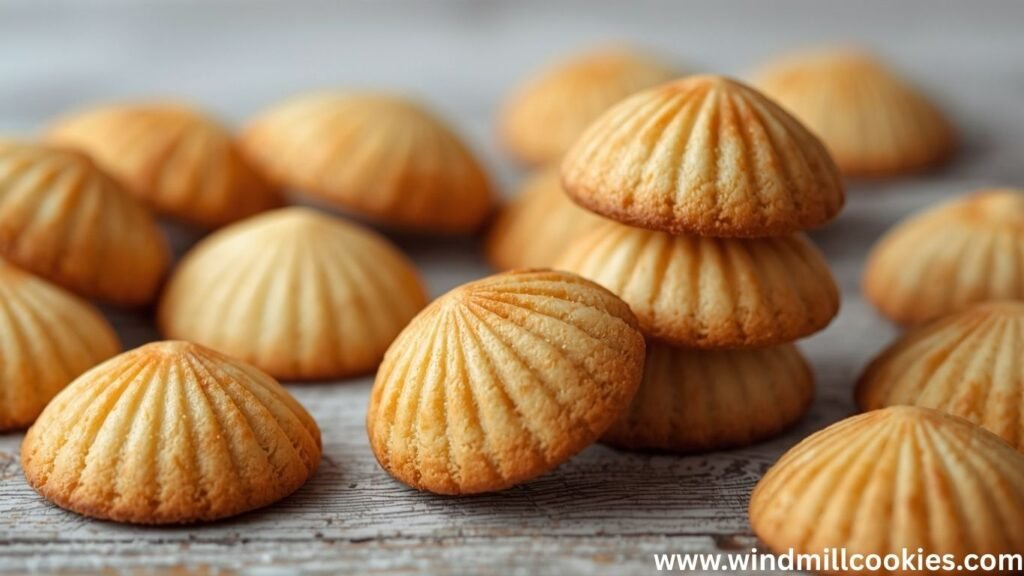
Place the filled madeleine pan into a preheated oven at 375°F (190°C). Bake the cakes for 9–11 minutes until the edges turn light golden brown and the centers gently rise.
During baking, the batter made with ½ cup melted butter, 2 eggs, ½ cup sugar, and ¾ cup all-purpose flour transforms into soft, delicate cakes with a signature hump.
Watch the madeleines carefully during the final minutes. The tops should look slightly puffed and spring back when lightly touched. Avoid overbaking because it can dry the tender crumb.
Perfect baking creates soft interiors, buttery flavor, and lightly crisp edges, giving the madeleines their classic French bakery-quality texture and appearance.
Cool and Serve
Once baked, remove the madeleine pan from the oven and let it rest for 1–2 minutes. Gently tap each mold to release the cakes, being careful not to break the delicate shell shape.
The madeleines, made with ½ cup melted butter, 2 eggs, ½ cup sugar, and ¾ cup flour, will have soft, fluffy centers and lightly crisp edges.
Transfer the cakes to a wire rack to cool completely. Dust lightly with powdered sugar for a classic bakery finish. Serve warm with coffee or tea for the perfect treat, or enjoy them at room temperature.
Proper cooling preserves the soft texture, rich buttery flavor, and elegant appearance of these French delights.
Expert Tips for Best Results
For perfectly madeleines, follow these professional tips. Always chill the batter for 20–30 minutes; cold batter hitting a hot oven creates the classic signature hump.
Use a well-greased madeleine pan with 1 tablespoon melted butter and 1 teaspoon flour per mold to prevent sticking and maintain crisp edges.
Whisk 2 eggs and ½ cup sugar until pale and fluffy to build an airy structure. Fold in ½ cup melted butter gently to keep the batter light and smooth.
Avoid overmixing, as it can make the cakes dense. Bake at 375°F (190°C) for 9–11 minutes for soft, golden centers. Serve fresh for tender, bakery-quality texture and rich buttery flavor every time.
Even though this classic French madeleine recipe is simple, a few professional tips can make a big difference.
- Chill the Batter: Cold batter hitting a hot oven helps create the famous madeleine hump. Skipping this step often leads to flat cakes.
- Use a Proper Madeleine Pan: The shell shape isn’t just decorative. The shallow design helps the cakes bake evenly.
- Don’t Overmix: Overmixing develops gluten, which can make the cakes dense instead of light and airy.
- Fill the Molds Properly: Filling each mold about ¾ full ensures the cakes rise without overflowing.
- Serve Fresh: Madeleines taste best within a few hours of baking when their edges are crisp.
- Avoid Overbaking: Overbaking makes them dry. Remove once the edges turn golden.
Variations & Substitutions
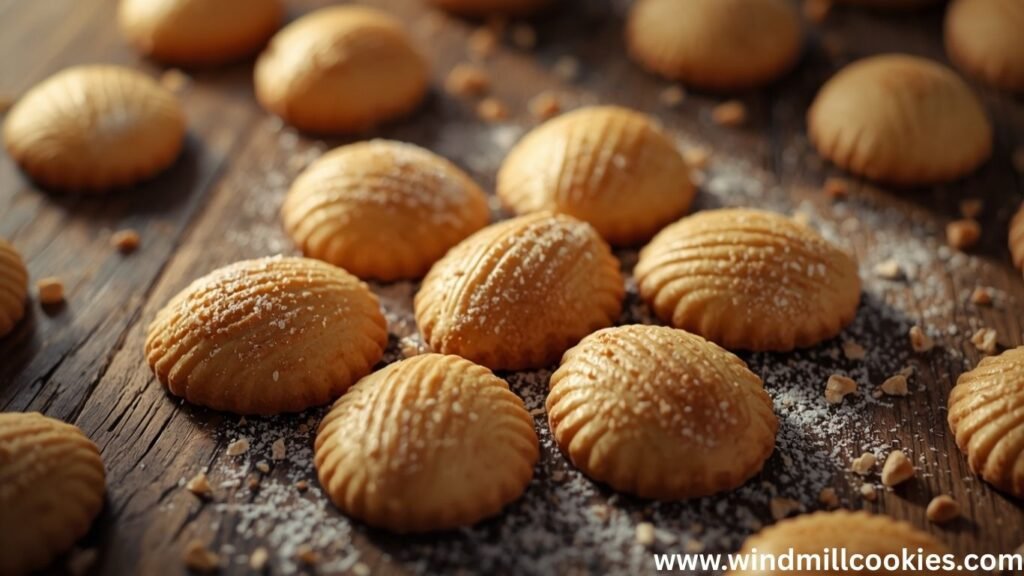
This Madeleine cookies recipe is highly versatile. For a chocolate twist, add 2 tablespoons of cocoa powder to the ¾ cup of flour and gently fold in.
For citrus flavor, swap 1 teaspoon lemon zest with 1 teaspoon orange zest for a bright, fresh aroma. Almond lovers can add ¼ teaspoon almond extract and sprinkle sliced almonds on top before baking.
To make gluten-free madeleines, use a 1:1 gluten-free flour blend instead of regular flour. For a dairy-free version, replace ½ cup melted butter with coconut oil or plant-based butter.
Each substitution keeps the cakes soft, buttery, and bakery-quality while allowing for creative, flavor-packed variations that suit every taste.
One of my favorite things about this homemade madeleine cookies recipe is how versatile it is.
- Chocolate Madeleines: Add 2 tablespoons of cocoa powder to the dry ingredients. You can also dip finished madeleines in melted chocolate.
- Honey Madeleines: Replace 2 tablespoons of sugar with honey for a floral sweetness.
- Orange Madeleines: Swap lemon zest for 1 teaspoon orange zest.
- Almond Madeleines: Add ¼ teaspoon almond extract and sprinkle sliced almonds on top before baking.
- Gluten-Free Madeleines: Use ¾ cup gluten-free all-purpose flour blend instead of regular flour.
Dairy-Free Option
- Replace butter with ½ cup dairy-free baking butter or coconut oil.
- Each variation keeps the soft, buttery texture while adding a unique flavor.
Storage & Make-Ahead Instructions
Although madeleines are best fresh, they can still be stored properly.
Room Temperature
- Store in an airtight container for 2 days.
- Place parchment paper between layers to prevent sticking.
Refrigeration
- You can refrigerate them for up to 5 days, but the texture may become slightly firm.
- Warm briefly before serving.
Freezing
Madeleines freeze very well.
Steps:
- Cool completely
- Wrap individually
- Store in a freezer bag
They will keep for up to 2 months.
Thaw at room temperature before serving.
Make-Ahead Batter
- The batter can be refrigerated for up to 24 hours before baking.
Frequently Asked Questions (FAQ)
Why do madeleines have a hump?
The hump forms when cold batter hits a hot oven, causing the center to rise quickly. Chilling the batter is the key step.
Do I need a madeleine pan?
Yes. A madeleine pan is essential to achieve the classic shell shape and proper baking texture.
Why are my madeleines flat?
Common reasons include:
- The batter wasn’t chilled
- The oven temperature is too low
- Overmixed batter
Can I make madeleines without lemon zest?
Yes. Lemon zest is traditional but optional. Vanilla alone still creates delicious madeleines.
Are Madeleines cookies or cakes?
Madeleines are technically small sponge cakes, although many people refer to them as cookies.
Can I make chocolate-dipped madeleines?
Absolutely. Dip cooled madeleines in melted dark or milk chocolate for an elegant dessert.
How long do homemade madeleines stay fresh?
They taste best within the first day, but can stay fresh for about 2–3 days if stored properly.
Final Thoughts / Serving Suggestions
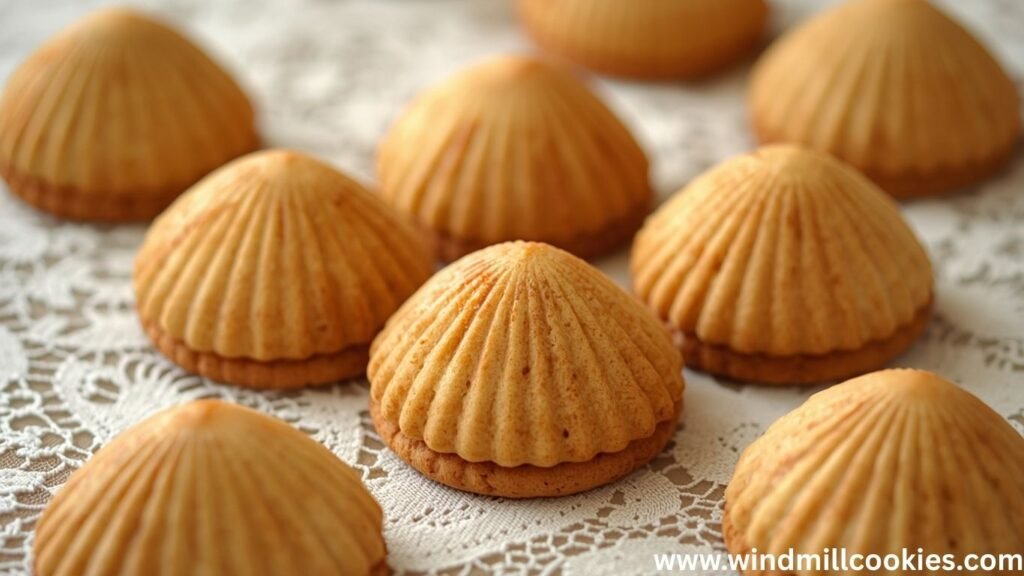
There’s something incredibly charming about baking a Madeleine cookie recipe at home. With their delicate shell shape, light sponge texture, and buttery aroma, they bring a little bit of French café culture straight into your kitchen.
I love serving madeleines slightly warm with:
- Fresh coffee
- Earl Grey tea
- Hot chocolate
- Light fruit desserts
They’re perfect for afternoon tea, brunch spreads, holiday cookie trays, or elegant dinner parties.
If you’ve never tried baking classic French madeleines before, this recipe is the perfect place to start. Simple ingredients, quick baking time, and beautiful results make them one of the most rewarding treats you can bake.
Once you taste your first homemade batch, you’ll understand why this Madeleine cookies recipe has remained a timeless favorite in French baking.