
Growing up, goat milk was always part of our kitchen, not as a trend, but as tradition. Its slightly sweet, clean flavour showed up in warm drinks, simple desserts, and slow-simmered recipes passed down through generations.
Over time, I learned how versatile it really is, especially when transformed into comforting, everyday dishes. This creamy pudding-style dish is one of my most-loved goat milk recipes because it highlights the natural richness of goat milk without overpowering it.
It’s simple, nourishing, and incredibly adaptable, making it perfect for both beginners and seasoned home cooks. If you’re looking for an easy way to enjoy homemade goat milk in a delicious form, this recipe is a beautiful place to start.
Why are Goat Milk Recipes?
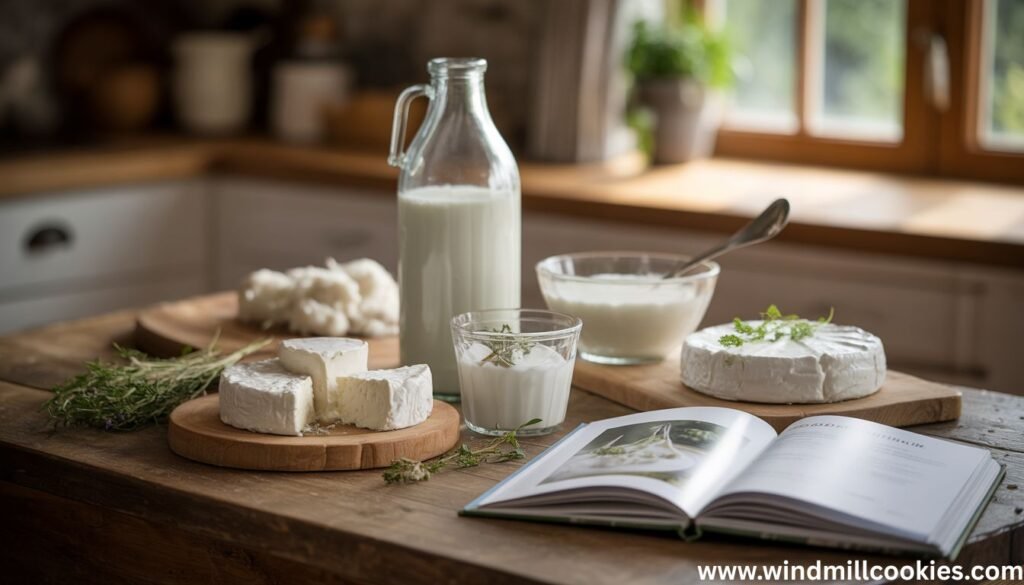
Goat milk recipes refer to dishes prepared using freshpasteurisedized goat milk as the main dairy base. These can range from desserts and beverages to savoury sauces and breakfast staples.
Goat milk has been used for centuries across Mediterranean, Middle Eastern, African, and South Asian cuisines due to its digestibility and nutritional value. Compared to cow’s milk recipes, goat milk dishes tend to have a lighter texture and a slightly tangy-sweet flavour.
The fat globules in goat milk are smaller, which often makes it easier to digest and smoother in cooked recipes like puddings, custards, and porridges.
This particular recipe focuses on a classic creamy pudding, one of the simplest and most comforting ways to enjoy fresh goat milk at home.
Why You’ll Love This Recipe
- Naturally creamy without heavy cream
- Easy, beginner-friendly method
- Mild flavour with no “goaty” aftertaste
- Made with simple pantry ingredients
- Works well for dessert or breakfast
- Can be adapted for gluten-free diets
- A great introduction to homemade goat milk cooking
Ingredients Overview
Here’s everything you’ll need, along with why each ingredient matters:
- Goat milk – 4 cups: Fresh pasteurised goat milk works best. It provides the creamy base and natural sweetness.
- Sugar – ¼ cup: Balances the slight tang of goat milk. You can adjust to taste.
- Cornstarch – 3 tablespoons: Thickens the pudding smoothly without eggs.
- Vanilla extract – 1 teaspoon: Adds warmth and enhances the milk’s natural flavour.
- Salt – 1 pinch: Sharpens and balances sweetness.
Substitutions:
- Use honey or maple syrup instead of sugar
- Arrowroot powder can replace cornstarch
- Almond or coconut sugar works for refined sugar–free versions
Step-by-Step Instructions
Mix the Thickener
Start by preparing a smooth, lump-free thickening base; this step is key for a silky final texture. In a small bowl, add 3 tablespoons of cornstarch and pour in ½ cup of goat milk from the measured amount.
Whisk slowly but thoroughly until the mixture looks completely smooth and milky, with no dry pockets remaining. This simple slurry ensures even thickening and prevents grainy pudding later.
Take your time here; rushing can cause clumps that are hard to fix once heated. Using cold goat milk helps the cornstarch dissolve faster and more evenly. A well-mixed thickener guarantees a creamy, professional-quality result every single time.

Heat the Milk
Pour 3½ cups of goat milk into a heavy-bottomed saucepan to ensure gentle, even heating. Place the pan over medium-low heat and warm the milk slowly, stirring occasionally to prevent sticking.
This controlled heat protects the delicate proteins and preserves the naturally creamy texture. As the milk warms, add ¼ cup sugar and a small pinch of salt, stirring until fully dissolved. Avoid boiling; overheating can cause separation and affect flavour.
The milk should be hot but not bubbling, with light steam rising from the surface. Properly heated milk creates a smooth foundation and enhances the rich, comforting taste of this recipe.
Thicken the Mixture
Once the milk is hot, it’s time to build the signature creamy texture. Slowly pour the prepared thickener made with 3 tablespoonsof cornstarch and ½ cup of goat milk into the saucepan.
Whisk continuously as you add it to ensure smooth blending and even thickening. Keep the heat on medium-low and stir constantly for 5 to 7 minutes. You’ll notice the mixture gradually turning glossy and rich as it thickens.
Avoid increasing the heat, as high temperatures can cause lumps or separation. This slow, steady process delivers a velvety consistency and a professional, pudding-smooth finish every time.

Cook Until Creamy
Continue cooking the thickened mixture over medium-low heat to develop a rich, smooth texture. Stir constantly with a whisk or silicone spatula, reaching the corners of the pan to prevent sticking.
At this stage, the pudding will begin to look glossy and noticeably thicker. Cook for an additional 3 to 5 minutes, allowing the cornstarch to fully activate and eliminate any raw taste. The mixture should coat the back of a spoon without dripping quickly.
Avoid boiling, as high heat can break the structure and affect flavour. Slow, gentle cooking is the secret to a luxuriously creamy finish.
Add Flavor
Once the mixture reaches a creamy consistency, remove the saucepan from the heat to protect the delicate flavour. Immediately stir in 1 teaspoon vanilla extract, mixing gently until fully incorporated.
Adding vanilla off the heat preserves its aroma and enhances the natural sweetness of the goat milk. This is also the moment to adjust the taste if needed. If you prefer a slightly sweeter profile, add a small drizzle of honey or an extra teaspoon of sugar while the pudding is still warm.
Proper flavouring at this stage creates a balanced, smooth taste and elevates the overall richness without overpowering the creamy base.
Cool and Set
Carefully pour the hot pudding mixture, made with 4 cups of goat milk, into individual serving bowls or one large dish. Let it rest at room temperature for 15 to 20 minutes so the heat releases gradually and the texture stays smooth.
Avoid stirring during this stage, as movement can break the creamy structure. Once slightly cooled, transfer the bowls to the refrigerator and chill for at least 1 hour.
This setting time allows the thickener to fully stabilise, creating a firm yet silky finish. For best results, cover lightly to prevent skin from forming. Proper cooling delivers a perfectly set, spoonable texture every time.
Expert Tips for Best Results
Use 4 cups of fresh goat milk for the cleanest flavour and creamiest texture. Always cook over medium-low heat to protect the milk from separating and to ensure smooth thickening.
Whisk the 3 tablespoons of cornstarch with ½ cup of goat milk until fully dissolved before heating to avoid lumps later.
Stir continuously once the mixture begins to thicken, scraping the bottom and sides of the pan for even cooking. Avoid boiling at all stages, as high heat can ruin the final consistency.
For enhanced flavour, add 1 teaspoon vanilla extract only after removing from the heat. These small details deliver a silky, professional-quality result every time.
- Always use low to medium heat to avoid scorching
- Stir continuously once thickening begins
- Never boil goat milk; it can separate
- Taste before chilling and adjust the sweetness
- For extra smooth texture, strain before chilling
- Use fresh goat milk for the cleanest flavour

Variations & Substitutions
This recipe is easy to customise without losing its creamy texture. For a chocolate version, whisk 2 tablespoons of cocoa powder with the 3 tablespoons of cornstarch before mixing with ½ cup of goat milk.
To add warmth, stir in ½ teaspoon cinnamon or ¼ teaspoon cardamom during cooking.
If you prefer natural sweetness, replace ¼ cup of sugar with 3 tablespoons of honey or maple syrup. Arrowroot powder in the same 3-tablespoon amount works as a smooth, gluten-free thickener.
For a dairy-free alternative, substitute 4 cups of coconut milk, keeping the method the same. These variations keep the recipe flexible while maintaining rich, dependable results.
- Chocolate version: Add 2 tablespoons of cocoa powder with sugar
- Cinnamon-spiced: Add ½ teaspoon cinnamon while heating
- Cardamom twist: Add 2 crushed cardamom pods, then strain
- Gluten-free Cookies: This recipe is naturally gluten-free
- Refined sugar–free: Use datesyrup or honey
- Vegan option: Substitute goat milk with coconut milk (flflavourill change)
These variations make this one of the most flexible goat milk dessert recipes you can master.
Storage & Make-Ahead Instructions
- Room temperature: Safe for up to 2 hours
- Refrigerator: Store covered for up to 3 days
- Freezing: Not recommended; texture changes
- Make-ahead: Prepare a day in advance for the best flavour
To prevent skin from forming, press plastic wrap directly onto the surface before chilling.
Frequently Asked Questions (FAQ)
Is goat milk healthier than cow milk?
Goat milk contains smaller fat molecules and is often easier to digest for many people.
Do goat milk recipes taste strong?
When fresh and properly cooked, goat milk has a mild, slightly sweet flavour.
Can I use raw goat milk?
Yes, but gently heat it and avoid boiling to preserve texture and safety.
What desserts can I make with goat milk?
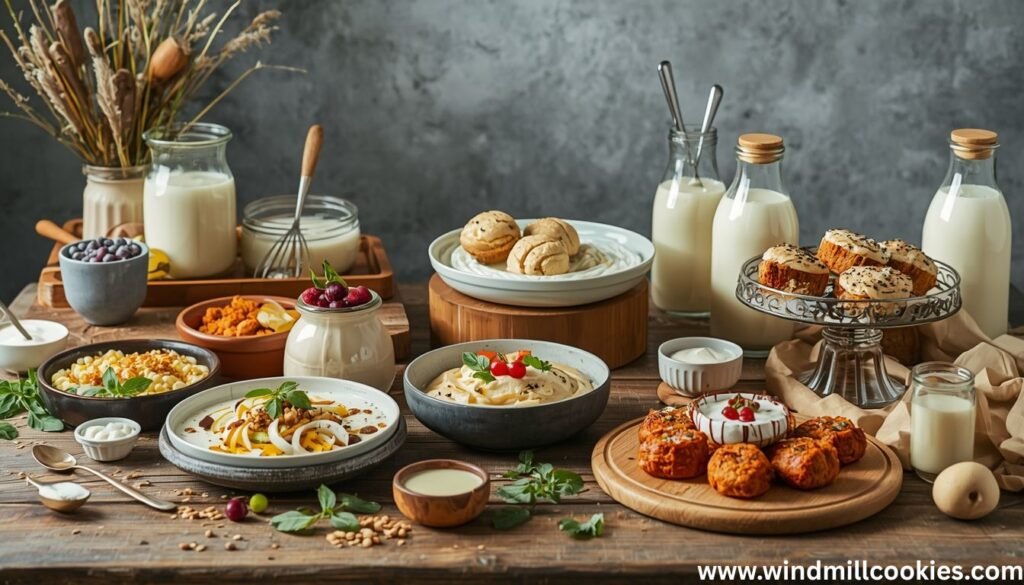
Puddings, custards, rice pudding, ice cream, and baked goods all work well.
Is this recipe good for kids?
Yes, it’s soft, mild, and easy to digest.
How do I reduce the tangy taste?
Add vanilla, cinnamon, or a bit more sweetener.

Final Thoughts / Serving Suggestions
This creamy pudding is one of those goat milk recipes that feels both nostalgic and modern. Serve it chilled with fresh fruit, chopped nuts, or a drizzle of honey. It’s perfect for family dinners, light desserts, or even a nourishing breakfast.
If you’re new to cooking with goat milk, this recipe builds confidence while showcasing its best qualities. Once you master it, you’ll find yourself reaching for goat milk more often and discovering just how versatile it can be.