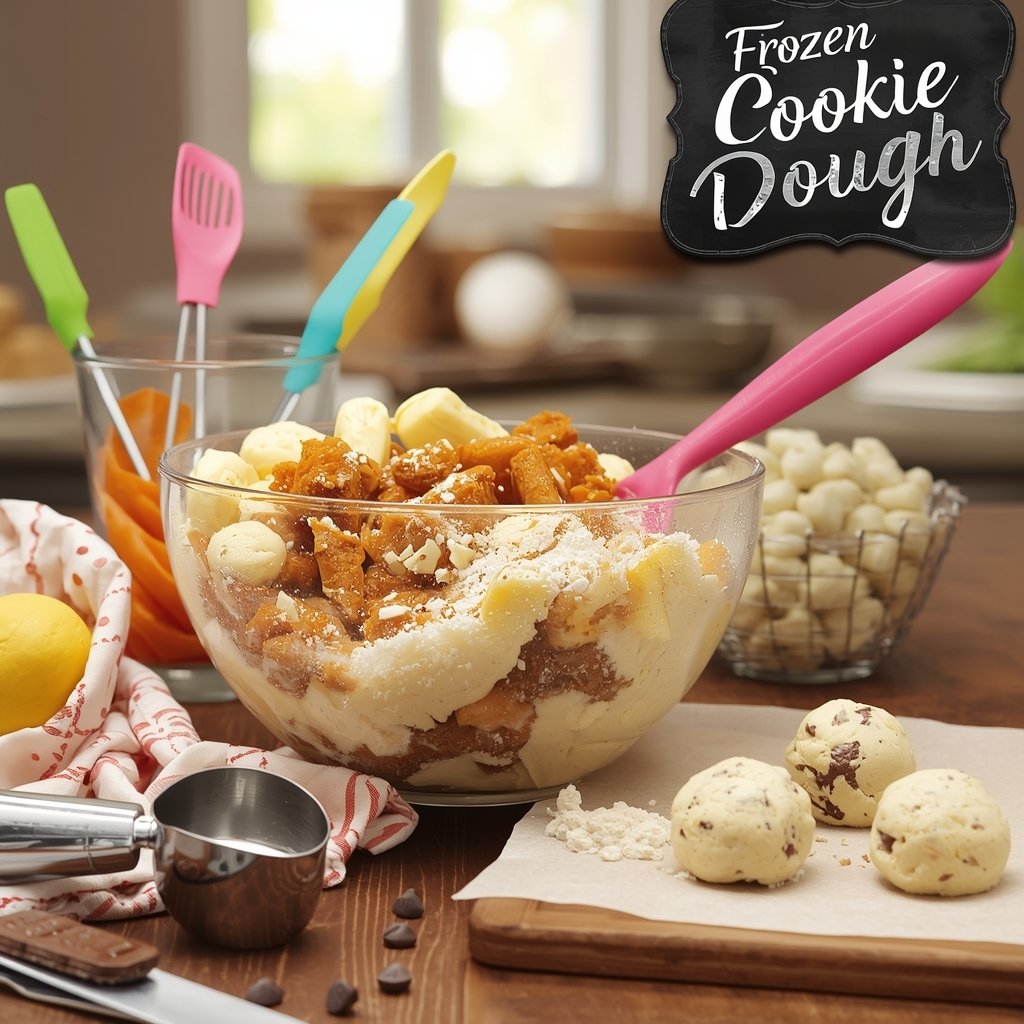

There are days when nothing sounds better than warm, freshly baked cookies, but not necessarily the mess, time, and cleanup that comes with baking from scratch. That’s exactly why I fell in love with this frozen cookie dough recipe.
It started during busy weeks when I wanted homemade cookies on demand, whether for unexpected guests, late-night cravings, or quick dessert prep for family gatherings.
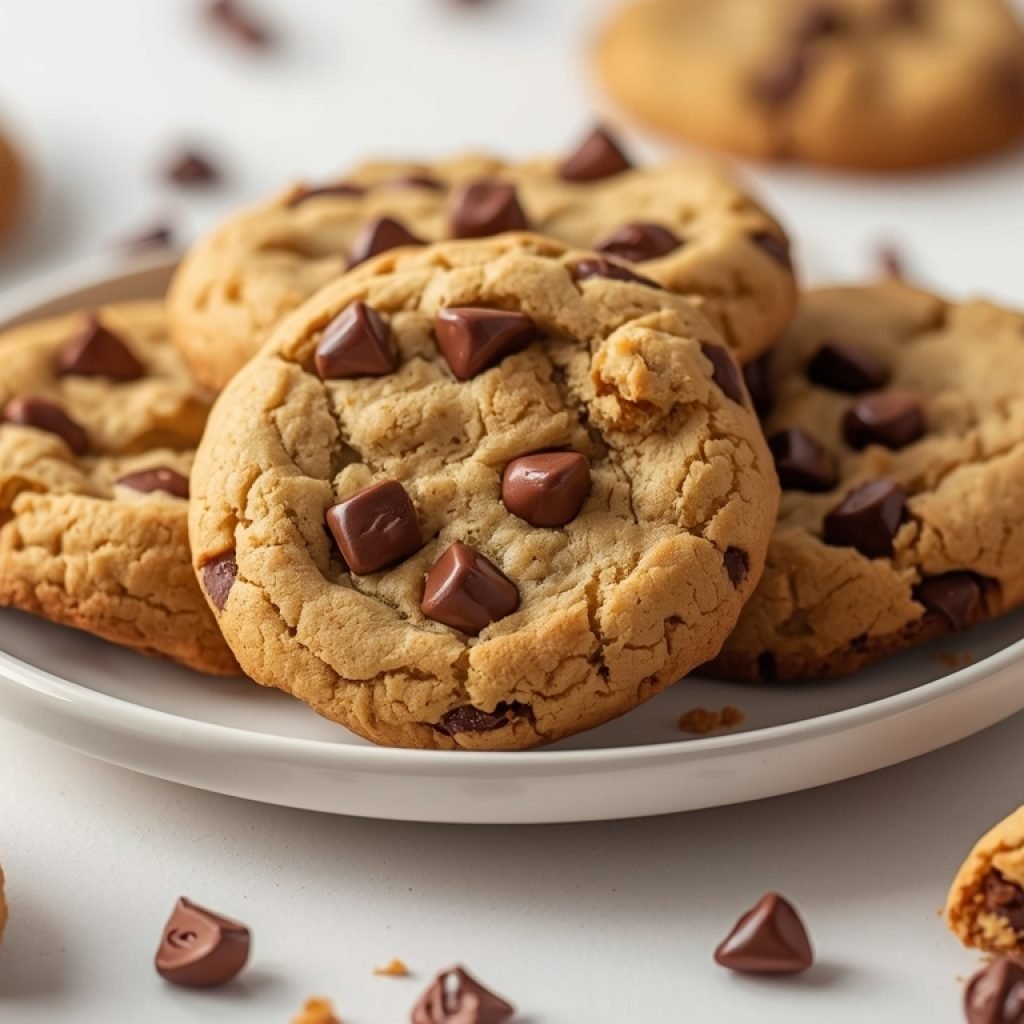
This recipe is special because it’s designed specifically for freezing. The dough freezes beautifully, bakes evenly straight from the freezer, and delivers cookies with crisp edges and soft, chewy centres every single time.
If you’ve ever wondered how bakeries always seem to have fresh cookies ready, frozen cookie dough is the secret.
Whether you’re meal-prepping desserts, baking ahead for holidays, or just trying to make life easier, this frozen cookie dough recipe will quickly become a staple in your kitchen.

What Is a Frozen Cookie Dough Recipe?
A frozen cookie dough recipe is a make-ahead cookie dough that’s prepared, portioned, and stored in the freezer so cookies can be baked whenever needed. Instead of baking all the cookies at once, you freeze the dough and bake only what you want, when you want it.
Freezing cookie dough has been a home-baking technique for decades, but it has become especially popular among busy households and professional bakers who value consistency and convenience.
Unlike refrigerated cookie dough, frozen dough lasts much longer and maintains flavour and texture over time.
What sets this recipe apart from standard cookie recipes is that it’s optimised for freezing, meaning the fat ratio, sugar balance, and moisture levels are carefully adjusted so the cookies bake perfectly straight from frozen without spreading too much or drying out.
Why You’ll Love This Recipe
- Bakes directly from frozen, no thawing required
- Perfect soft and chewy texture every time
- Ideal for meal prep, holidays, and batch baking
- Customizable with different flavours and mix-ins
- Works with gluten-free and dairy-free substitutions
- Saves time while still tasting homemade
Ingredients Overview
This recipe makes about 24 standard cookies.

Ingredients
- 2 ¼ cups all-purpose flour (270 g): Provides structure; use a gluten-free 1:1 flour if needed.
- ¾ teaspoon baking soda: Helps cookies rise and spread properly.
- ¾ teaspoon fine sea salt: Balances sweetness and enhances flavour.
- ¾ cup unsalted butter, softened (170 g): Use dairy-free butter sticks for a vegan option.
- ¾ cup brown sugar (150 g): Adds moisture and chewiness.
- ½ cup granulated sugar (100 g): Helps create crisp edges.
- 1 large egg (room temperature): Acts as a binder; use a flax egg for egg-free dough.
- 1 teaspoon vanilla extract: Adds warmth and depth.
- 1 ½ cups chocolate chips (250 g): Semi-sweet works best, but dark or dairy-free chips also work.
Step-by-Step Instructions
Mix the Dry Ingredients
In a medium mixing bowl, add 2 ¼ cups all-purpose flour (270 g), ¾ teaspoon baking soda, and ¾ teaspoon fine sea salt. Whisk the ingredients together until fully combined and evenly distributed.
This step may seem simple, but it plays a critical role in achieving consistent texture and even baking.
Properly mixing the dry ingredients ensures the leavening agent is evenly dispersed, preventing dense spots or uneven spread when baking frozen cookie dough.
Taking a moment here helps create cookies with balanced structure, soft centres, and clean edges once baked. Always whisk gently and avoid packing the flour to maintain accurate measurements and optimal results.
Cream Butter and Sugars
In a large bowl, add ¾ cup unsalted butter, softened (170 g), ¾ cup brown sugar (150 g), and ½ cup granulated sugar (100 g). Using a hand mixer or stand mixer, beat on medium speed for 2 to 3 minutes until the mixture becomes light, pale, and fluffy.
This creaming step is essential for building structure and flavour in frozen cookie dough. Properly creamed butter traps air, which helps cookies bake evenly and develop soft, chewcentresrs with lightly crisp edges.
Take your time and scrape down the bowl as needed. Rushing this step can result in dense cookies that lack proper spread and texture.
Add Wet Ingredients
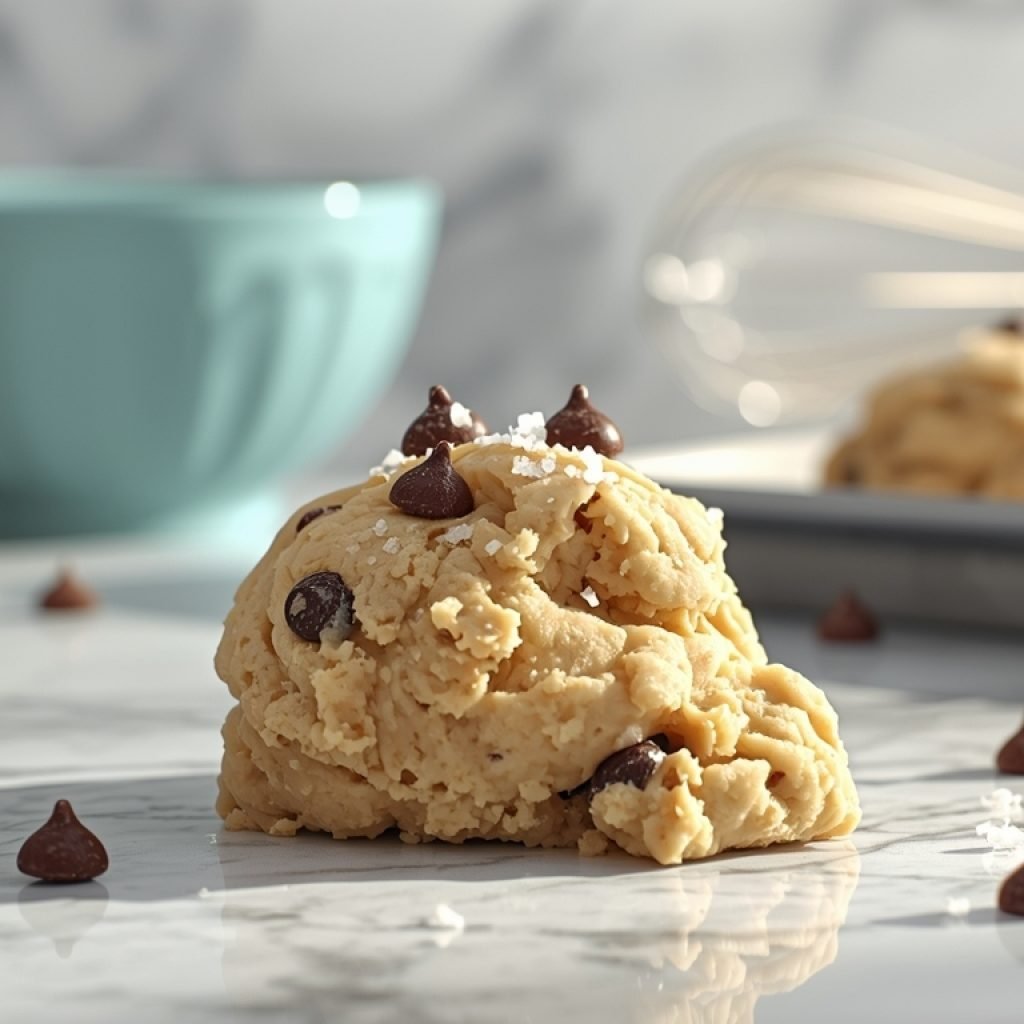
Once the butter and sugars are fully creamed, add 1 large egg (room temperature) and 1 teaspoon vanilla extract to the bowl. Mix on low to medium speed until the ingredients are completely blended and the mixture looks smooth and cohesive.
Using a room-temperature egg helps the dough emulsify properly, creating a stable base for frozen cookie dough. This step adds moisture, richness, and depth of flavour while binding the dough together.
Avoid overmixing, as excessive air at this stage can affect texture during freezing and baking. Scrape down the sides of the bowl to ensure even incorporation and a consistent dough that bakes evenly from frozen.
Combine Dough
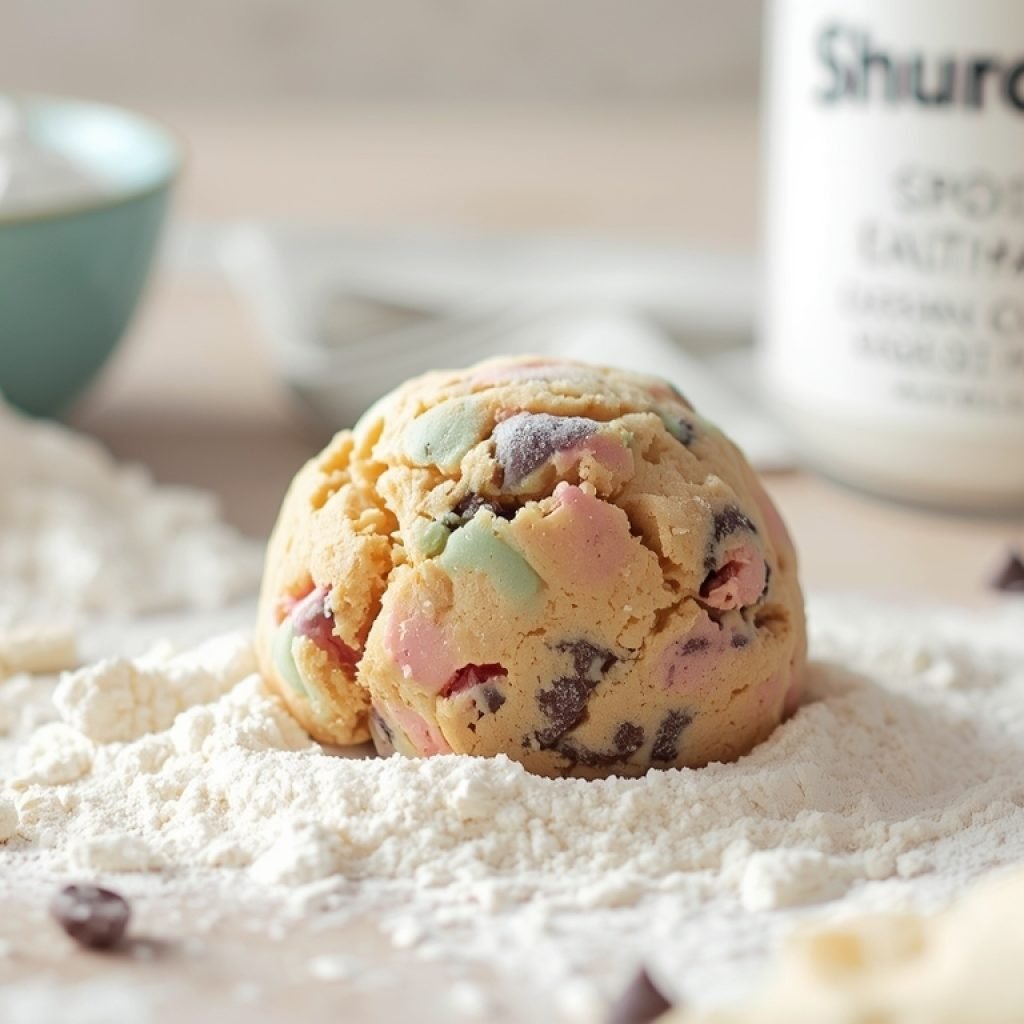
Gradually add the prepared dry mixture: 2 ¼ cups all-purpose flour (270 g), ¾ teaspoon baking soda, and ¾ teaspoon fine sea salt into the wet ingredients. Mix on low speed or fold gently using a spatula until the dough just comes together.
Stop mixing as soon as no dry flour remains visible. This stage determines the final texture of your frozen cookie dough. Gentle mixing prevents gluten from overdeveloping, which keeps the cookies tender and soft after baking.
The dough should feel thick, smooth, and slightly sticky but not wet. Overmixing at this point can lead to tough cookies that spread unevenly when baked straight from the freezer.

Fold in Chocolate Chips
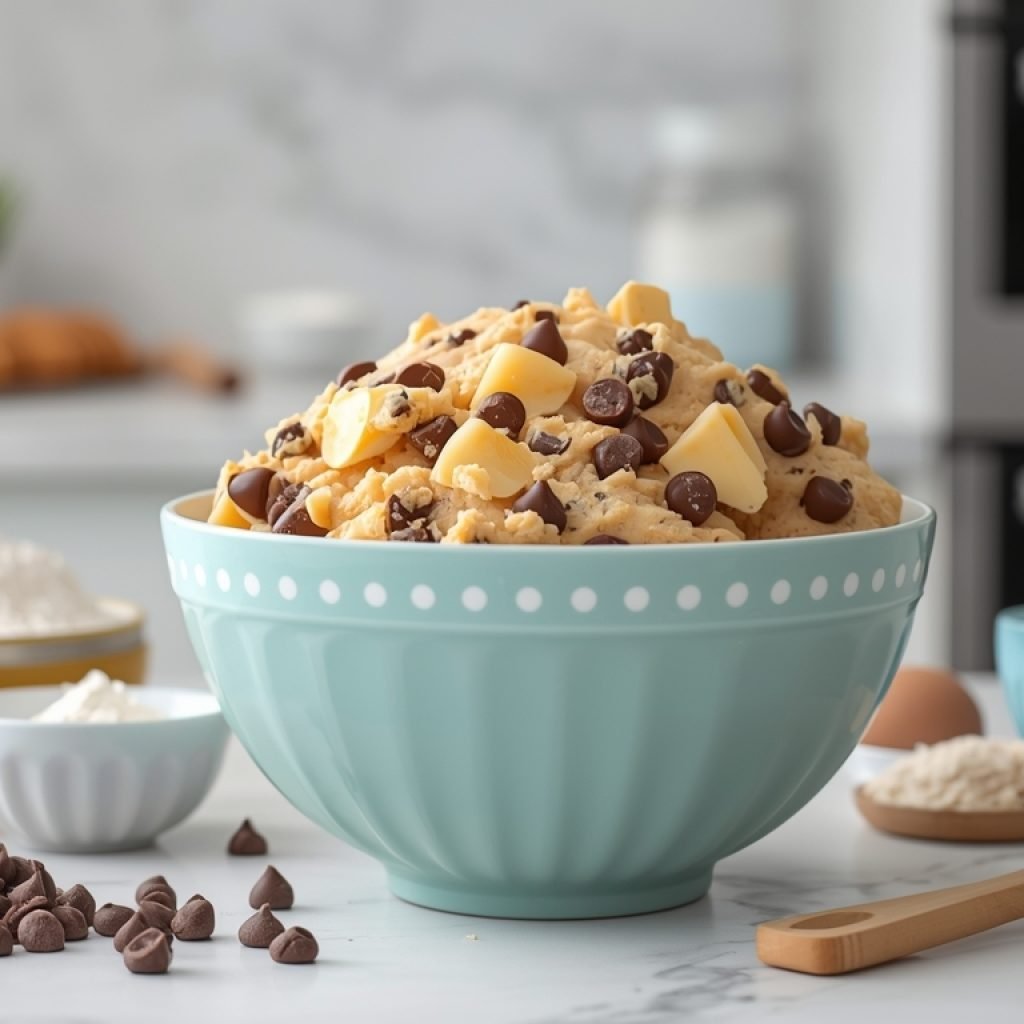
Add 1 ½ cups of chocolate chips (250 g) to the prepared cookie dough. Using a spatula, gently fold the chips into the dough until they are evenly distributed throughout.
This method keeps the dough structure intact and prevents overworking, which is especially important for frozen cookie dough. Even distribution ensures every cookie bakes with balanced flavour and consistent texture.
Folding, rather than mixing, protects the air incorporated during the creaming stage and helps maintain soft centres with clean edges after baking.
At this stage, the dough should look rich, thick, and studded with chocolate. Avoid aggressive stirring, as it can break down the dough and affect final baking performance.

Portion the Dough
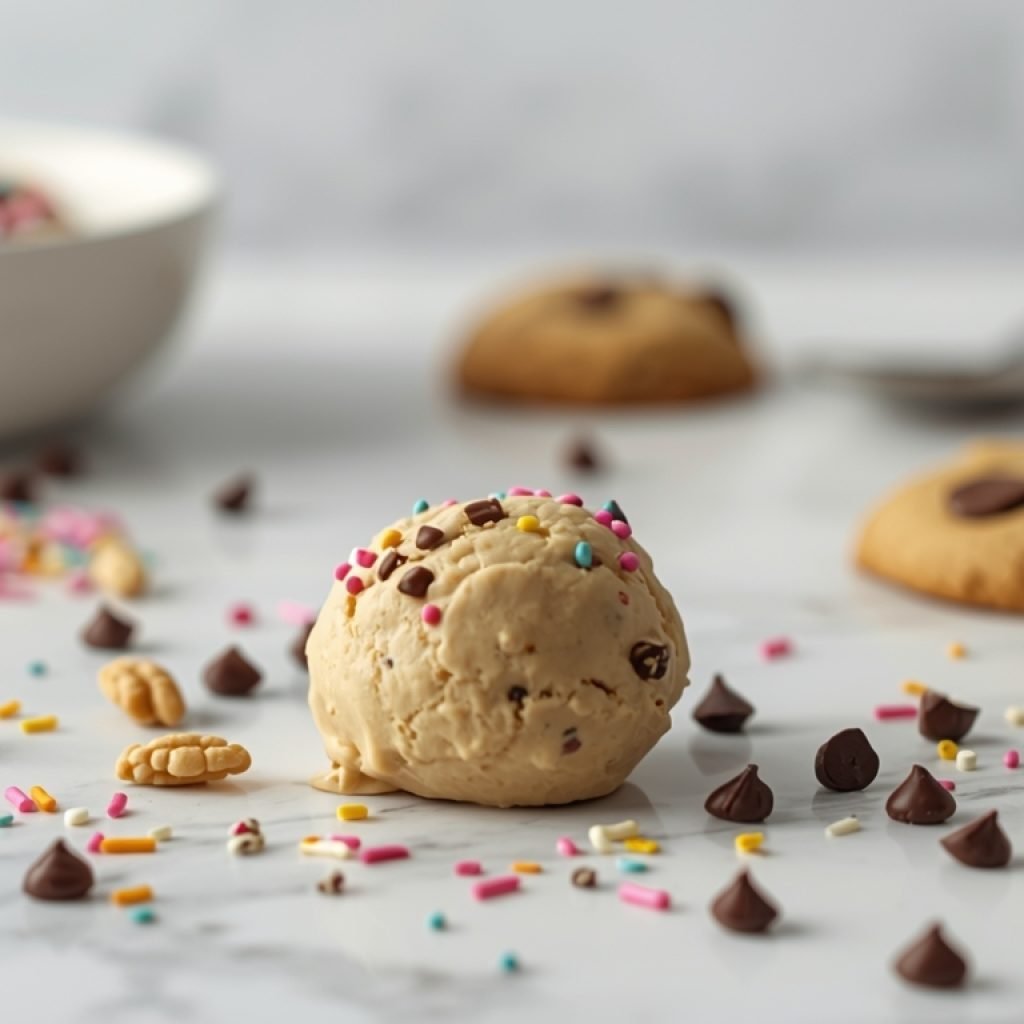
Using a cookie scoop or tablespoon, portion the dough into equal balls, about 2 tablespoons per cookie (approximately 45 g each). This recipe yields around 24 cookie dough portions, depending on size.
Place each portion onto a parchment-lined baking sheet, leaving a slight space between them. Uniform sizing is essential for even baking, especially when working with frozen cookie dough.
Consistent portions ensure all cookies bake at the same rate, producing soft centres and evenly set edges. Avoid compressing the dough too firmly, as this can affect the spread during baking.
Properly portioned dough freezes faster, stores better, and delivers reliable results every time you bake straight from the freezer.
Freeze
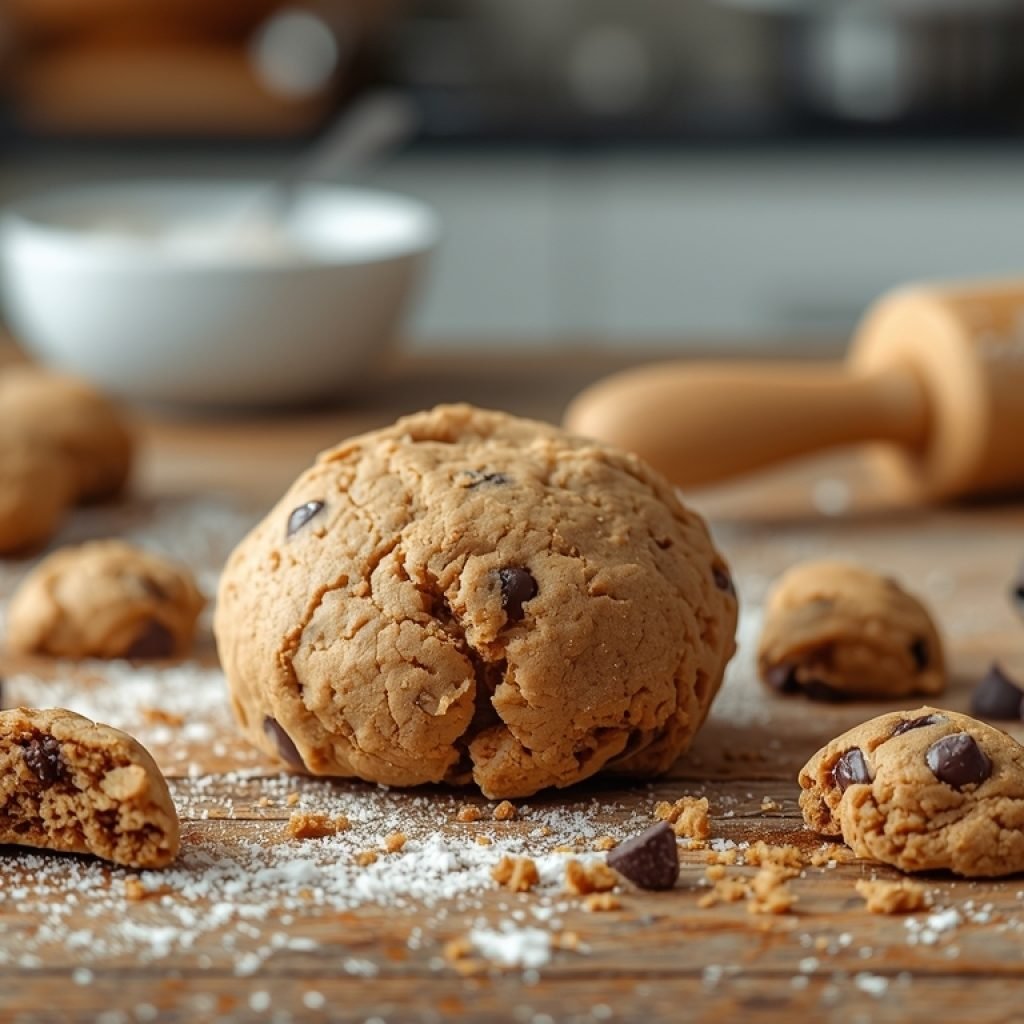
Once the dough is portioned, place the baking sheet in the freezer and freeze the cookie dough balls for 1 to 2 hours, or until fully firm. This step requires no additional ingredients, but timing is critical for successful frozen cookie dough.
Freezing the portions individually prevents them from sticking together and helps lock in structure and flavour. Firmly frozen dough holds its shape during baking, resulting in controlled spread and consistent texture.
After freezing, transfer the dough balls to an airtight freezer-safe bag or container. Proper freezing protects the dough from freezer burn and ensures the cookies bake evenly and reliably straight from frozen whenever needed.
Bake from Frozen
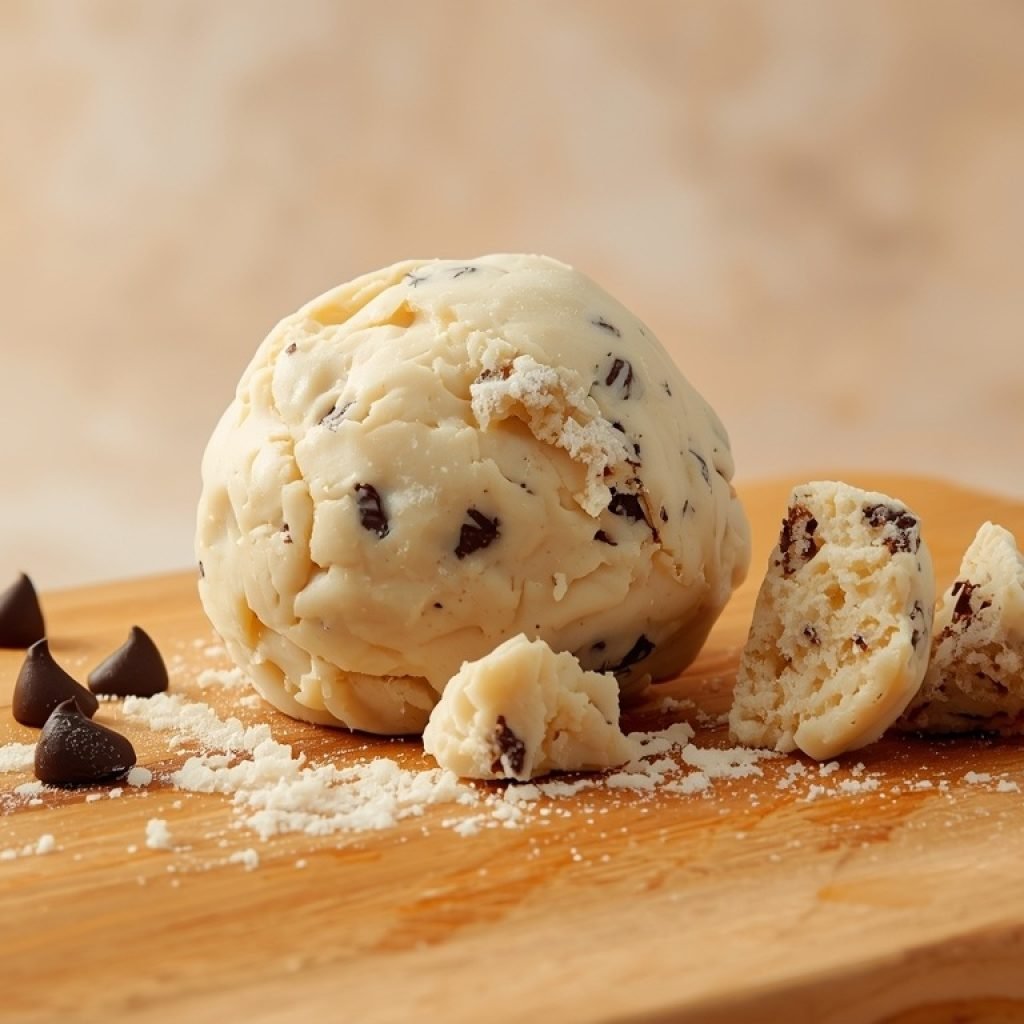
Preheat the oven to 350°F (175°C) and line a baking sheet with parchment paper. Place the frozen cookie dough balls on the sheet, spacing them about 2½ inches apart. Bake for 13–15 minutes, depending on size and oven accuracy.
No thawing is required, which makes frozen cookie dough especially convenient. Baking directly from frozen allows the cookies to spread slowly, creating soft, thickcentress with lightly crisp edges.
The cookies are ready when the edges look set, and the centres appear slightly underbaked. Let them rest on the baking sheet for 5 minutes to finish setting and develop optimal texture before serving.
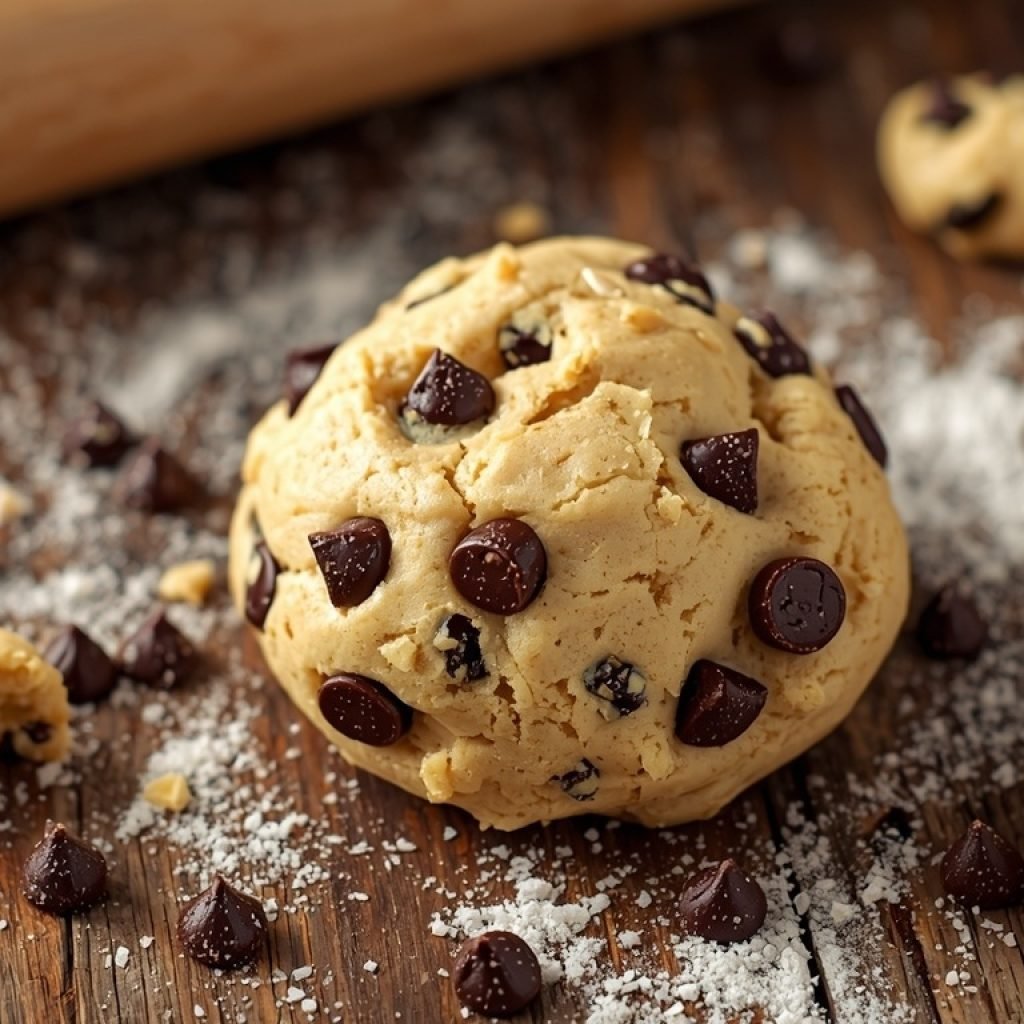
Expert Tips for Best Results
For flawless results, always start with room-temperature ingredients: ¾ cup butter (170 g) and 1 large egg. This ensures the dough emulsifies smoothly and freezes evenly.
Use 2 ¼ cups of flour (270 g) and ¾ teaspoon of baking soda for a consistent rise and texture. Freeze dough balls individually for 1–2 hours before transferring to a sealed bag. This prevents sticking and maintains shape.
When baking, add 2 minutes extra to the normal time, and use 350°F (175°C) for perfect browning. Avoid overmixing after adding flour to prevent tough cookies.
Finally, let cookies cool on the pan for 5 minutes to set and develop chewy centres.
- Always freeze dough balls individually before storing to prevent sticking.
- Label freezer bags with the date and baking temperature.
- Bake frozen cookie dough on light-colored baking sheets for even browning.
- Avoid overcrowding the pan; frozen dough spreads slightly more slowly.
- Let cookies rest on the baking sheet for 5 minutes after baking to finish setting.
Common mistake: thawing the dough before baking, which can cause excessive spreading.
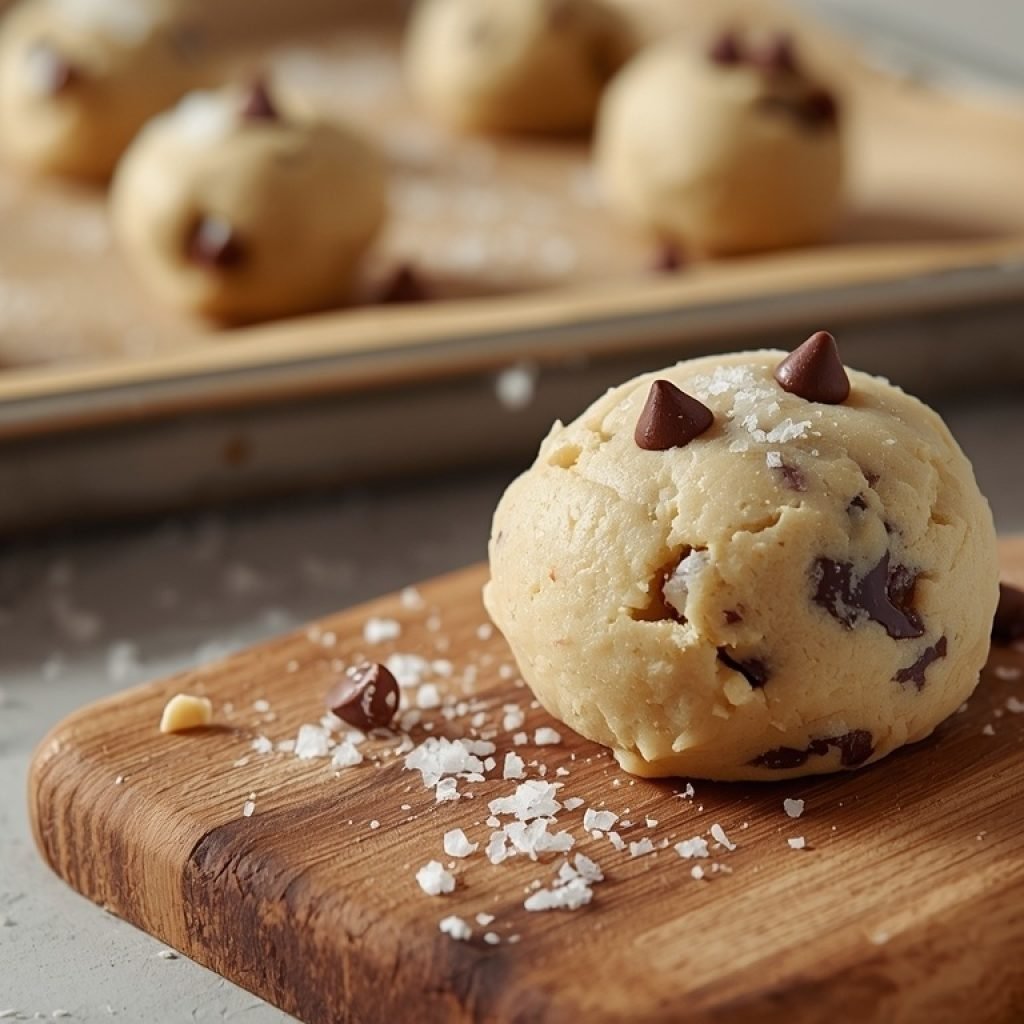
Variations & Substitution
This frozen cookie dough recipe is highly adaptable. For a double chocolate version, add ¼ cup cocoa powder (25 g) and replace ½ cup flour (60 g) with extra cocoa.
Swap 1 ½ cups of chocolate chips (250 g) for white chocolate chips or peanut butter chips for a new flavour profile. For gluten-free cookies, use 2 ¼ cups gluten-free 1:1 flour blend (270 g) and add ½ teaspoon xanthan gum if your blend lacks it.
For dairy-free or vegan cookies, replace ¾ cup butter (170 g) with dairy-free butter and use a flax egg (1 tbsp flax + 2.5 tbsp water) instead of a regular egg.
These substitutions keep texture rich and bake-ready from frozen without compromising taste.
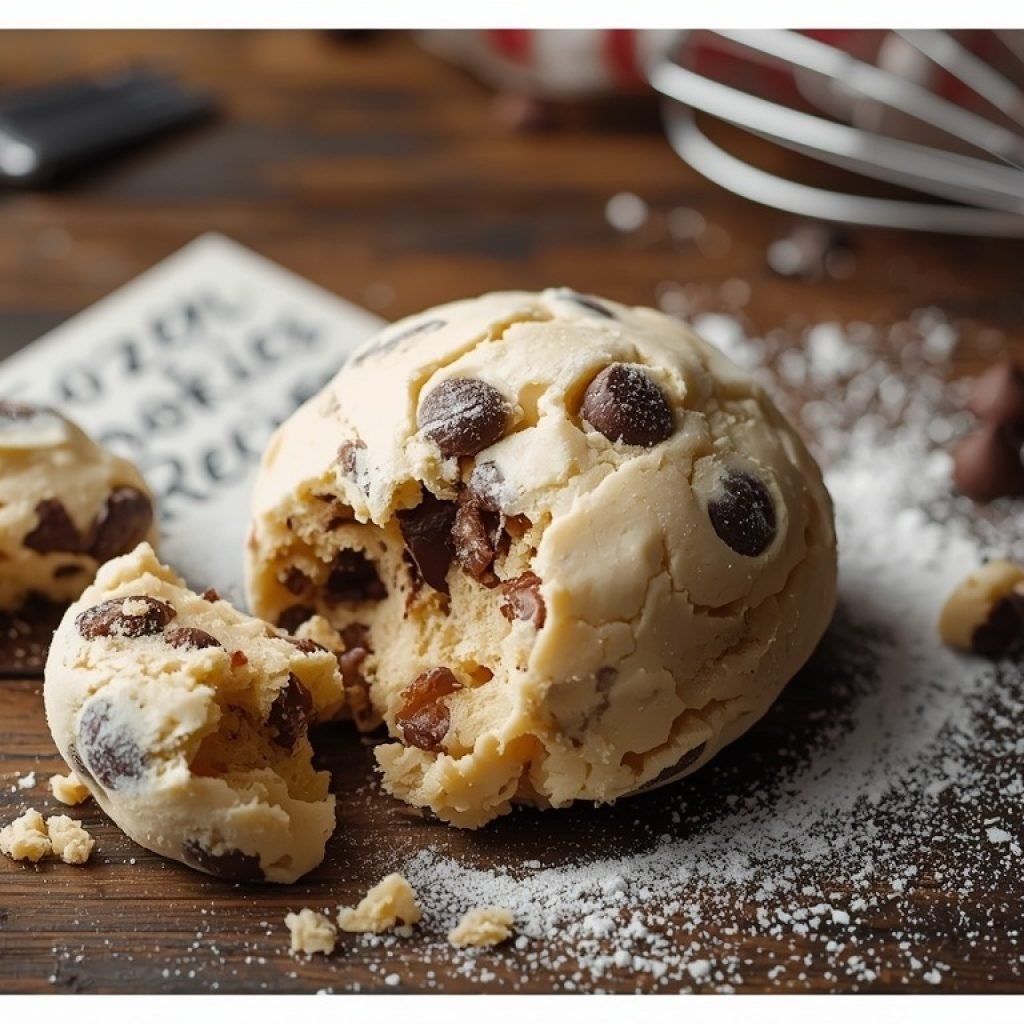
Flavor Variations
- Chocolate chip and walnut
- Double chocolate with cocoa powder
- White chocolate and dried cranberries
- Peanut butter chips and chocolate chunks
Dietary Adaptations
- Gluten-free Cookies: Use a certified 1:1 gluten-free flour blend
- Dairy-free: Substitute plant-based butter and dairy-free chocolate
- Vegan: Use dairy-free butter and a flax egg (1 tbsp flax + 2.5 tbsp water)
Storage & Make-Ahead Instructions
Freezer Storage: Frozen cookie dough can be stored for up to 3 months in an airtight container or freezer bag.
Refrigeration: If needed, the dough can be refrigerated for up to 48 hours before freezing or baking.
Room Temperature: Baked cookies keep well at room temperature in a sealed container for 3–4 days.

Frequently Asked Questions (FAQ)
Can you bake frozen cookie dough without thawing?
Yes, this frozen cookie dough recipe is designed to bake straight from the freezer with no thawing required.
How long does frozen cookie dough last?
Properly stored frozen cookie dough lasts up to 3 months without loss of quality.
Why did my frozen cookies not spread?
Your oven may be too hot, or the dough may contain too much flour. Let the dough sit at room temperature for 5 minutes before baking.
Can I freeze cookie dough with eggs in it?
Yes, cookie dough with eggs is safe to freeze and bake as long as the cookies are fully baked.
Is frozen cookie dough safe to eat raw?
No, raw cookie dough should not be eaten due to raw eggs and flour. Always bake before consuming.
Can I freeze cookie dough in logs instead of balls?
Yes, but portioning into dough balls makes baking more convenient and consistent.

Final Thoughts & Serving Suggestions
This frozen cookie dough recipe is one of those kitchen essentials that makes baking feel effortless and joyful. I love having a stash in my freezer for last-minute guests, holiday trays, or just quiet evenings when a warm cookie sounds perfect.
Serve these cookies with a glass of milk, a cup of coffee, or crumble them over ice cream for an easy dessert. Whether you’re planning or baking on impulse, frozen cookie dough gives you the freedom to enjoy homemade cookies anytime, no stress, no waste, just great results.
Once you try it, you’ll never want to go back to baking cookies all at once.