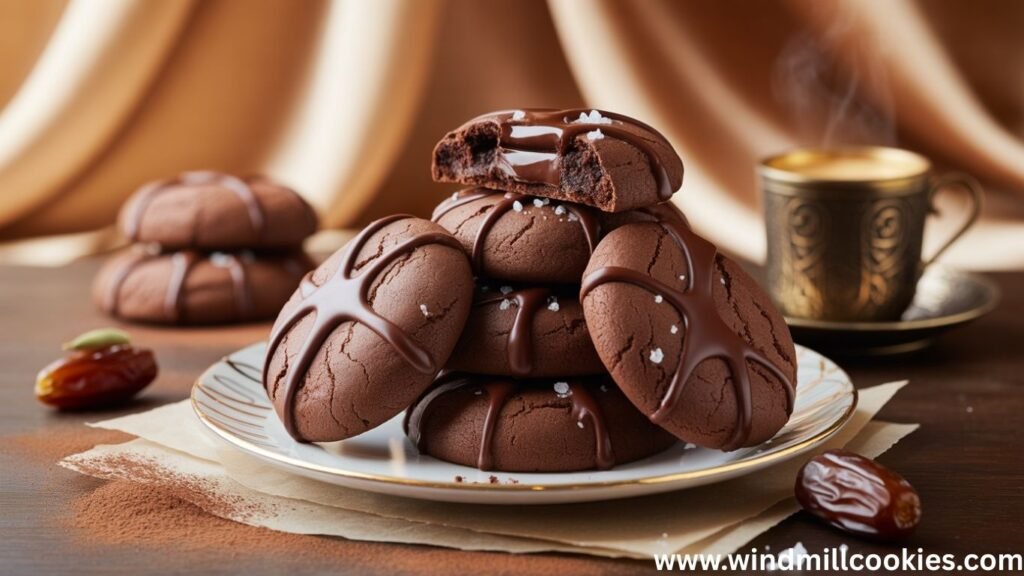
The first time I tasted a truly unforgettable chocolate cookie in Dubai, it wasn’t in a fancy restaurant. It was from a small artisan bakery tucked between cafés, where the scent of melted chocolate and butter hung in the air even before you opened the door.
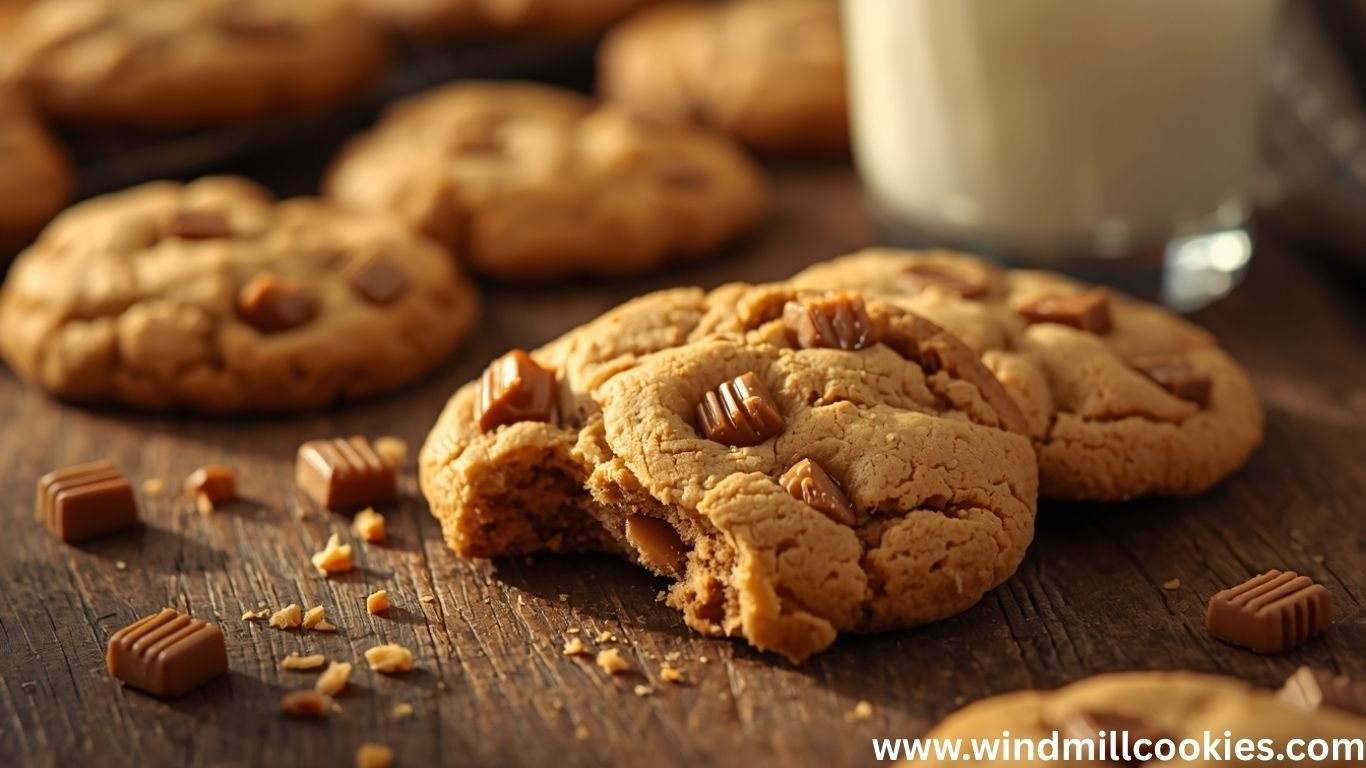
Those cookies were thick, glossy on top, slightly crisp at the edges, and unbelievably soft in the center. That moment stayed with me.
This Dubai chocolate cookies recipe is inspired by that experience and refined in my own kitchen after many test batches. It blends Middle Eastern luxury with classic cookie comfort, think premium cocoa, deep chocolate flavor, and a texture that feels indulgent without being heavy.
If you love rich, bakery-style cookies with a modern twist, this recipe is something special.

What is the Dubai Chocolate Cookies Recipe?
Dubai chocolate cookies are rich, thick cookies known for their luxurious ingredients and soft-center texture. While they aren’t a traditional Emirati dessert, they reflect Dubai’s modern food culture, global influences, premium ingredients, and bold flavors.
Unlike standard chocolate cookies, this style focuses on:
- High-quality cocoa and chocolate
- A balance of crisp edges and fudgy centers
- Slightly underbaked interiors for a melt-in-your-mouth finish
This Dubai chocolate cookies recipe stands out because it uses both cocoa powder and chopped chocolate, creating layers of flavor rather than a single chocolate note.
Why You’ll Love This Recipe
- Deep, intense chocolate flavor without bitterness
- Soft, gooey centers with lightly crisp edges
- Easy, beginner-friendly method
- Bakery-style results at home
- Customizable for dairy-free or egg-free diets
- Perfect for gifting, gatherings, or weekend baking
Ingredients Overview
Below is everything you need, along with why each ingredient matters.
- All-purpose flour – 1 ¾ cups (220 g): Provides structure while keeping the cookies tender.
- Unsweetened cocoa powder – ½ cup (45 g): Use Dutch-processed for a darker, smoother chocolate flavor.
- Baking soda – ¾ teaspoon: Helps the cookies spread just enough while staying thick.
- Salt – ½ teaspoon: Balances sweetness and enhances chocolate flavor.
- Unsalted butter – ¾ cup (170 g), softened: Adds richness and moisture. Dairy-free butter works well, too.
- Brown sugar – ¾ cup (150 g): Creates chewiness and deep caramel notes.
- Granulated sugar – ¼ cup (50 g): Helps with crisp edges and balanced sweetness.
- Egg – 1 large, room temperature: Binds ingredients and adds softness.
- Vanilla extract – 2 teaspoons: Rounds out the chocolate flavor.
- Dark chocolate chunks – 1 cup (170 g): Use high-quality chocolate forthe best results.
Optional substitutions:
- Gluten-free Cookies: flour blend (1:1)
- Vegan butter: and flax egg (1 tablespoon ground flax + 2½ tablespoons water)

Step-by-Step Instructions
Preheat the Oven
Before mixing a single ingredient, preheat your oven to 180°C (350°F). This step sets the foundation for perfect texture and even baking. A fully heated oven ensures the cookies start baking immediately, creating crisp edges and soft, rich centers instead of flat, dry results.
Line 2 baking trays with parchment paper (2 sheets, about 30 × 40 cm each) to prevent sticking and promote even heat circulation. Avoid greasing the tray, as excess fat can cause spreading.
If your oven runs hot, allow an extra 5 minutes of preheating time and use the middle rack only. Consistent temperature control is a game-changer for bakery-style cookies with professional results every time.
Mix Dry Ingredients
In a medium bowl, combine all-purpose flour (1¾ cups / 220 g), unsweetened cocoa powder (½ cup / 45 g), baking soda (¾ teaspoon), and fine salt (½ teaspoon).
Whisk gently but thoroughly until the mixture looks uniform in color and texture. This step is critical for balanced flavor and even rise. Properly mixing the dry ingredients prevents bitter cocoa pockets and uneven baking.
Take your time here. Well-distributed leavening ensures thick, soft centers and smooth edges. Always spoon and level the flour and cocoa to avoid dense cookies.
A well-blended dry mix sets the stage for rich chocolate flavor and flawless bakery-style results.
Cream Butter and Sugars
In a large mixing bowl, add unsalted butter (¾ cup / 170 g, softened), brown sugar (¾ cup / 150 g), and granulated sugar (¼ cup / 50 g). Using a hand mixer or stand mixer, beat on medium speed for 2–3 minutes until the mixture turns pale, fluffy, and glossy.
This process traps air, which is essential for thick, soft cookies with a luxurious crumb. Proper creaming creates structure, moisture, and balanced sweetness.
Scrape down the bowl halfway to ensure even mixing. Avoid overbeating, as it can lead to excessive spreading during baking. Perfectly creamed butter and sugars are the backbone of bakery-style texture and rich chocolate depth.

Add Wet Ingredients
To the creamed mixture, add 1 large egg (room temperature) and vanilla extract (2 teaspoons). Mix on low to medium speed until fully incorporated and smooth.
The egg adds structure and moisture, while vanilla enhances and deepens the chocolate flavor without overpowering it. Room-temperature ingredients blend more evenly, creating a silky, cohesive dough.
Pause to scrape down the sides of the bowl so nothing is left unmixed. Avoid overmixing at this stage, as too much air can affect texture later.
When done correctly, the mixture should look glossy, rich, and uniform. This is the base that delivers soft centers and a refined bakery-style finish.
Combine Wet and Dry
Gradually add the prepared dry mixture flour (1¾ cups / 220 g), cocoa powder (½ cup / 45 g), baking soda (¾ teaspoon), and salt (½ teaspoon) into the wet ingredients.
Mix on low speed or fold gently with a spatula until just combined. Stop as soon as no dry streaks remain. This step determines the final texture.
Overmixing develops excess gluten, leading to dense or tough cookies. A gentle hand keeps the dough soft and balanced.
The finished dough should look thick, smooth, and deeply chocolatey. Properly combining wet and dry ingredients locks in moisture, protects structure, and sets the stage for rich flavor and bakery-style results.
Fold in Chocolate
Add dark chocolate chunks (1 cup / 170 g) to the cookie dough. Using a spatula, gently fold them in until evenly distributed. This technique protects the dough structure and prevents overmixing, which can compromise softness.
Folding by hand ensures the chocolate stays intact and melts into luxurious pockets during baking. For best results, use high-quality chocolate with at least 60–70% cocoa for a deep, rich flavor.
Avoid chocolate chips if possible, as chunks create better melt and texture. Even distribution guarantees chocolate in every bite, delivering bold taste, indulgent texture, and true bakery-style appeal with a premium finish.
Chill the Dough
Cover the prepared cookie dough and refrigerate for 30 minutes. This resting time allows the butter (¾ cup / 170 g) to firm up and the flour (1¾ cups / 220 g) to hydrate fully.
Chilling controls spread, concentrates flavor, and delivers thick, bakery-style cookies instead of flat results.
Cold dough bakes more evenly, creating crisp edges with soft, rich centers. If your kitchen is warm, extend chilling to 45 minutes for better structure.
Do not skip this step; it’s the secret to professional texture and clean shape. Properly chilled dough locks in moisture, enhances chocolate depth, and guarantees consistent, high-quality results every time.
Scoop and Bake
Using a cookie scoop or spoon, portion the chilled dough into 2-tablespoon mounds (about 45 g each). Place them on the prepared baking tray, leaving 6–7 cm space between each cookie for even baking.
This spacing allows controlled spread while keeping the centers thick and soft. Bake in the preheated oven at 180°C (350°F) for 10–12 minutes.
The edges should look set, while the centers remain slightly soft and glossy. Avoid overbaking cookies; continue to cook as they cool.
Remove from the oven and let them rest on the tray for 5 minutes to finish setting and develop a perfect bakery-style texture.

Cool
Once baked, leave the cookies on the hot tray for 5 minutes. This resting time allows the structure to set while the centers stay soft and rich. The residual heat finishes the bake gently, preventing collapse or dryness.
After resting, transfer the cookies to a wire rack using a spatula. Allow them to cool completely for 10–15 minutes before serving or storing.
During cooling, the butter (¾ cup / 170 g) firms up and the chocolate chunks (1 cup / 170 g) settle into smooth, glossy pockets.
Proper cooling enhances flavor, improves texture, and delivers clean edges with a bakery-quality finish. Skipping this step can lead to breakage or uneven texture.
Expert Tips for Best Results
Use room-temperature butter (¾ cup / 170 g) for even creaming and a glossy texture. Always spoon and level flour (1¾ cups / 220 g) to prevent dense cookies.
Chilling the dough for 30–45 minutes is essential it controls spread and enhances chocolate flavor.
Measure cocoa powder (½ cup / 45 g) accurately for a rich, non-bitter taste. Fold in dark chocolate chunks (1 cup / 170 g) gently to maintain pockets of melty chocolate.
Avoid overmixing at every stage; it preserves soft, thick centers. Bake on parchment-lined trays for consistent results. Slightly underbake to achieve chewy interiors.
Following these precise steps guarantees bakery-style Dubai chocolate cookies with perfect texture, flavor, and professional finish.
Variations & Substitutions
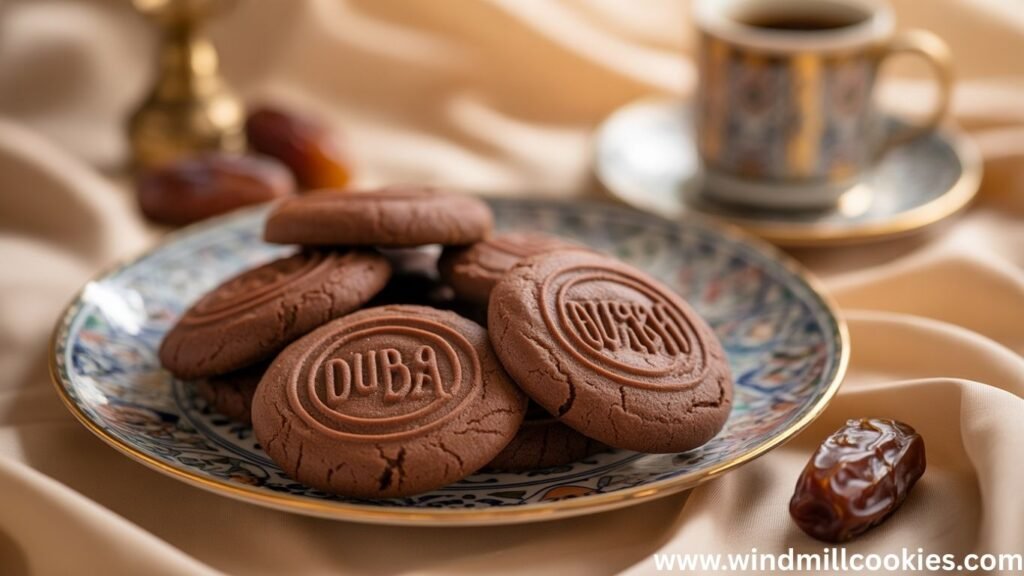
Transform this Dubai chocolate cookies recipe to suit any preference. Swap dark chocolate chunks (1 cup / 170 g) for white chocolate or milk chocolate for a sweeter twist.
Add ½ teaspoon ground cardamom or espresso powder to intensify flavor and create a Middle Eastern-inspired aroma.
For vegan cookies, replace unsalted butter (¾ cup / 170 g) with plant-based butter and 1 large egg with a flax egg (1 tablespoon flax + 2½ tablespoons water).
Gluten-free bakers can use a 1:1 gluten-free flour blend (1¾ cups / 220 g) for the same thick, soft texture. Adjust sugar slightly when using sweet chocolate.
These variations maintain rich chocolate depth while offering flexibility for all diets and tastes.
Storage & Make-Ahead Instructions
Store baked cookies in an airtight container at room temperature for up to 4 days. For longer storage, refrigerate for up to 7 days. Cookie dough balls can be frozen for up to 2 months.
Bake directly from frozen, adding 1–2 minutes to baking time. This makes the Dubai chocolate cookies recipe perfect for advanced prep.
Frequently Asked Questions
What makes Dubai chocolate cookies different from regular chocolate cookies?
They use richer cocoa, premium chocolate, and a thicker, bakery-style texture.
Can I make this Dubai chocolate cookies recipe without cocoa powder?
Cocoa powder is essential for depth, but you can reduce it slightly if needed.
How do I keep chocolate cookies soft for days?
Store them airtight and slightly underbake for lasting softness.
Can I freeze baked cookies?
Yes, freeze fully cooled cookies for up to 2 months.
Is this recipe suitable for gluten-free baking?
Yes, with a 1:1 gluten-free flour blend.
Why did my cookies turn out dry?
Overbaking or too much flour are the most common causes.
Final Thoughts & Serving Suggestions
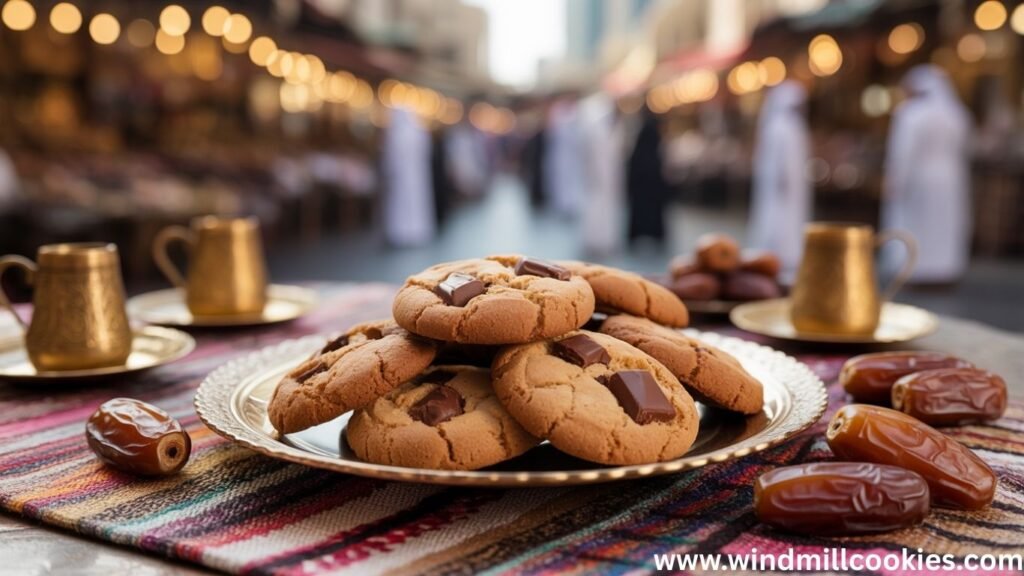
This Dubai chocolate cookies recipe is my go-to when I want something indulgent yet approachable. Serve these cookies warm with Arabic coffee, classic espresso, or a cold glass of milk.
They’re perfect for celebrations, gifting, or quiet evenings when only chocolate will do. If you try them once, they tend to become a repeat bake, and honestly, that’s the best compliment any recipe can get.