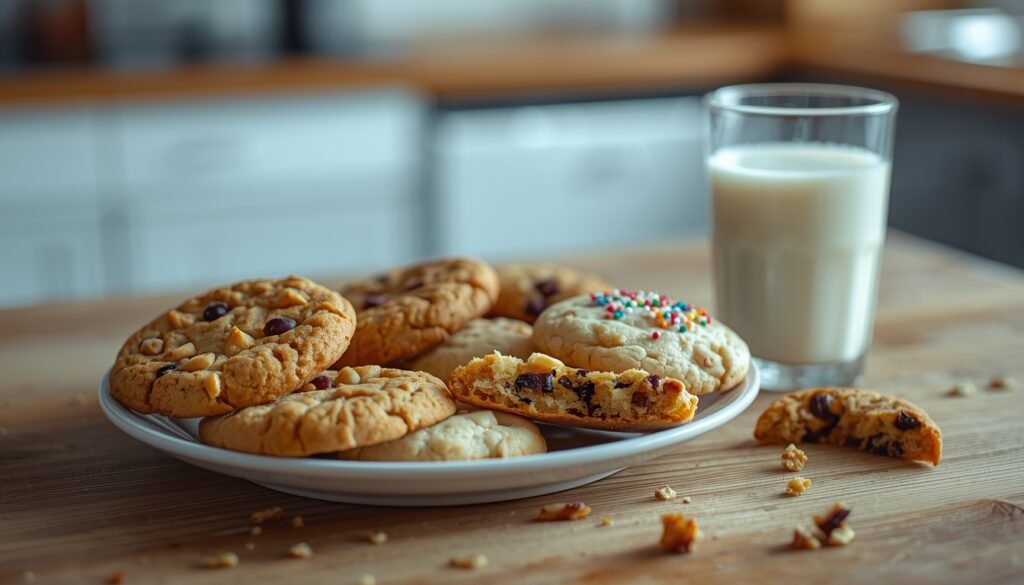

Growing up, cookies were always the first thing baked in my kitchen. Butter creaming with sugar, the smell filling the house, and warm cookies cooling on the counter felt almost sacred.
That routine changed when dairy-free baking became a necessity rather than a choice. Whether it was for family members with milk allergies, friends following a plant-based lifestyle, or readers asking for inclusive recipes, I knew I needed a cookie that didn’t rely on butter—but still tasted like a real cookie.
After many test batches, tweaks, and taste tests, this dairy-free cookie recipe became a staple in my kitchen. It’s the kind of recipe you can trust for everyday baking, holidays, or last-minute cravings.
The cookies are soft in the centre, lightly crisp around the edges, and full of classic cookie flavour—without any milk, butter, or cream. If you’ve ever worried that dairy-free baking means sacrificing taste or texture, this recipe is here to prove otherwise.
What Is a Dairy Free Cookies Recipe?
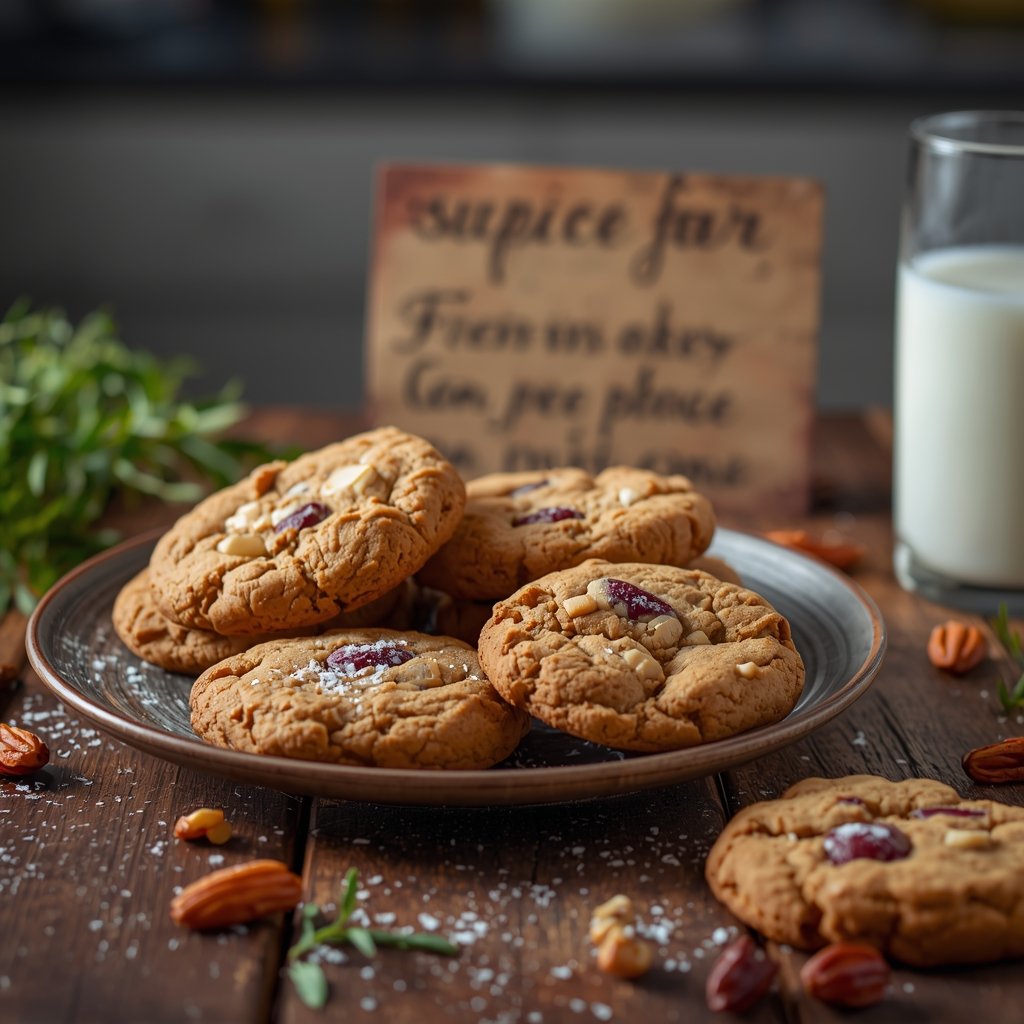
A dairy-free cookie recipe is a cookie recipe made without traditional dairy ingredients such as butter, milk, cream, or whey-based products.
Instead, it uses plant-based fats and liquids to create the same structure, moisture, and flavour you expect from classic cookies.
Dairy-free cookies became more common as awareness of lactose intolerance, milk allergies, and vegan diets increased.
However, dairy-free baking isn’t just about restriction—it’s about smart ingredient swaps. Oils, dairy-free butter alternatives, and plant-based milks can all perform beautifully when used correctly.
Compared to traditional cookies, dairy-free cookies often rely more heavily on brown sugar, eggs, and precise baking times to maintain softness and prevent dryness. When balanced well, they’re nearly indistinguishable from their dairy-based counterparts.
Why You’ll Love This Recipe
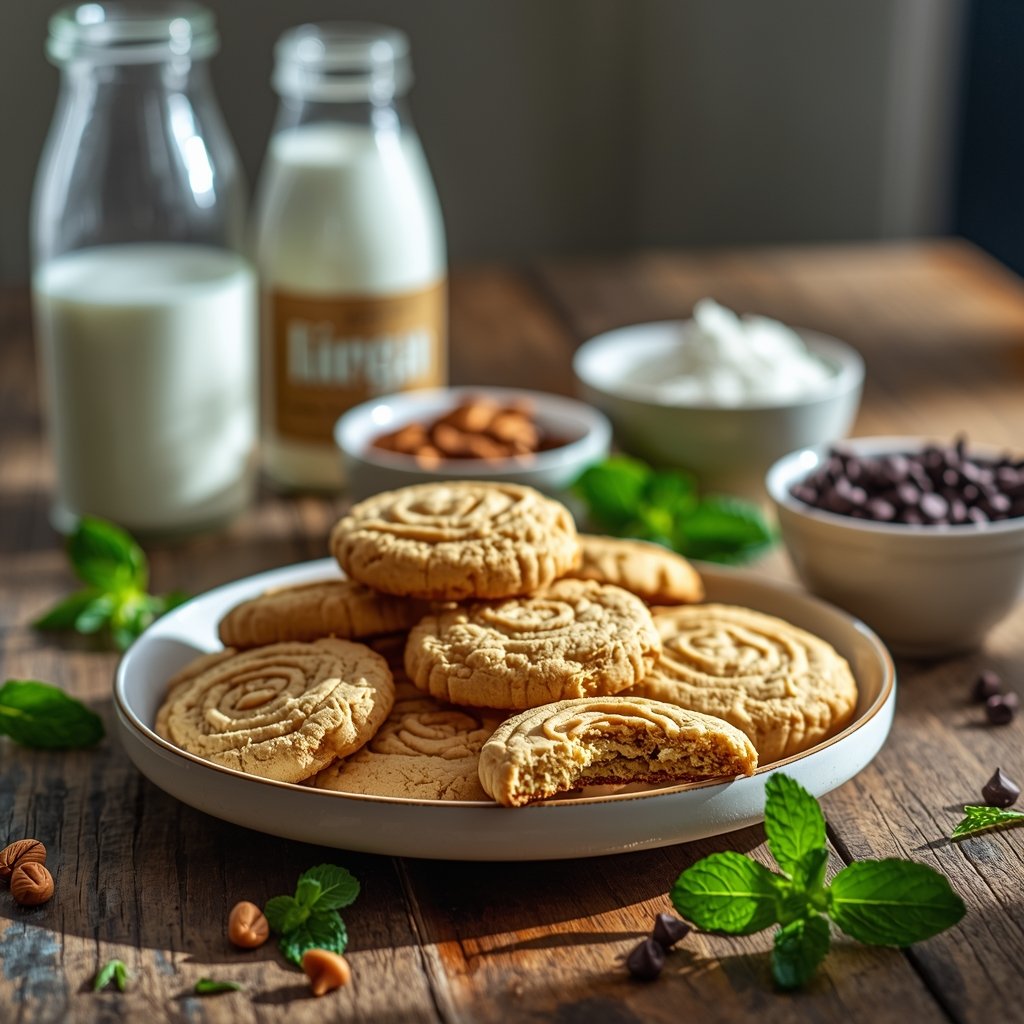
- Soft and chewy texture with golden edges
- Simple pantry ingredients, no speciality items
- Naturally dairy-free and easy to adapt for vegan or gluten-free diets
- One-bowl method for easy cleanup
- Reliable results, even for beginner bakers
- Perfect base for dairy-free chocolate chip cookies or mix-ins
Ingredients Overview
This recipe yields about 18 medium cookies. Each ingredient plays an important role in flavour and texture.
- 1/2 cup refined coconut oil, melted and cooled: Replaces butter and provides richness without a coconut flavour.
- 3/4 cup brown sugar, packed: Adds moisture, chewiness, and depth of flavour.
- 1/4 cup granulated sugar: Helps cookies spread slightly and develop crisp edges.
- 1 large egg, room temperature: Binds the dough and creates structure.
- 1 tablespoon dairy-free milk (almond milk or oat milk): Adds moisture without introducing dairy.
- 1 teaspoon vanilla extract: Enhances sweetness and overall flavour.
- 1 3/4 cups all-purpose flour: Forms the base of the cookie dough.
- 1/2 teaspoon baking soda: Helps cookies rise and spread evenly.
- 1/2 teaspoon salt: Balances sweetness and enhances flavour.
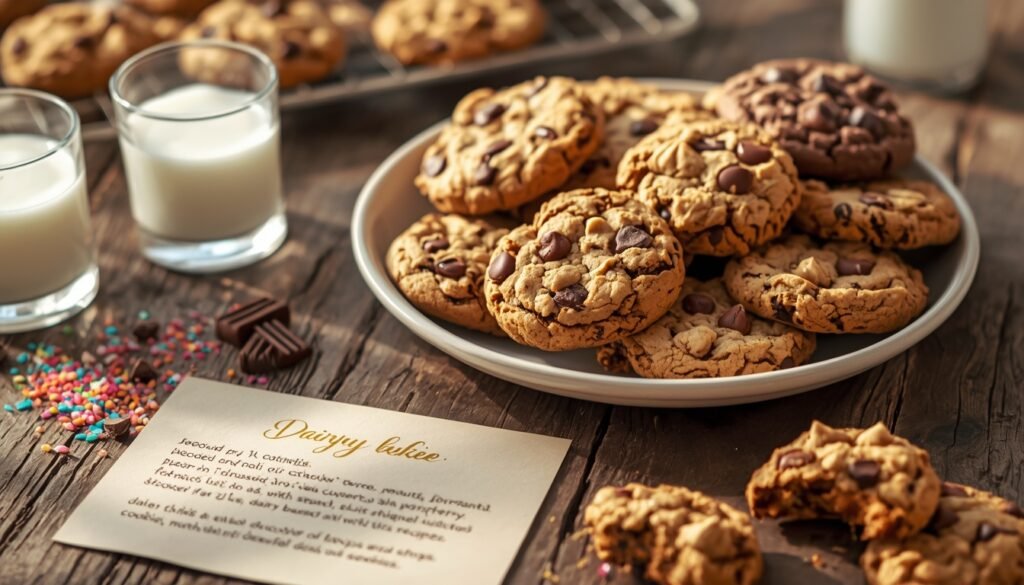
- 3/4 cup dairy-free chocolate chips: Optional but recommended. Use certified dairy-free chocolate.
Ingredient Substitutions
- Vegan option: Replace the egg with a flax egg (1 tablespoon ground flaxseed + 2.5 tablespoons water).
- Gluten-free: Use a 1:1 gluten-free flour blend with xanthan gum.
- Oil substitute: Vegan butter sticks can replace coconut oil in equal amounts.
Step-by-Step Instructions
Preheat the oven
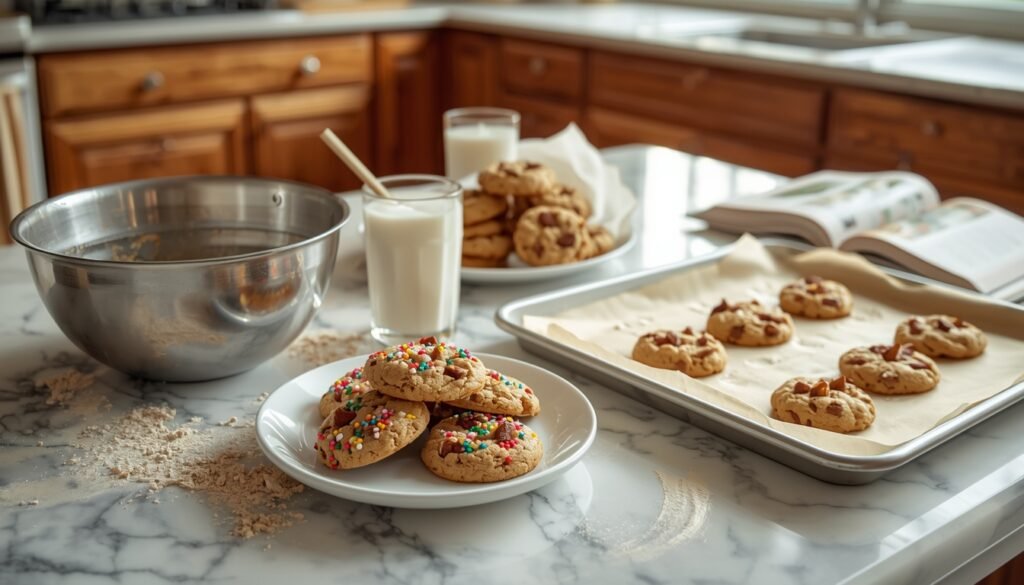
- Preheat your oven to 350°F (175°C). Line a baking sheet with parchment paper.
Mix the sugars and oil
- In a large mixing bowl, whisk together the melted coconut oil, brown sugar, and granulated sugar until smooth and glossy.
Add wet ingredients
- Whisk in the egg, dairy-free milk, and vanilla extract until fully combined.
Incorporate dry ingredients
- Add the flour, baking soda, and salt directly into the bowl. Stir gently until a soft cookie dough forms.
Fold in mix-ins
- Stir in the dairy-free chocolate chips or other add-ins.
Portion the dough
- Scoop tablespoon-sized portions and place them 2 inches apart on the baking sheet.
Bake
- Bake for 10–12 minutes, until the edges are set aand centreslook slightly underbaked.
Cool
- Let cookies cool on the baking sheet for 5 minutes before transferring to a wire rack.
Expert Tips for Best Results
- Do not overbake. Dairy-free cookies continue to firm up as they cool. Soft centres are ideal.
- Measure flour accurately. Too much flour leads to dry, crumbly cookies.
- Use refined coconut oil. Unrefined oil will add a noticeable coconut flavour.
- Room-temperature egg matters. Cold eggs can cause the oil to solidify unevenly.
- Let the dough rest briefly if it appears oily; this helps the flour hydrate properly.
Variations & Substitutions
- Vegan dairy-free cookies: Use a flax egg and dairy-free chocolate chips.
- Sugar-free cookies: Replace sugars with a baking-friendly monk fruit sweetener.
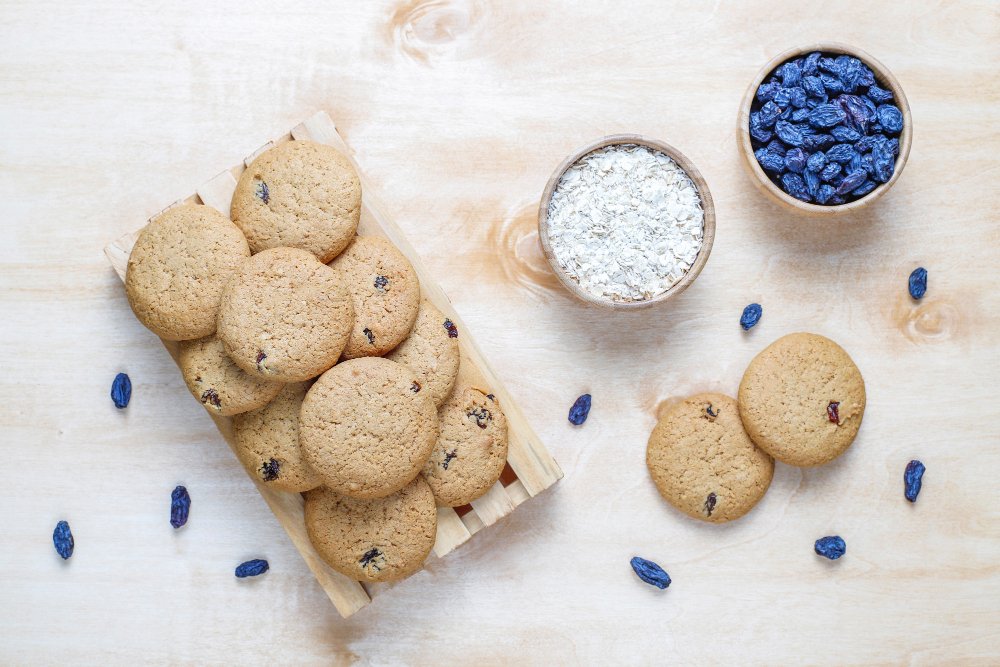
- Oatmeal cookies: Replace 1/2 cup of flour with rolled oats.
- Nut-free option: Skip nut-based milks and use oat milk instead.
- Crispy dairy-free cookies: Bake for an extra 1–2 minutes and flatten dough slightly.
Storage & Make-Ahead Instructions
- Room temperature: Store baked cookies in an airtight container for up to 4 days.
- Refrigeration: Dough can be refrigerated for up to 48 hours before baking.
- Freezing baked cookies: Freeze fully cooled cookies for up to 2 months.
- Freezing dough: Scoop dough into balls, freeze solid, and bake directly from frozen with 1–2 extra minutes.
Frequently Asked Questions (FAQ)
Are dairy-free cookies healthier than regular cookies?
Dairy-free cookies are not necessarily lower in calories, but they are suitable for people with dairy allergies or lactose intolerance.
Can I make thisdairy-freee cookies recipe vegan?
Yes. Use a flax egg instead of a regular egg and ensure all ingredients are certified vegan.
Why are my dairy-free cookies dry?
Dry cookies usually result from overbaking or using too much flour.
What is the best butter substitute for dairy-free cookies?
Refined coconut oil and vegan butter sticks provide the best texture and flavour.
Can I freeze dairy-free cookie dough?
Yes. Portion the dough, freeze solid, and bake directly from frozen.
Do dairy-free cookies spread more than regular cookies?
They can, depending on the fat used. Accurate flour measurement helps control spreading.
Final Thoughts & Serving Suggestions
This dairy free cookies recipe is proof that you don’t need butter or milk to bake cookies that feel comforting, familiar, and indulgent. These cookies are perfect for school lunches, holiday trays, casual gatherings, or quiet evenings with a cup of tea.
Serve them warm, pair them with a glass of dairy-free milk, or crumble them over dairy-free ice cream for an easy dessert. Once you try this recipe, it’s likely to become your go-to whenever you need reliable, crowd-pleasing dairy-free cookies.