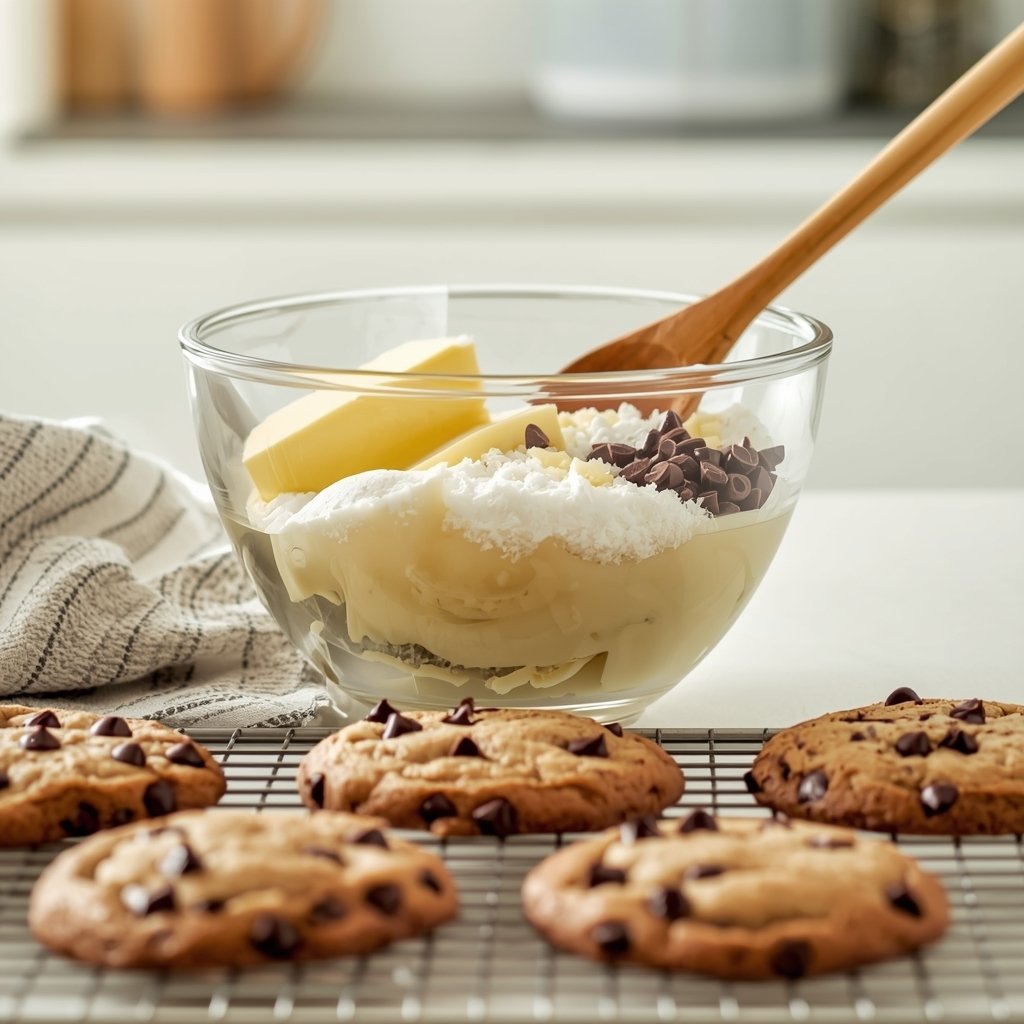

When I first started baking, I believed brown sugar was essential for chocolate chip cookies. It seemed impossible to get that classic chewy texture without it.
But after testing several batches and adjusting the ratios, I discovered a simple truth: you can make delicious, soft, and flavorful cookies using only granulated sugar.
This Choc Chip Cookie Recipe Without Brown Sugar is designed for everyday baking, especially when you’re short on pantry supplies or want a lighter, cleaner sweetness.
The key is balancing the ingredients and using the right technique, creaming butter and sugar properly, measuring flour accurately, and baking just long enough for soft centres.
The result is a cookie with crisp edges, tender middles, and plenty of chocolate in every bite. Whether you’re a beginner or a seasoned baker, this recipe is reliable and easy to follow.
What Is a Choc Chip Cookie Recipe Without Brown Sugar?
A chocolate chip cookie recipe without brown sugar is exactly what it sounds like: a chocolate chip cookie made with only white (granulated) sugar instead of brown.
While traditional recipes rely on brown sugar for moisture and caramel notes, this version adjusts technique and ratios to achieve excellent texture and flavour without it.
Historically, early chocolate chip cookies were often made with white sugar alone, resulting in crisp exteriors and tender centres. Modern recipes leaned toward brown sugar for chewiness, but that doesn’t mean it’s essential.
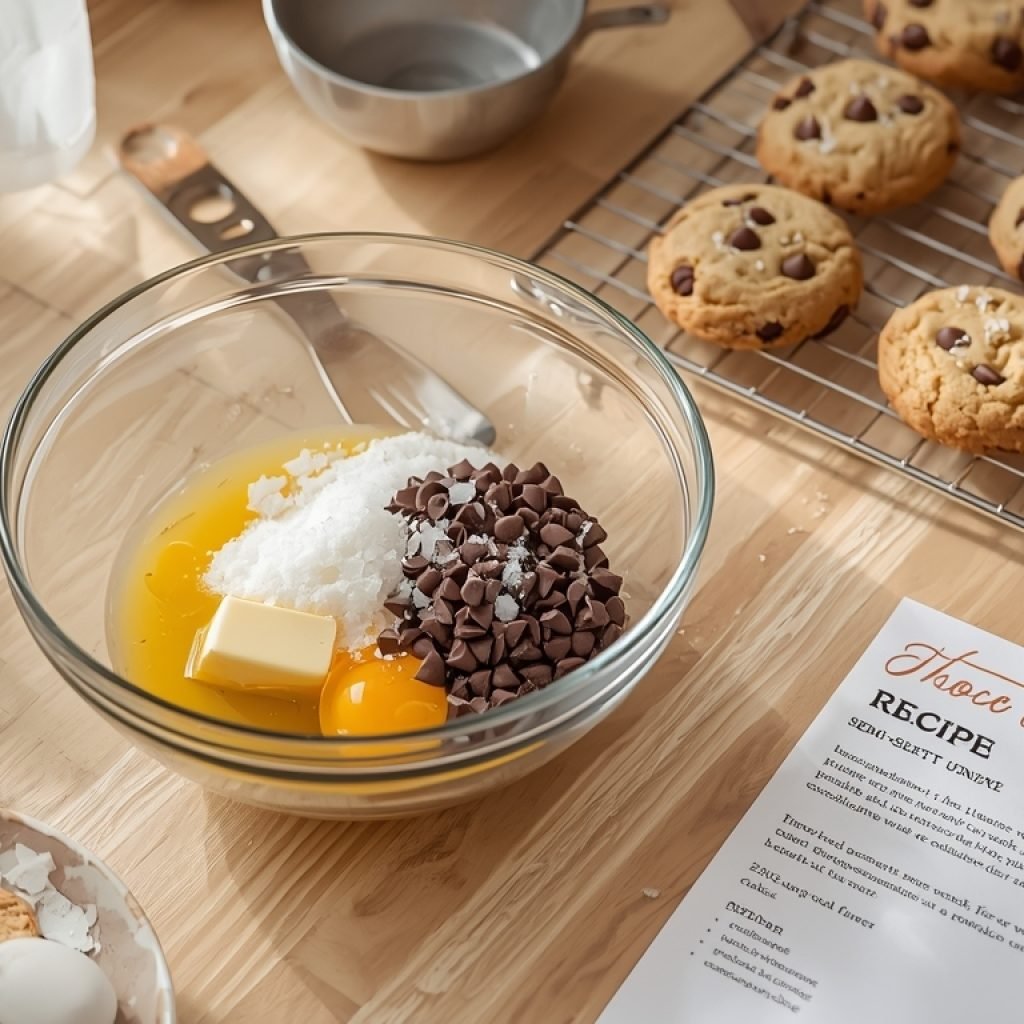
The key difference in cookies without brown sugar is:
- Slightly lighter color
- Cleaner, less caramel-heavy sweetness
- More emphasis on butter and vanilla flavour
- Crisp edges with a soft, bakery-scented
When balanced correctly, these cookies are every bit as satisfying as classic versions.
Why You’ll Love This Recipe
- No brown sugar required
- Simple pantry ingredients
- Soft centres with lightly crisp edges
- Rich chocolate flavour that stands out
- Easy to make in one bowl
- Adaptable for dairy-free or gluten-free diets
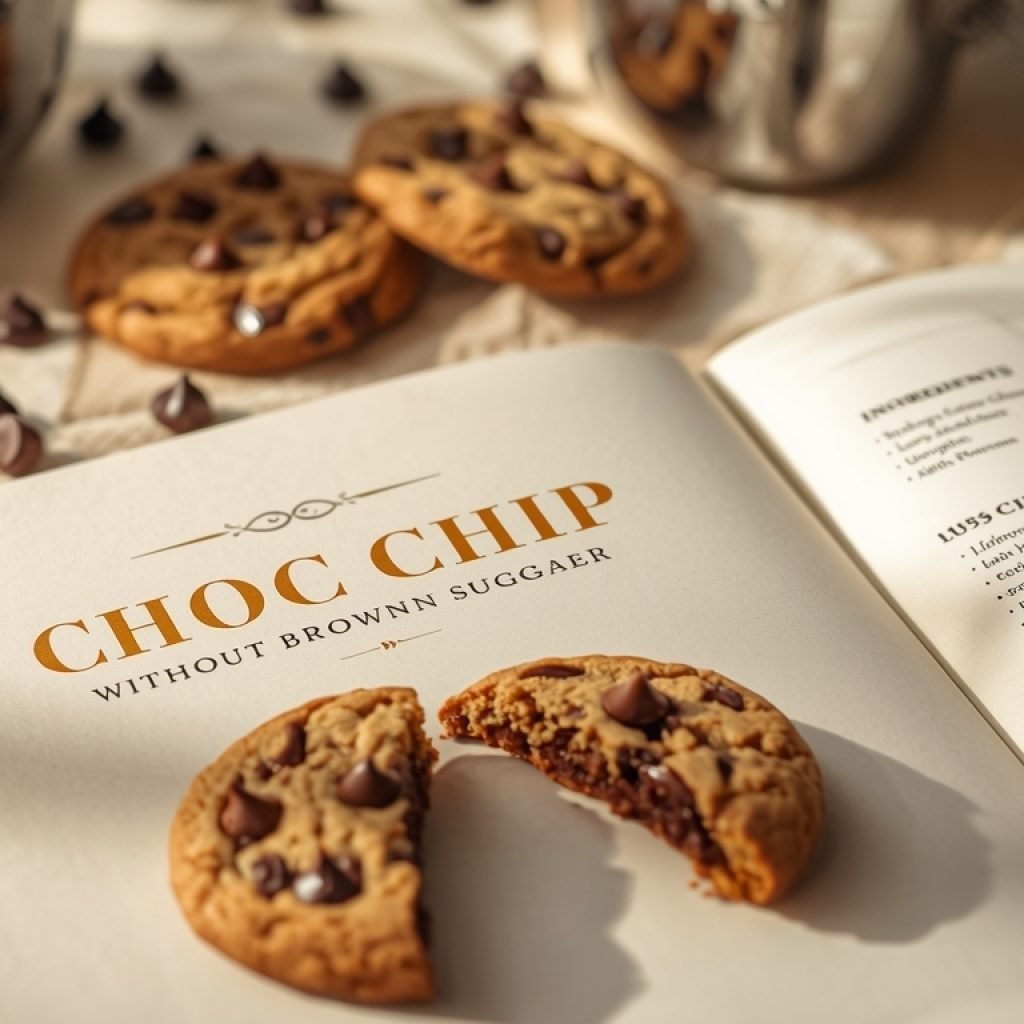
Ingredients Overview
This recipe makes about 20 medium cookies.
- 3/4 cup granulated sugar: Provides sweetness and helps create crisp edges.
- 1/2 cup unsalted butter, softened: Adds richness and classic cookie flavour. Use dairy-free butter if needed.
- 1 large egg, room temperature: Binds the dough and gives structure.
- 1 teaspoon vanilla extract: Enhance flavour and balance sweetness.
- 1 3/4 cups all-purpose flour: Forms the base of the cookie dough.
- 1/2 teaspoon baking soda: Helps cookies rise slightly and spread evenly.
- 1/2 teaspoon salt: Balances sweetness and intensifies chocolate flavour.
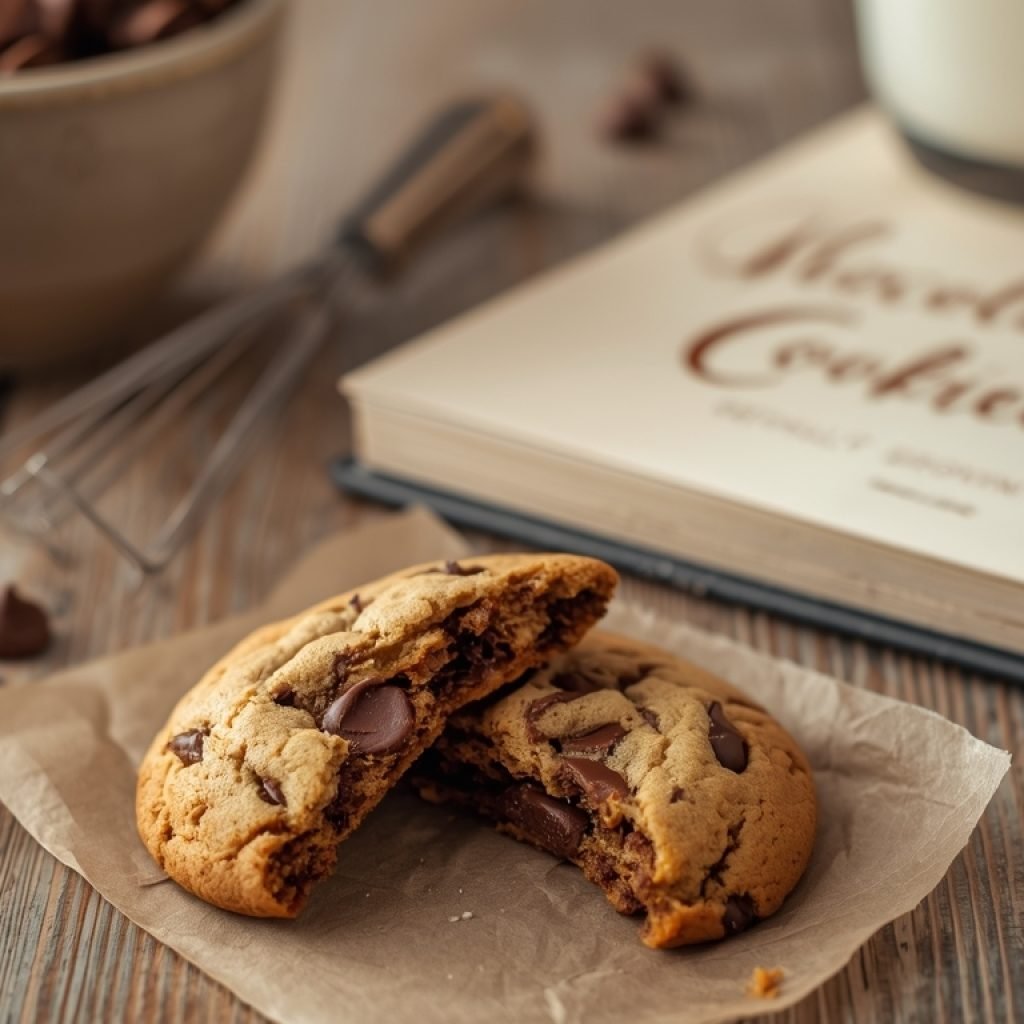
- 1 cup chocolate chips or chunks: Semi-sweet or milk chocolate both work well.
Ingredient Substitutions
- Dairy-Free Cookies: Use plant-based butter and dairy-free chocolate chips.
- Gluten-free: Use a 1:1 gluten-free baking flour with xanthan gum.
- Egg-free: Substitute with 1 flax egg (results will be slightly softer).
Step-by-Step Instructions
Preheat the Oven
Before you begin baking, preheat your oven to 350°F (175°C). This step is essential for even baking and a consistent texture, especially for cookies. Starting with a fully heated oven ensures the dough sets properly, helping the cookies spread just enough while keeping the centres soft.
Ingredients used in this step:
- None directly, but this temperature is calibrated for a standard cookie dough made with 1¾ cups all-purpose flour, ½ cup butter, and ¾ cup sugar.
Allow the oven to preheat for at least 10–15 minutes. While the oven heats, line your baking sheet with parchment paper to prevent sticking and promote even browning. Skipping proper preheating can lead to unevenly baked cookies or flat results.
Cream Butter and Sugar
In a large mixing bowl, add ½ cup unsalted butter (softened) and ¾ cup granulated sugar. Using a hand mixer or stand mixer, beat them together on medium speed for 2–3 minutes. The mixture should turn pale, light, and fluffy.
This step is crucial because proper creaming incorporates air into the dough, which helps the cookies bake evenly and prevents them from becoming dense.
Make sure the butter is at room temperature, not melted, so it blends smoothly with the sugar. Scrape down the sides of the bowl once or twice to ensure even mixing. Well-creamed butter and sugar create the foundation for soft centres and lightly crisp cookie edges.
Add Egg and Vanilla
Once the butter and sugar are properly creamed, add 1 large egg (room temperature) and 1 teaspoon vanilla extract to the bowl. Mix on low to medium speed until the ingredients are fully combined, and the mixture looks smooth and cohesive.
The egg provides structure and moisture, while the vanilla enhances the overall flavour of the cookies without overpowering the chocolate.
Using a room-temperature egg is important because it blends more evenly into the butter mixture, preventing separation. Stop mixing as soon as everything is incorporated, and scrape down the sides of the bowl if needed. Overmixing at this stage can affect the final cookie texture, so keep it gentle and controlled.
Combine Dry Ingredients
In a separate bowl, add 1¾ cups all-purpose flour, ½ teaspoon baking soda, and ½ teaspoon salt. Whisk these dry ingredients together until evenly combined. This step ensures the leavening agent and salt are distributed uniformly throughout the flour, which helps the cookies bake evenly and develop a balanced flavour.
Whisking also breaks up any small clumps in the flour, resulting in a smoother cookie dough. Take a moment to measure each ingredient accurately, as too much flour can make the cookies dry and dense.
Once mixed, the dry ingredients are ready to be added gradually to the wet mixture, allowing the dough to come together evenly without overmixing.
Mix Dough
With the wet ingredients ready, gradually add the prepared dry mixture made from 1¾ cups all-purpose flour, ½ teaspoon baking soda, and ½ teaspoon salt into the bowl.
Mix on low speed or gently fold with a spatula until a soft, cohesive dough forms. Stop mixing as soon as no dry flour remains visible. At this stage, the dough should be smooth and slightly thick, not sticky or crumbly.
Avoid overmixing, as this can develop excess gluten and lead to tough cookies. If needed, scrape down the sides of the bowl to ensure everything is evenly incorporated. Properly mixed dough creates a balanced texture that bakes into tender cookies with consistent structure.
Fold in Chocolate Chips
Once the dough is fully mixed, gently fold in 1 cof up chocolate chips or chocolate chunks using a spatula or wooden spoon. Stir slowly and evenly so the chocolate is well distributed throughout the dough without overworking it.
This gentle folding helps maintain a soft cookie texture while ensuring every bite has plenty of chocolate. Choose high-quality semi-sweet or milk chocolate chips for the best flavour balance.
If the dough feels too stiff, let it rest for a minute before folding to make mixing easier. Avoid using a mixer at this stage, as it can break the chocolate pieces and overmix the dough. Even distribution is key to consistent baking and rich chocolate flavour.
Scoop the Dough
Using a cookie scoop or tablespoon, portion the dough into even rounds, about 1½ tablespoons of dough per cookie. This amount is based on a dough made with 1¾ cups all-purpose flour and 1 cup chocolate chips, ensuring uniform size and even baking.
Place each dough ball on a parchment-lined baking sheet, leaving 2 inches of space between cookies to allow for spreading. For a more polished look, roll the dough lightly between your palms before placing it on the tray.
Keeping the cookie sizes consistent helps them bake at the same rate, preventing some cookies from overbaking while others remain underdone. If the dough feels too soft, chill it for 10 minutes before scooping.
Bake
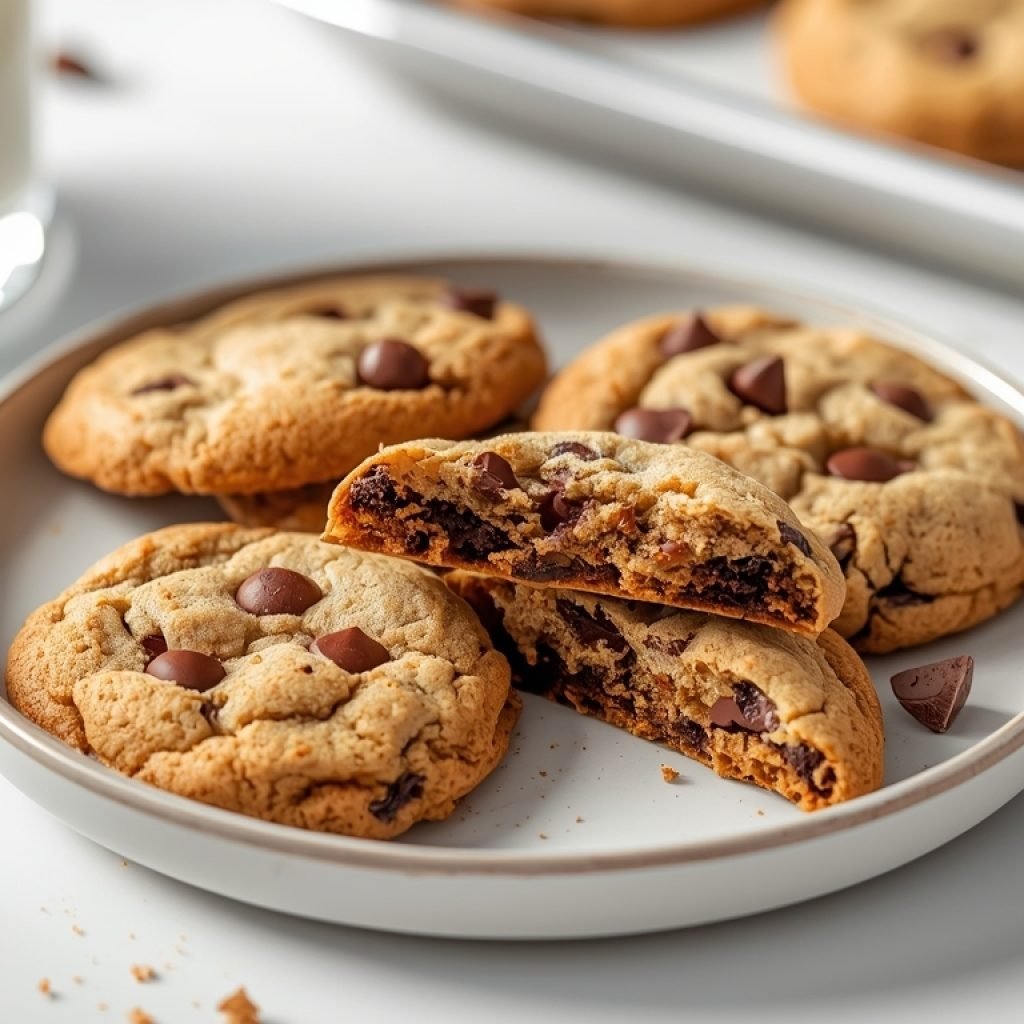
Place the baking sheet into the preheated oven set to 350°F (175°C). Bake the cookies for 10–12 minutes, based on a standard dough made with 1¾ cups all-purpose flour, ½ cup butter, and ¾ cup sugar. During baking, the edges should turn lightly golden while the centres remain soft and slightly pale.
Avoid baking until the cookies look fully set, as they will continue to firm up while cooling. Rotate the baking sheet halfway through if your oven heats unevenly.
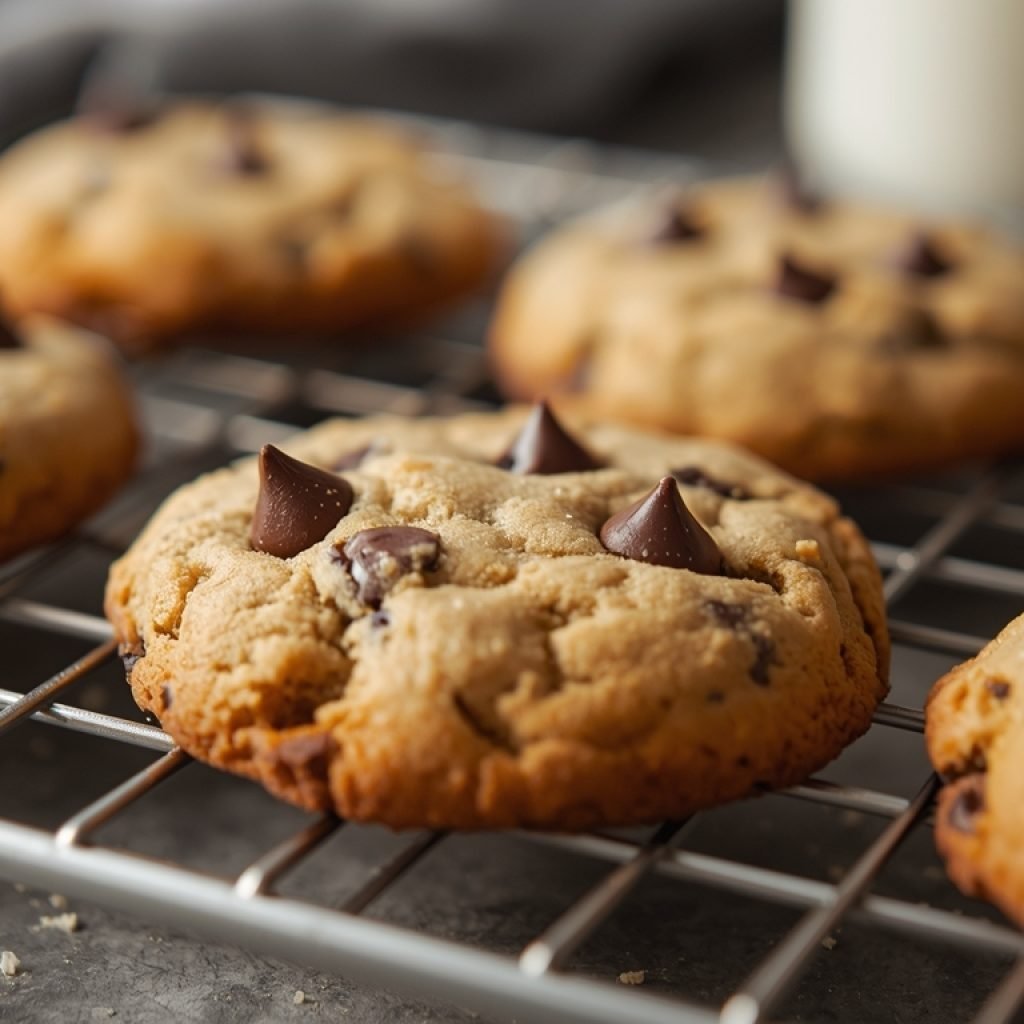
Once baked, remove the tray from the oven and let the cookies rest on the baking sheet for a few minutes before transferring them to a wire rack. This step ensures tender centres and prevents overbaking.
Cool
After baking, let the cookies rest on the baking sheet for 5 minutes before moving them. This step is important because the dough made with 1¾ cups all-purpose flour, ½ cup butter, and 1 cup chocolate chips continues to set as it cools.
Moving them too soon can cause the cookies to break or lose shape. After the initial rest, transfer the cookies to a wire rack to cool completely.
Cooling on a rack allows air to circulate the cookies, preventing them from becoming soggy on the bottom. Once cooled, the cookies should feel firm at the edges with soft, chewy centres, ready to enjoy or store.
Expert Tips for Best Results
- Cream the butter well. This replaces the moisture usually provided by brown sugar.
- Do not overbake. Cookies without brown sugar firm up quickly as they cool.
- Use room-temperature butter and egg. This ensures proper mixing and texture.
- Slightly underbake for softness. Pale centres mean tender cookies.
- Rest the dough for 10 minutes if it feels too soft; this helps prevent spreading.
Common mistakes include skipping the creaming step, adding too much flour, or baking until fully golden.
Variations & Substitutions
- Crispy chocolate chip cookies: Bake for an extra 2 minutes and flatten the dough slightly.
- Chewier texture: Add 1 tablespoon of honey or maple syrup (optional).
- Chunky bakery-style cookies: Use chocolate chunks and chill the dough for 30 minutes.
- Nutty version: Add 1/2 cup chopped walnuts or pecans.
- Vegan version: Use dairy-free butter, flax egg, and vegan chocolate chips.
Storage & Make-Ahead Instructions
- Room temperature: Store baked cookies in an airtight container for up to 4 days.
- Refrigeration: Dough can be refrigerated for up to 48 hours before baking.
- Freezing dough: Scoop dough balls, freeze solid, and bake from frozen with 1–2 extra minutes.
- Freezing baked cookies: Freeze fully cooled cookies for up to 2 months.
Frequently Asked Questions (FAQ)
Can you make chocolate chip cookies without brown sugar?
Yes. A choc chip cookie recipe without brown sugar works well when butter is properly creamed and baking time is controlled.
Do cookies without brown sugar taste different?
They have a lighter sweetness and less caramel flavour, allowing the chocolate to stand out more.
Why are my cookies hard without brown sugar?
Overbaking or too much flour is usually the cause. Remove cookies whilecentress are still soft.
Can I replace brown sugar with white sugar in equal amounts?
Yes, but the texture will be slightly different. This recipe is balanced specifically for white sugar.
Are cookies without brown sugar less chewy?
They can be slightly less chewy, but proper creaming and baking time help maintain softness.
Can I chill the dough?
Yes. Chilling helps control spreading and enhances flavour.
Final Thoughts & Serving Suggestions
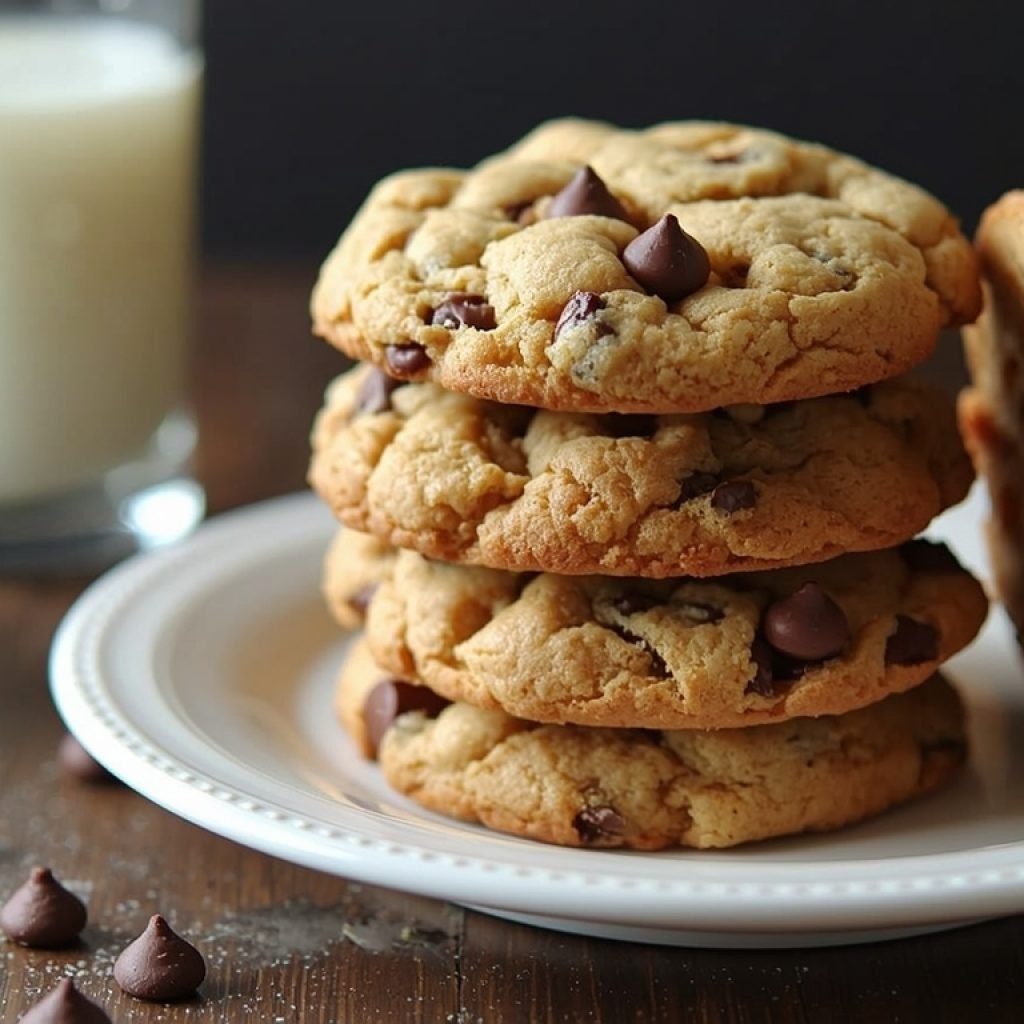
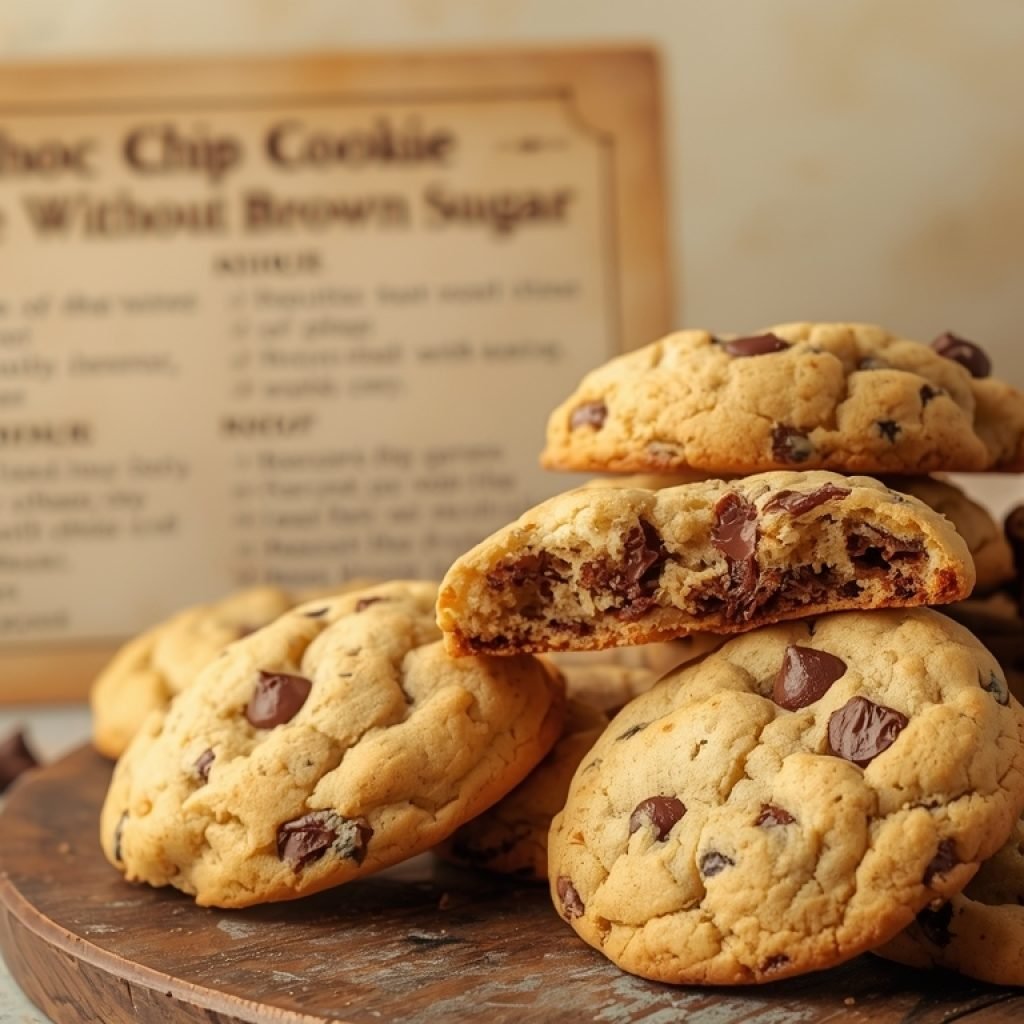
This choc chip cookie recipe without brown sugar proves that you don’t need a fully stocked pantry to bake incredible cookies. With simple ingredients and the right technique, these cookies deliver everything you want softcentress, crisp edges, and rich chocolate flavour.
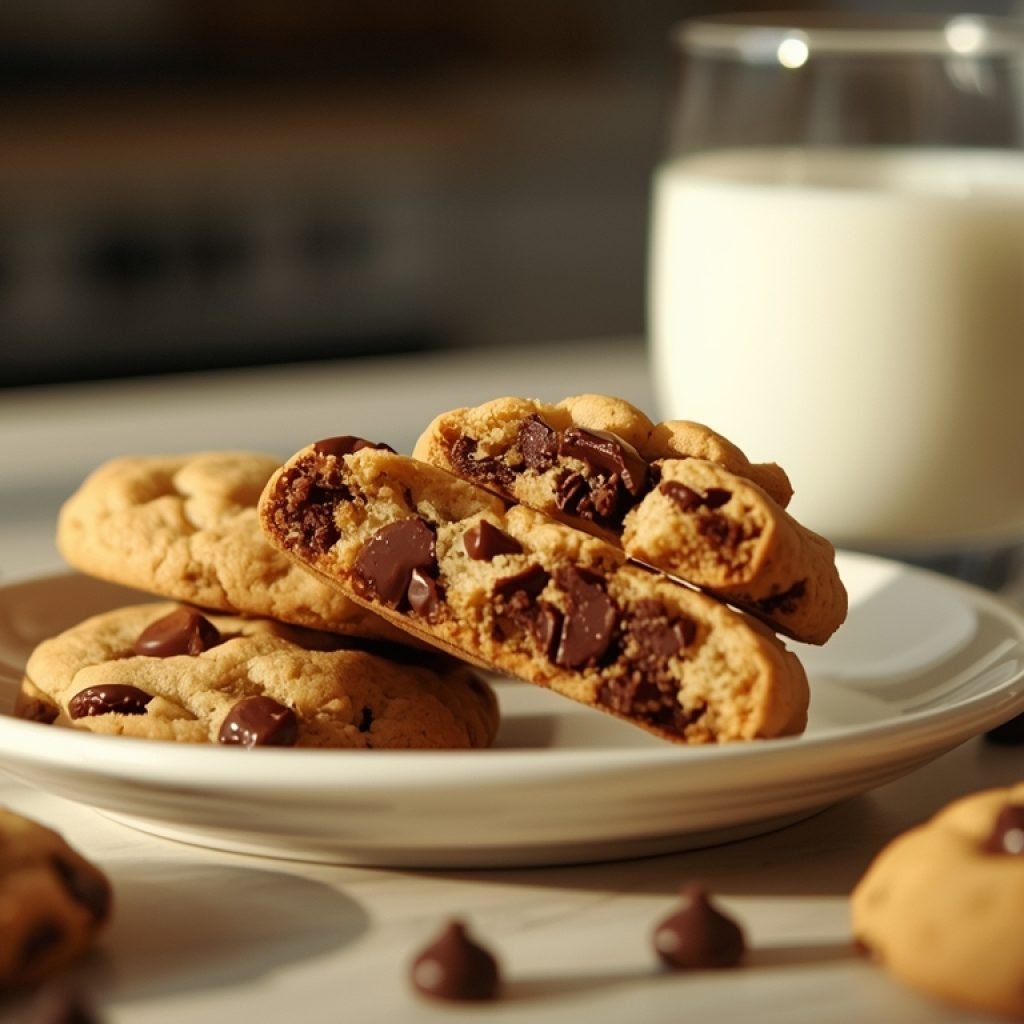
Serve them warm with a glass of milk, pack them into lunchboxes, or add them to holiday cookie trays when brown sugar is nowhere to be found. Once you try this recipe, you’ll realise that sometimes the simplest versions are the most dependable and just as delicious.