
The first time I asked myself, ” Can you use bread flour for cookie recipes, it wasn’t part of some grand baking plan. I was halfway through a weekend baking session, craving chocolate chip cookies, when I realized I was completely out of all-purpose flour. What did I have? A big bag of bread flour from my sourdough phase.
Instead of running to the store, I did what most curious home bakers do: I experimented. What came out of the oven surprised me in the best way: thicker cookies, deeply chewy centers, and a bakery-style bite that felt intentional, not accidental.
This article is everything I’ve learned since then. We’ll talk about what happens when you use bread flour in cookies, why it works, when it doesn’t, and how to adjust your technique so your cookies turn out amazing every single time.
What “Can You Use Bread Flour for Cookie Recipes”?
At its core, this question is about flour protein content and texture.
Bread flour is a high-protein wheat flour, typically containing 12–14% protein, compared to all-purpose flour’s 10–11%. That extra protein forms more gluten, which directly affects how cookies spread, rise, and chew.
How Bread Flour Differs From Other Cookie Flours
- Bread flour vs all-purpose flour: Bread flour forms stronger gluten networks, resulting in chewier cookies.
- Bread flour vs cake flour: Cake flour has very low protein and produces soft, tender cookies.
- Bread flour vs pastry flour: Pastry flour sits in the middle, offering mild structure without chew.
Using bread flour for cookies isn’t traditional, but it’s a technique many professional bakers use deliberately,, ly especially for thick cookies, chewy chocolate chip cookies, and bakery-style cookies.
Why You’ll Love Using Bread Flour in Cookies
If you enjoy cookies with substance, this method might become your new favorite.
- Extra chewy texture without underbaking
- Thicker cookies with less spreading
- Bakery-style structure and bite
- Works beautifully for chocolate chip and brown butter cookies
- Simple swap, no specialty ingredients needed
Bread flour cookies feel intentional and elevated, especially when paired with rich mix-ins like chocolate chunks or nuts.
Ingredients Overview
This recipe is designed specifically to answer the question: Can you use bread flour for cookie recipes and prove that the answer is yes?
Basic Bread Flour Cookie Dough
- 2 ¼ cups (280 g) bread flour: Provides structure and chew
- ¾ cup (150 g) granulated sugar: Encourages spreading and crisp edges
- ¾ cup (165 g) brown sugar: Adds moisture and deep caramel flavor
- ¾ cup (170 g) unsalted butter, melted and cooled: Enhances chew and richness
- 1 large egg + 1 egg yolk (room temperature): Extra yolk boosts tenderness
- 1 teaspoon vanilla extract: Balances sweetness
- ¾ teaspoon baking soda: Helps cookies rise without cakiness
- ¾ teaspoon fine sea salt: Essential for flavor contrast
- 1 ½ cups (255 g) chocolate chips or chunks: Semi-sweet works best
Optional Substitutions
- Dairy-free: Use vegan butter sticks
- Vegan: Replace eggs with flax eggs (texture will be slightly softer)
- Gluten-free Cookies: Bread flour cannot be swapped directly; use a gluten-free bread flour blend designed for yeast baking
Step-by-Step Instructions
How to Make Cookies With Bread Flour
Mix Sugars and Butter
Start by adding ¾ cup (150 g) granulated sugar and ¾ cup (165 g) brown sugar to a large mixing bowl. Pour in ¾ cup (170 g) melted, cooled unsalted butter. Using a whisk or spatula, mix until the texture looks smooth, glossy, and slightly thick.
This step is crucial for building deep flavor, perfect sweetness balance, and that bakery-style chew everyone loves.
Take your time here. Properly mixing sugars and butter helps dissolve sugar crystals evenly, preventing gritty cookies. The mixture should look cohesive and rich, not separated.
A well-mixed base sets the foundation for thick cookies, even baking, and professional-quality results every time.
Add Eggs and Vanilla
Crack 1 large egg and add 1 extra egg yolk, both at room temperature, to the sugar and butter mixture. Pour in 1 teaspoon vanilla extract.
Whisk gently until the mixture becomes smooth, creamy, and fully blended. This step builds rich structure, soft texture, and a luxurious mouthfeel in the final cookies.
The extra yolk adds moisture and depth, helping create thick, chewy centers without dryness. Mixing slowly prevents excess air, which keeps cookies dense and bakery-style rather than cakey.
When done right, the mixture should look silky and cohesive. This simple step locks in flavor balance and sets the stage for consistently perfect cookies.
Combine Dry Ingredients
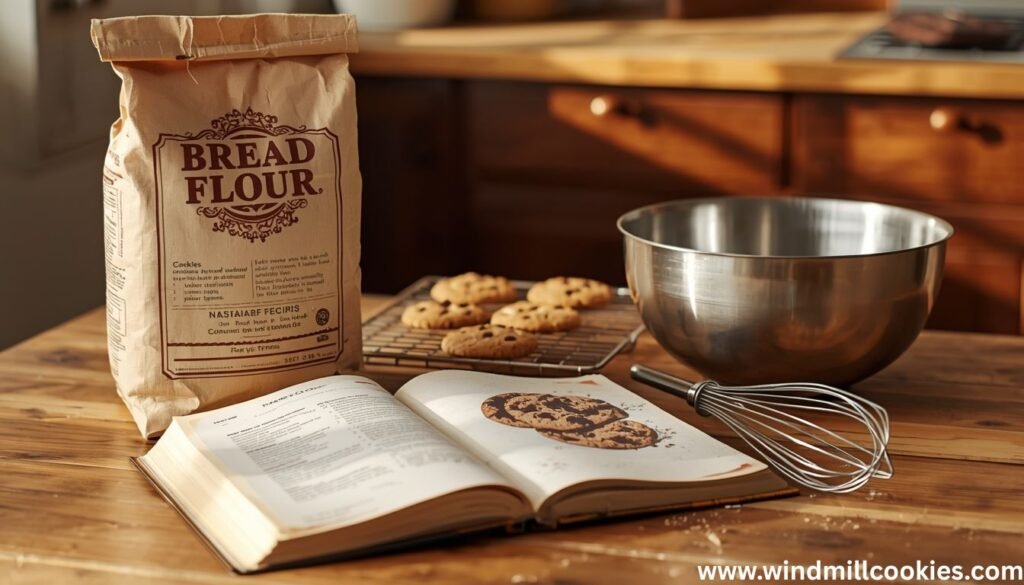
In a separate bowl, add 2 ¼ cups (280 g) bread flour, ¾ teaspoon baking soda, and ¾ teaspoon fine sea salt. Whisk gently until everything is evenly distributed. This quick step ensures a consistent rise, balanced flavor, and even texture throughout the cookies.
Bread flour brings strength and chew, so proper mixing matters. Evenly blending the leavening prevents uneven spread or dense spots.
Take a moment to break up any flour clumps for a smooth finish. Well-combined dry ingredients create a stable dough base, helping your cookies bake evenly with thick centers, clean edges, and reliable, bakery-quality results every time.
Form the Dough
Gradually add the dry mixture into the wet ingredients, using a spatula to fold gently. At this stage, you are combining 2 ¼ cups (280 g) of bread flour, ¾ teaspoon of baking soda, and ¾ teaspoon of salt with the butter, sugar, and egg mixture.
Mix just until no dry streaks remain. The dough should look thick, soft, and slightly glossy. Avoid overmixing. Bread flour develops gluten quickly, and too much mixing can lead to tough cookies.
Gentle folding creates perfect structure, chewy texture, and bakery-style thickness. A properly formed dough ensures even baking, controlled spread, and consistently rich, professional-quality cookies.
Add Chocolate
Fold in 1 ½ cups (255 g) of chocolate chips or chocolate chunks using a spatula. Gently distribute the chocolate throughout the dough so every scoop delivers rich flavor and even bites.
This step transforms a simple dough into a bakery-style cookie base loaded with indulgence.
Work slowly and stop as soon as the chocolate is evenly mixed. Overworking the dough at this stage can affect texture, especially when using bread flour.
Balanced chocolate placement ensures consistent melt, bold taste, and perfect pockets of chocolate in every cookie. Well-mixed chocolate creates visually appealing cookies with a professional finish and satisfying bite.
Chill the Dough
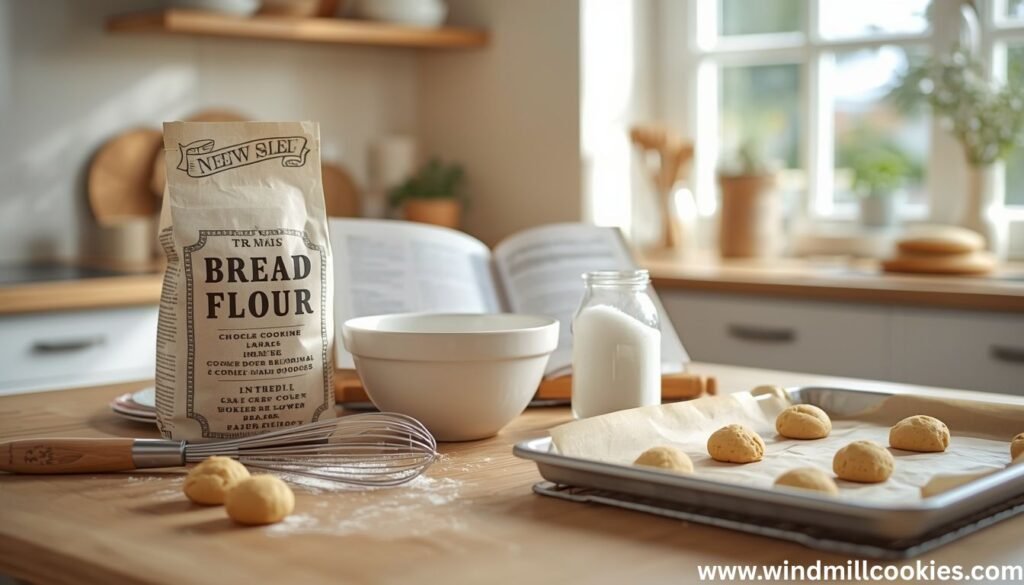
Cover the finished cookie dough and place it in the refrigerator for 30 to 60 minutes. This resting time allows the 2 ¼ cups (280 g) bread flour to fully hydrate and relax, which is essential for controlled spread and perfect chew. Chilling also firms up the butter, helping the cookies hold their shape while baking.
Do not skip this step. Cold dough produces thicker cookies, deeper flavor, and clean edges. As the dough chills, flavors develop and texture improves naturally.
Proper chilling prevents flat cookies and delivers consistent, bakery-quality results with every batch.
Bake
Preheat your oven to 350°F (175°C) and line a baking sheet with parchment paper. Scoop the chilled dough into portions using about 2 tablespoons of dough per cookie, spacing them evenly.
Bake for 11 to 13 minutes, until the edges look set and lightly golden while the centers remain soft.
This baking window is key for thick cookies and chewy centers. Avoid baking until fully firm, as bread flour cookies continue to set while cooling.
Proper timing delivers even baking, rich texture, and a professional bakery finish with crisp edges and soft, satisfying middles.
Cool Properly
Once baked, remove the tray from the oven and let the cookies rest on the baking sheet for 5 minutes. This short cooling time allows the structure formed by 2 ¼ cups (280 g) of bread flour and eggs to set without drying out.
The cookies will finish baking gently from residual heat, locking in soft centers and clean edges.
After resting, transfer the cookies to a wire rack to cool completely. Proper cooling prevents breakage and keeps texture balanced.
Rushing this step can cause spreading or crumbling. Cooling the right way delivers chewy texture, stable shape, and consistent, bakery-quality results every time.
Expert Tips for Best Results
Measure 2 ¼ cups (280 g) bread flour accurately using a scale or spoon-and-level method. Too much flour can make cookies dense.
Always chill the dough for 30–60 minutes to relax the gluten and improve flavor. Use ¾ cup (170 g) melted, cooled butter to control spread while keeping a chewy texture.
Mix gently after adding flour. Overmixing develops excess gluten and leads to toughness. Bake at 350°F (175°C) and remove cookies when centers look soft.
They will set while cooling. For a deeper flavor, let the dough rest overnight. Small details like temperature, timing, and balance create consistent, bakery-quality cookies every time.
- Always chill bread flour cookie dough.
This prevents toughness and improves flavor. - Avoid overmixing
Bread flour develops gluten fast, so mix just until combined. - Use melted butter, not softened
This limits gluten formation while keeping cookies chewy. - Slight underbaking is your friend
Bread flour cookies firm up as they cool.
Common Mistakes to Avoid
- Skipping chill time
- Using too much flour (weigh it if possible)
- Bake until fully firm in the oven
Variations & Substitutions
Customize your cookies with simple tweaks. For brown butter flavor, replace ¾ cup (170 g) melted butter with browned butter for a nutty, deep taste.
Add 1 teaspoon espresso powder to the dough for a chocolate-enhancing twist. Mix in ½ cup toasted walnuts or pecans for crunch and richness.
For dietary adaptations, replace 1 egg + 1 yolk with flax eggs to make them vegan. Swap bread flour with a 50/50 blend of bread flour and all-purpose flour for slightly softer, less chewy cookies.
Use coconut sugar instead of brown sugar for a natural sweetness. These adjustments maintain chewy texture, thick centers, and professional bakery-quality results without compromising flavor.
Flavor Variations
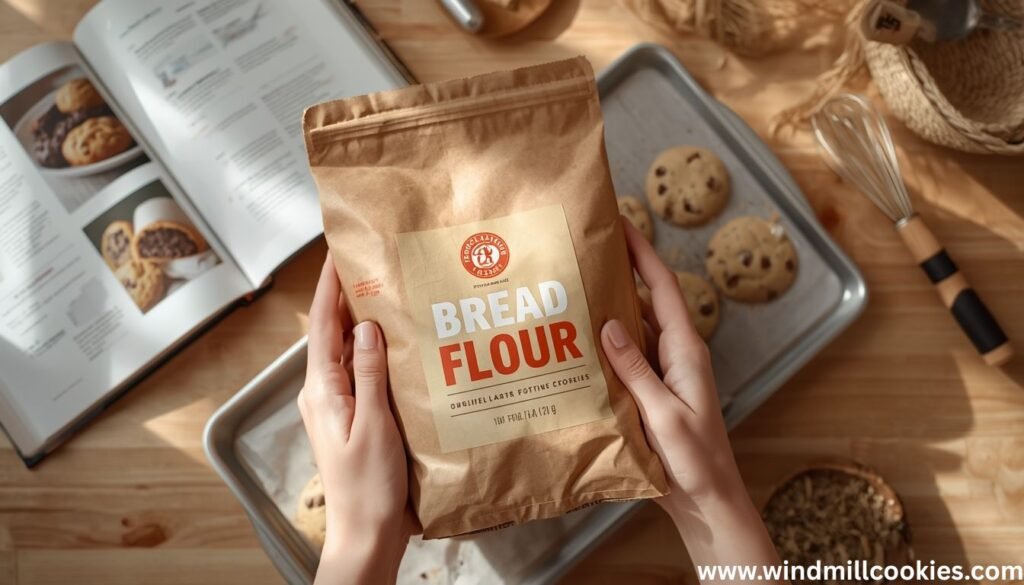
- Brown Butter Bread Flour Cookies: Brown the butter for nutty depth
- Espresso Chocolate Chip: Add 1 teaspoon espresso powder
- Nutty Version: Fold in toasted walnuts or pecans
Dietary Adaptations
- Lower gluten feel: Replace ¼ cup bread flour with cornstarch
- Less chew: Mix bread flour and all-purpose flour 50/50
- No refined sugar: Use coconut sugar (cookies will be darker)
Storage & Make-Ahead Instructions
Room Temperature:
- Store baked cookies in an airtight container for up to 3 days
- Add a slice of bread to keep them soft
Refrigeration:
- Dough can be refrigerated for up to 72 hours
- Flavor improves with time
Freezing:
- Freeze dough balls for up to 2 months
- Bake straight from frozen, adding 1–2 minutes
Frequently Asked Questions
Can you use bread flour for cookie recipes without changing anything?
Technically, yes, but chilling the dough and avoiding overmixingmakes a big difference.
Do bread flour cookies taste different?
The flavor is similar, but the texture is noticeably chewier and thicker.
Are bread flour cookies too tough?
Only if overmixed or overbaked. Proper technique keeps them tender.
Can I mix bread flour and all-purpose flour?
Yes. A 50/50 blend creates balanced cookies with mild chew.
Is bread flour good for chocolate chip cookies?
Absolutely. Many bakery-style chocolate chip cookies rely on higher-protein flour.
Does bread flour make cookies cakey?
No. It increases chew, not cake-like softness.
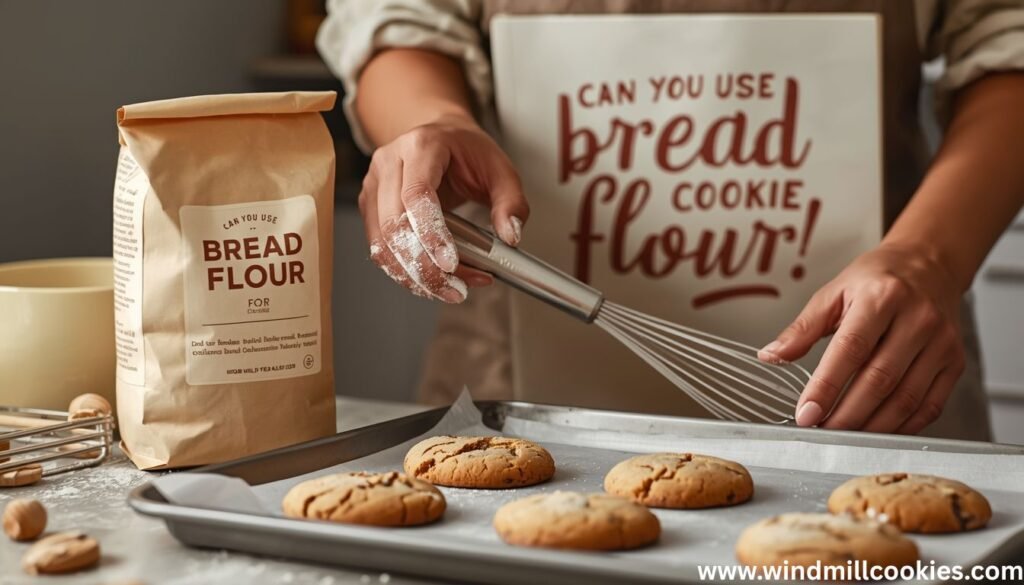
Final Thoughts: Should You Use Bread Flour for Cookie Recipes?
So, can you use bread flour for cookie recipes? Without a doubt, yes. When handled correctly, bread flour creates cookies that are chewy, thick, and deeply satisfying, especially if you love bakery-style results at home.
I serve these cookies slightly warm with a glass of cold milk or strong coffee, and they’re always the first to disappear at gatherings.
Whether you’re experimenting out of necessity or curiosity, bread flour might just become your secret baking weapon.