Ever since I first tasted Florentine cookies during a visit to a quaint Italian café, I’ve been captivated by their delicate crunch and rich, nutty flavor.
These thin, lacy cookies, often coated with a glossy layer of chocolate on one side, feel both elegant and indulgent. Making them at home might sound intimidating, but this Florentine cookie recipe is surprisingly straightforward and perfect for both beginners and seasoned bakers.
Whether you’re serving them at a holiday gathering, gifting them to friends, or just craving a luxurious treat with your afternoon tea, these cookies never disappoint.
Their caramelized nut-and-fruit filling, paired with chocolate, makes them feel special, yet the recipe is simple enough to whip up on a weekday evening.
In this guide, I’ll walk you through every step, from ingredient selection to baking tips, ensuring your florentines turn out crisp, golden, and utterly irresistible.

What Is a Florentine Cookie?
Florentine cookies are thin, chewy-to-crispy almond-based cookies with a delicate lace-like appearance. Traditionally, they include nuts, commonly almonds, mixed with candied fruit and bound together with a caramel-like mixture of sugar, butter, and honey.
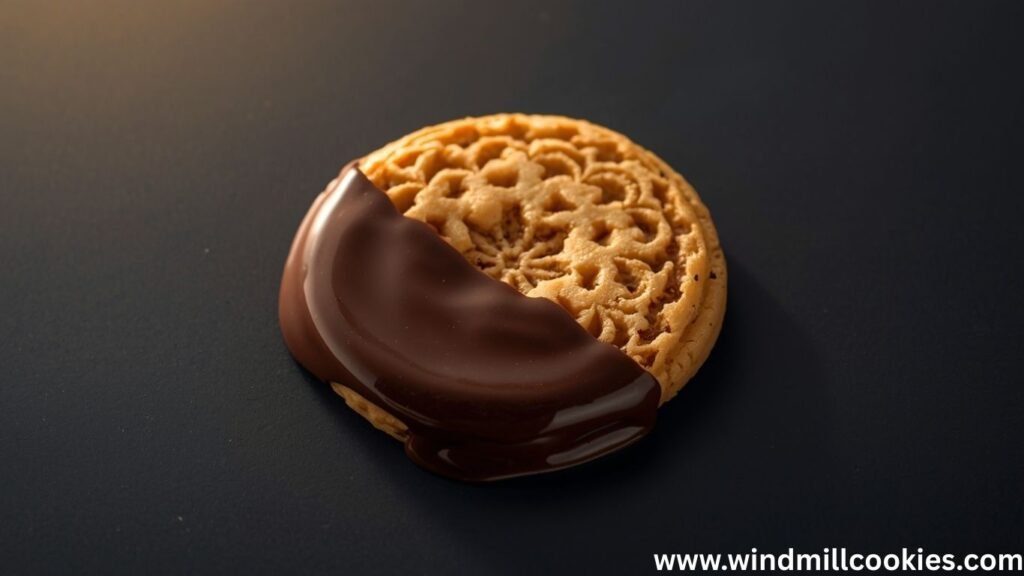
Many Florentines are coated on one side with chocolate, creating a beautiful contrast of textures and flavors.
Originating from Italy, specifically the city of Florence, these cookies differ from other nut-based treats like biscotti or pralines because of their unique caramelization process and delicate crispness.
The result is a translucent, golden cookie that melts in your mouth while offering a subtle crunch from the nuts.
Why You’ll Love Recipe
Here’s why this recipe stands out:
- Delicate Texture: Crispy edges with a chewy, nutty center.
- Rich Flavor: Caramelized nuts and honey create deep, indulgent sweetness.
- Quick & Simple: Minimal ingredients, straightforward steps.
- Customizable: Easily adapted for gluten-free, vegan, or nut-free versions.
- Perfect for Gifts: Elegant appearance makes them ideal for holidays and celebrations.
Ingredients Overview
Here’s what you’ll need to make about 20–24 Florentine cookies:
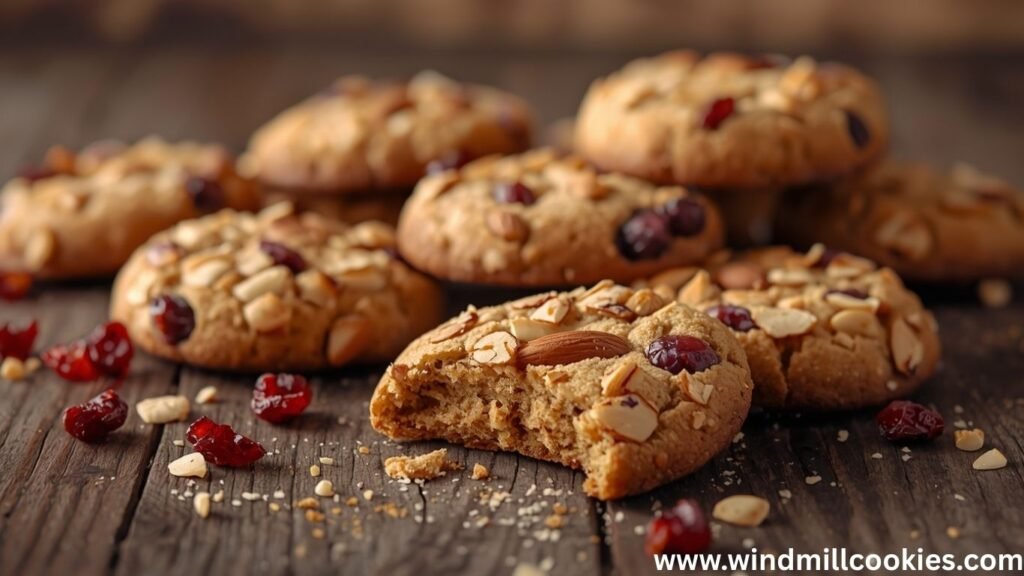
- Sliced Almonds – 1 cup (100g): Provides the classic nutty crunch. Substitute with hazelnuts or pecans for variety.
- Butter – 4 tablespoons (55g): Unsalted is best. Use vegan butter for a dairy-free option.
- Brown Sugar – ½ cup (100g): Adds a deep caramel flavor. Coconut sugar works as a substitute.
- Honey – 2 tablespoons (40g): Binds ingredients and adds a floral sweetness. Maple syrup can replace honey for a vegan version.
- All-Purpose Flour – 2 tablespoons (15g): Helps the cookies hold their shape. Use gluten-free flour blend if needed.
- Heavy Cream – 2 tablespoons (30ml): Enhances richness. For dairy-free, use full-fat coconut cream.
- Candied Orange Peel or Cherries – 2 tablespoons (optional): Adds subtle fruity notes. Can be omitted if desired.
- Dark Chocolate – 3 oz (85g): For coating. Use dairy-free chocolate for a vegan adaptation.
These simple ingredients come together to create the signature crisp and glossy Florentine cookie you’ll adore.
Step-by-Step Instructions
Prepare Ingredients
Start by gathering all ingredients to ensure smooth baking. Measure sliced almonds – 1 cup (100g) and lightly toast them in a dry skillet for 3–4 minutes to unlock their nutty aroma.
Chop candied orange peel or cherries – 2 tablespoons finely for even distribution. Melt butter – 4 tablespoons (55g) gently, then combine with brown sugar – ½ cup (100g) and honey – 2 tablespoons (40g) for a glossy caramel base.
Measure all-purpose flour – 2 tablespoons (15g) and heavy cream – 2 tablespoons (30ml); set aside. Prepare dark chocolate – 3 oz (85g) for later coating.
Having all ingredients ready ensures precise mixing, even baking, and perfect lacy florentine cookies every time.
Toast Nuts
Start with sliced almonds – 1 cup (100g) for the classic florentine crunch. Heat a dry skillet over medium heat and add the almonds in a single layer.
Toast gently for 3–4 minutes, stirring constantly to prevent burning. Watch closely—the nuts should turn golden and release a fragrant, nutty aroma. This step enhances flavor and adds depth to your cookies.
Remove immediately from the heat and transfer to a cool plate to stop cooking. For variations, try hazelnuts or pistachios using the same method.
Properly toasted nuts create a crisp, caramelized texture, ensuring every florentine melts perfectly in your mouth with rich, nutty notes.
Make the Caramel Mixture
In a small saucepan, combine butter – 4 tablespoons (55g), brown sugar – ½ cup (100g), and honey – 2 tablespoons (40g) over medium heat.
Stir constantly to melt the sugar and butter together, forming a smooth, glossy caramel. Allow it to bubble lightly for 2–3 minutes until slightly thickened.
Remove from heat and stir in heavy cream – 2 tablespoons (30ml) for a rich, velvety texture. This luscious mixture binds the nuts and fruit perfectly, creating the signature golden, lacy florentine.
Use immediately while warm. Precision and timing are key; overcooking can darken flavor, and undercooking affects texture. Mastering this step ensures perfectly caramelized, irresistible cookies every time.
Combine Nuts and Fruit
In a mixing bowl, add toasted sliced almonds – 1 cup (100g) and finely chopped candied orange peel or cherries – 2 tablespoons.
Sprinkle all-purpose flour – 2 tablespoons (15g) evenly over the nuts to ensure stability. Pour the warm caramel mixture over the nut and fruit blend, stirring gently but thoroughly to coat every piece. Use a silicone spatula to scrape the bowl edges, making sure no sticky caramel remains.
The mixture should be glossy, well-bound, and slightly thick. Proper blending ensures even baking and a perfect lacy Florentine texture.
Immediate transfer to the baking sheet prevents caramel from hardening prematurely and guarantees crisp, golden cookies.
Shape Cookies
Line a baking sheet with parchment paper to prevent sticking. Using a teaspoon, scoop the nut and caramel mixture onto the sheet, spacing mounds about 2 inches apart to allow spreading.
Gently press each mound with the back of the spoon to flatten slightly, creating thin, even discs. Ensure each cookie is uniform in size for consistent baking and crisp edges. Work quickly, caramel hardens as it cools.
For precise shaping, a small cookie scoop or two spoons work best. Proper spacing and flattening guarantee the signature lacy texture of Florentines. Once shaped, the cookies are ready for the oven, transforming into golden, delicate, irresistible treats.
Bake
Preheat the oven to 350°F (175°C) for perfectly even heat. Place the prepared shaped Florentine cookies on the baking sheet.
Bake for 8–10 minutes, watching closely as edges turn golden and lacy while centers remain slightly soft. Oven temperatures vary, so check after 7 minutes to prevent burning.
Rotate the sheet halfway for uniform color. Avoid overbaking—cookies should be delicate and crisp, not dark brown. Once baked, remove the sheet from the oven and let the cookies cool on the pan for 2–3 minutes to set.
Then transfer to a wire rack. Proper baking ensures signature crisp, caramelized edges and a melt-in-your-mouth texture.
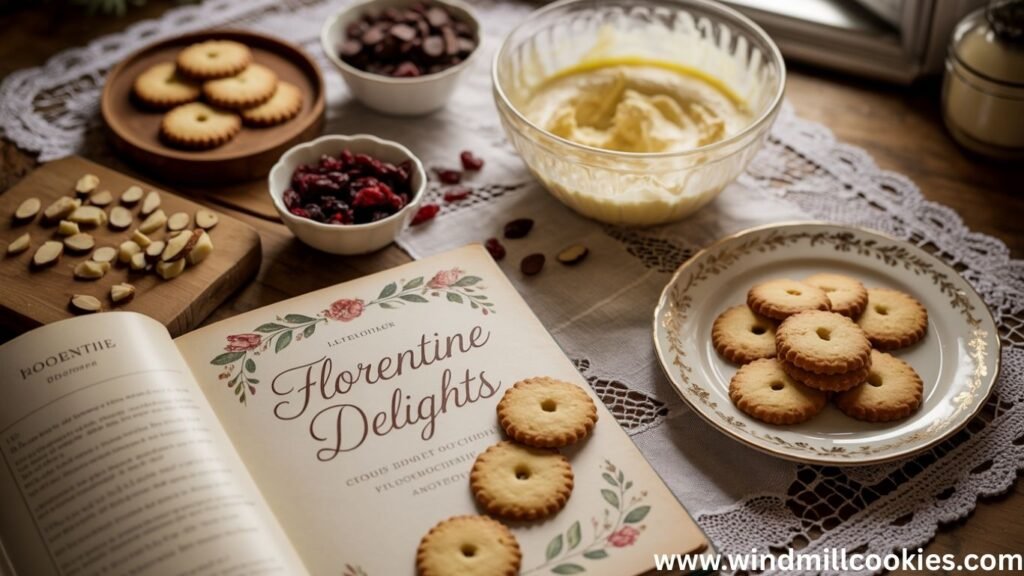
Cool and Chocolate Coat
Allow baked florentine cookies to cool completely on a wire rack to set the delicate structure. Meanwhile, melt dark chocolate – 3 oz (85g) slowly in a microwave or double boiler until smooth and glossy.
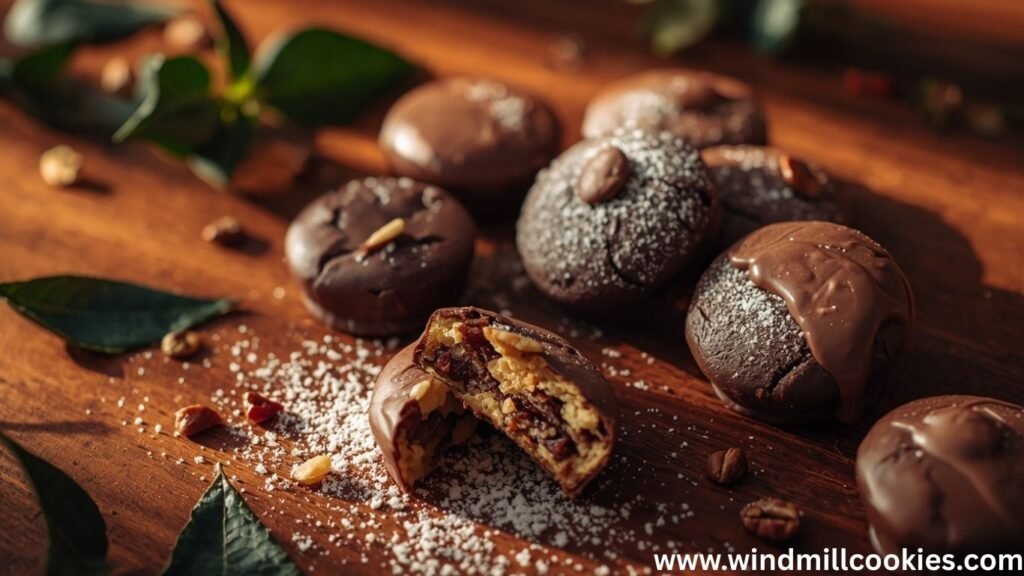
Flip each cookie carefully and spread or dip the bottom with melted chocolate using a small spatula or fork. Place the chocolate-coated side down on parchment paper.
Let the chocolate set at room temperature or in the fridge for faster results. This step adds rich flavor, a silky finish, and elegant presentation.
Proper cooling before chocolate ensures crisp cookies without melting or sticking, creating the signature luxurious Florentine every time.
Expert Tips for Best Results
Use sliced almonds – 1 cup (100g) fresh for maximum crunch and flavor. Toast nuts lightly to enhance aroma without burning.
Measure butter – 4 tablespoons (55g), brown sugar – ½ cup (100g), and honey – 2 tablespoons (40g) precisely for a perfect caramel consistency. Spread cookies evenly on parchment, leaving space to achieve signature lacy edges.
Bake at 350°F (175°C), monitoring closely—overbaking darkens flavor. Cool completely before adding dark chocolate – 3 oz (85g) to prevent melting.
Store in an airtight container at room temperature or in the fridge to maintain crispness. Avoid stirring caramel aggressively to prevent crystallization.
Following these tips ensures golden, delicate Florentines with irresistible nutty sweetness every time.
- Uniform Size: Use a small cookie scoop for consistent cookies that bake evenly.
- Watch Closely: Florentines can burn quickly; edges turn golden faster than centers.
- No Sticky Mess: Use silicone baking mats for easy cleanup and even heat distribution.
- Chocolate Finish: Tempering chocolate isn’t necessary, but melting slowly over low heat prevents seizing.
- Storage: Keep in an airtight container; chocolate-coated florentines are best stored in a cool, dry place to prevent melting.

Variations & Substitutions
Swap sliced almonds – 1 cup (100g) with hazelnuts, pistachios, or walnuts for a unique nutty flavor. Replace butter – 4 tablespoons (55g) with vegan butter and honey – 2 tablespoons (40g) with maple syrup for a vegan-friendly version.
Use all-purpose flour – 2 tablespoons (15g) gluten-free blend to make cookies gluten-free without losing texture. Add dried cranberries, apricots, or cherries for fruity twists.
Experiment with spices—½ teaspoon cinnamon or cardamom elevates flavor. Swap dark chocolate – 3 oz (85g) with milk or white chocolate for different finishes.
These substitutions let you personalize your Florentine cookies while keeping the signature crisp, golden edges and irresistible caramel-nut flavor intact.
- Nut Alternatives: Swap almonds for hazelnuts, pistachios, or walnuts.
- Vegan Option: Replace butter with vegan butter, cream with coconut cream, and honey with maple syrup.
- Fruit Additions: Dried cranberries, cherries, or apricots pair beautifully with the nuts.
- Spices: Add ½ teaspoon cinnamon or cardamom for a warm flavor twist.
Storage & Make-Ahead Instructions
- Room Temperature: Store in an airtight container for up to 1 week.
- Refrigeration: Keeps cookies fresh for 2–3 weeks; chocolate remains firm.
- Freezing: Layer cookies with parchment paper in an airtight container and freeze up to 3 months. Thaw at room temperature before serving.
Frequently Asked Questions (FAQ)
Can I make Florentine cookies gluten-free?
Yes, replace all-purpose flour with a gluten-free blend. The cookies maintain their crisp texture.
How do I prevent Florentines from sticking to the baking sheet?
Use parchment paper or a silicone baking mat. Avoid greasing, as it can affect the lacy texture.
Can I skip the chocolate coating?
Absolutely! The cookies are delicious on their own, but chocolate adds richness and elegance.
Can I use other nuts besides almonds?
Yes, pistachios, hazelnuts, or pecans work beautifully and offer unique flavors.
How thin should I spread the batter?
Drop small mounds and flatten lightly—they will spread further in the oven. Thin cookies yield a crisp texture.
Can I make these cookies ahead of time for the holidays?
Yes, they store well at room temperature, in the fridge, or even frozen for later.
Why did my florentines crack or burn?
This usually happens if the oven is too hot or the cookies are too close together. Bake at 350°F (175°C) and monitor closely.
Final Thoughts / Serving Suggestions
These Florentine cookies are a stunning addition to any cookie platter or dessert tray. Serve alongside coffee, tea, or a glass of dessert wine.
Their elegance makes them perfect for holidays, birthdays, or thoughtful homemade gifts. I encourage you to experiment with nuts, fruits, and spices until you find your perfect combination.
Once you’ve made these cookies, you’ll see why Florentines are treasured in Italian baking. They’re a delicate balance of crisp, caramel, nutty goodness, and chocolate bliss.
Give this recipe a try, and watch them disappear faster than you can say “delicious.”