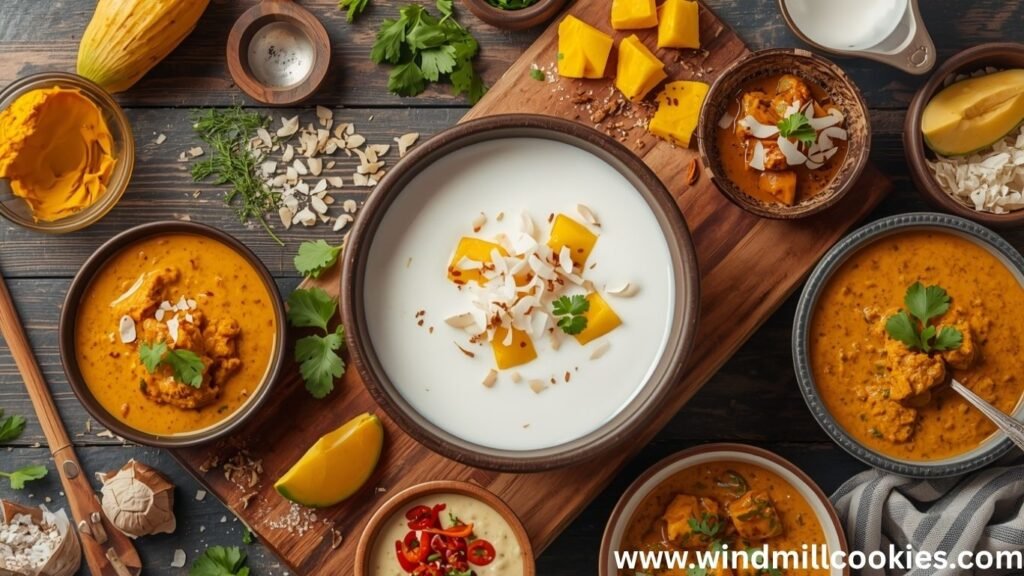
The first time I cooked with coconut milk, it completely changed how I approached everyday meals.
Within minutes, the aroma filled the room, rich, comforting, and irresistible. Since then, I’ve fallen in love with creating recipes with coconut milk that are both indulgent and nourishing.
I remember standing in my kitchen, experimenting with a simple curry, unsure how that creamy, slightly sweet liquid would transform the dish.
Whether you’re making a cozy weeknight dinner, a dairy-free dessert, or a refreshing drink, coconut milk adds a silky texture and depth of flavor that’s hard to beat.
In this guide, I’ll walk you through one of my favorite versatile coconut milk recipes, along with tips, variations, and everything you need to master it.
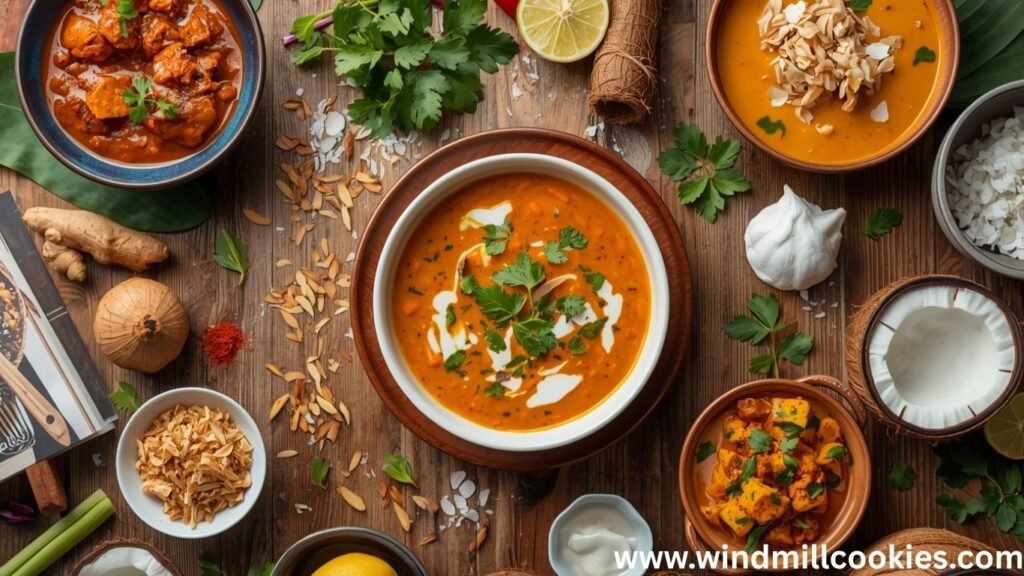
What are recipes with Coconut Milk?
When we talk about recipes with coconut milk, we’re referring to a wide range of dishes from savory curries and soups to desserts and beverages where coconut milk is a key ingredient.
Coconut milk is made by blending grated coconut flesh with water and straining it to create a rich, creamy liquid. It’s widely used in Southeast Asian, Caribbean, and Indian cuisines.
What makes it unique is its ability to replace dairy while still delivering a luxurious texture. Unlike regular milk, coconut milk has a natural sweetness and a subtle nutty flavor, making it perfect for both sweet and savory dishes.
Why You’ll Love This Recipe
- Rich and creamy texture without dairy
- Naturally vegan and gluten-free
- Quick and easy to prepare in under 30 minutes
- Packed with flavor from simple ingredients
- Versatile for lunch, dinner, or meal prep
- Budget-friendly and accessible ingredients
Ingredients Overview
Here’s what you’ll need to create a simple coconut milk curry base that can be customized into many dishes:
- Coconut milk (400 ml / 1 can): The star ingredient for creaminess
- Chicken or chickpeas (300 grams): Protein base (use chickpeas for vegan option)
- Onion (1 medium, finely chopped): Adds depth of flavor
- Garlic (3 cloves, minced): Aromatic base
- Ginger (1 tablespoon, grated): Warm, spicy note
- Curry powder (1 tablespoon): Core spice blend
- Turmeric (½ teaspoon): Color and earthiness
- Tomato paste (2 tablespoons): Adds richness and a slight tang
- Vegetable or chicken broth (1 cup): Balances thickness
- Olive oil (2 tablespoons): For sautéing
- Salt (1 teaspoon, adjust to taste): Enhances flavor
- Black pepper (½ teaspoon): Mild heat
- Fresh spinach (1 cup): Optional, for added nutrition
- Lime juice (1 tablespoon): Brightens the dish
Substitutions:
- Use tofu instead of chicken for a vegan coconut curry
- Swap spinach with kale or bell peppers
- Replace curry powder with Thai red curry paste for a different flavor profile.
Step-by-Step Instructions
Prepare the Base
Heat 2 tablespoons olive oil in a wide pan over medium heat. Add 1 finely chopped onion and cook for 3–4 minutes until soft and glossy. This step builds a bold flavor foundation.
Stir in 3 minced garlic cloves and 1 tablespoon grated ginger. Cook for 60 seconds until fragrant and rich. Add 1 tablespoon curry powder and ½ teaspoon turmeric, letting the spices bloom for maximum depth.
Mix in 2 tablespoons of tomato paste and cook briefly to intensify the taste. Pour in 400 ml of coconut milk and 1 cup of broth. Stir until smooth, creamy, and perfectly blended.
Build the Flavor
Add 300 grams of chicken or chickpeas into the hot base. Stir well to coat every piece in the rich, spiced mixture. Cook for 5–7 minutes until lightly golden and infused with flavor.
Sprinkle 1 teaspoon salt and ½ teaspoon black pepper. This step sharpens the taste and balances the creamy coconut milk. For extra depth, add ½ teaspoon cumin or paprika.
Pour in a small splash of broth if needed to keep it smooth. Let everything cook gently, allowing spices to fully develop. The aroma should turn bold, warm, and deeply inviting.
Add Protein
Add 300 grams of chicken, tofu, or chickpeas into the simmering sauce. Stir gently to coat each piece in the creamy coconut base. This step locks in bold flavor fast.
Cook chicken for 6–8 minutes until tender and fully done. If using tofu, pan-fry 300 grams of cubes first for a golden crust, then fold into the sauce. Chickpeas need only 4–5 minutes to heat through.
Season with 1 teaspoon salt and adjust as needed. Let the protein absorb the rich spices and silky texture. The result should be juicy, deeply infused, and irresistibly satisfying.
Create the Sauce
Pour in 400 ml of coconut milk and 1 cup of broth into the pan. Stir slowly to combine with the spiced base. The mixture should turn smooth, rich, and silky.
Add 2 tablespoons of tomato paste for depth and color. Mix well until fully dissolved. Let the sauce come to a gentle simmer, not a boil.
Sprinkle ½ teaspoon turmeric and adjust salt if needed. This enhances color and boosts flavor. Cook for 8–10 minutes, stirring occasionally, until slightly thickened. The sauce should look creamy, glossy, and perfectly balanced.
Simmer and Thicken
Reduce the heat to low and let the curry gently simmer for 10–15 minutes. This slow cooking step deepens flavor and creates a rich, velvety texture.
Stir occasionally to prevent sticking. If the sauce feels too thick, add 2–3 tablespoons of broth to loosen it. For extra creaminess, stir in 2 tablespoons of coconut milk near the end.
Watch the consistency closely. The sauce should coat the back of a spoon smoothly, be glossy, and perfectly balanced. Avoid high heat, as it can split the coconut milk. Patience here delivers bold, restaurant-quality results.
Add Greens and Finish
Add 1 cup of fresh spinach to the simmering curry. Stir gently and cook for 2–3 minutes until wilted and vibrant. This adds freshness and a light, healthy touch.
Pour in 1 tablespoon lime juice to brighten the rich coconut flavor. Taste and adjust with ½ teaspoon salt if needed. For extra depth, add a pinch of black pepper.
Finish with 1 tablespoon chopped cilantro for a burst of color and aroma. The final dish should be creamy, balanced, and full of bold flavor. Serve immediately for the best taste and texture.
Serve
Spoon the hot coconut curry over 2 cups steamed basmati rice or fluffy jasmine rice. The grains soak up the rich, creamy sauce perfectly.
Add a side of 2 warm naan or flatbread for dipping. This makes every bite more satisfying and complete. For a lighter option, serve with 1 cup of cauliflower rice.
Top with 1 tablespoon fresh cilantro and a squeeze of lime for a bright finish. You can also add sliced chili for heat.
Serve immediately while warm. The texture should be silky, bold, and deeply comforting. Perfect for dinner or sharing.
Expert Tips for Best Results
Use 400 ml full-fat coconut milk for an ultra-creamy texture. Light versions reduce richness and flavor depth.
Always cook on medium-low heat. High heat can split the coconut milk and ruin the silky finish. Stir gently for a smooth, glossy sauce.
Balance flavor with 1 tablespoon lime juice and proper salt levels. This lifts the dish and prevents a dull taste. For thicker curry, simmer 10–15 minutes uncovered. If too thick, add 2–3 tablespoons of broth to adjust.
Rest the curry for 5 minutes before serving. This helps flavors settle and intensify for a bold, restaurant-quality result.
Variations & Substitutions
Swap 300 grams of chicken with 300 grams of shrimp for a fast, juicy seafood twist. Cook only 4–5 minutes to keep it tender.
Use 300 grams of tofu or 1½ cups of chickpeas for a vegan version. This keeps it hearty, protein-rich, and fully dairy-free.
Add 1 cup mixed vegetables like carrots, peas, or bell peppers for extra texture and color. It boosts nutrition instantly. For more heat, mix in 1 teaspoon chili flakes or fresh green chili. This creates a bold, spicy kick.
Prefer a sweet balance? Add 1 teaspoon of honey or maple syrup. It enhances the creamy coconut flavor beautifully.
Storage & Make-Ahead Instructions
- Room Temperature: This dish can sit out for up to 2 hours safely.
- Refrigeration: Store in an airtight container in the fridge for up to 4 days. The flavors actually deepen over time, making it even more delicious.
- Freezing: Freeze for up to 2 months. Use freezer-safe containers and leave space for expansion.
- Reheating Tips: Reheat gently on the stove over low heat. Add a splash of water or broth to restore the creamy consistency.

Frequently Asked Questions (FAQ)
What can I make with coconut milk besides curry?
You can make soups, smoothies, desserts, rice dishes, and even dairy-free sauces. Coconut milk is incredibly versatile.
Can I use coconut milk as a dairy substitute?
Yes, coconut milk is one of the best dairy-free alternatives. It works well in both cooking and baking.
How do I thicken coconut milk curry?
Simmer it longer uncovered or add a slurry of cornstarch (1 teaspoon cornstarch + 1 tablespoon water).
Is coconut milk healthy?
In moderation, yes. It contains healthy fats and nutrients, but it’s also calorie-dense, so portion control is key.
Can I use light coconut milk?
You can, but the dish will be less creamy. Full-fat coconut milk gives the best results.
Why did my coconut milk separate?
High heat can cause separation. Always cook on medium to low heat and stir gently.
What spices go best with coconut milk?
Curry powder, turmeric, cumin, coriander, and chili all pair beautifully with coconut milk.
Final Thoughts / Serving Suggestions
If you’re looking to expand your cooking repertoire, recipes with coconut milk are a fantastic place to start. They’re comforting, adaptable, and packed with flavor.
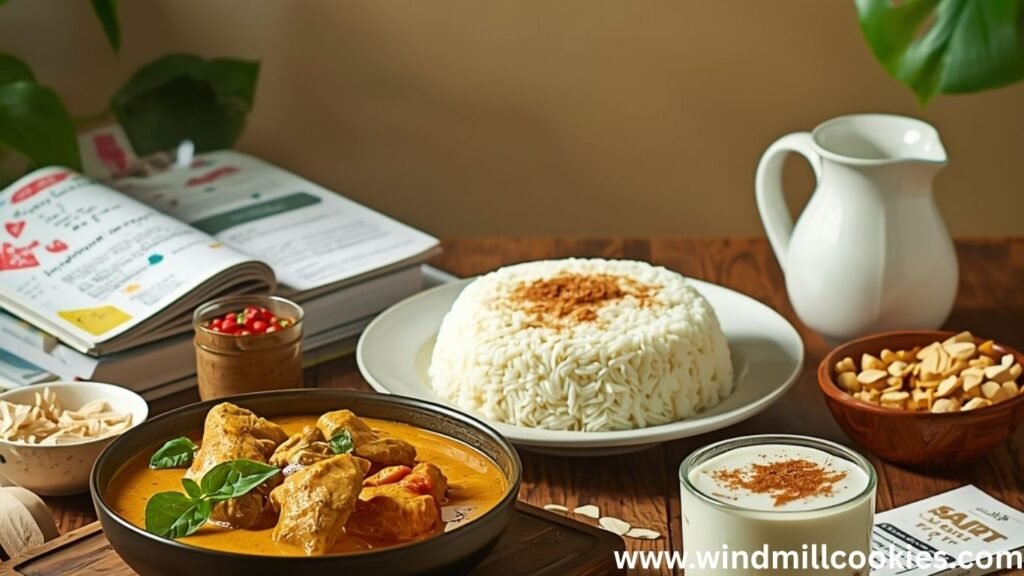
I love serving this coconut milk curry over steamed basmati rice with a side of warm naan. It’s perfect for weeknight dinners, meal prep, or even casual gatherings with friends.
You can also pair it with a fresh cucumber salad or a squeeze of extra lime for brightness. However you serve it, this dish is guaranteed to impress while being incredibly simple to prepare.